Join us Dec. 1-3 in Nashville for the Digiday Programmatic Marketing Summit
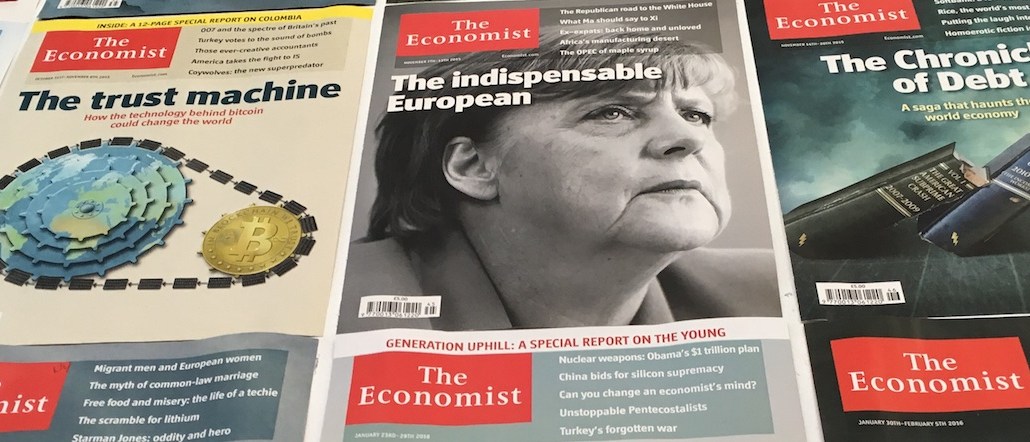
The Economist’s lifestyle and culture title is getting a global makeover.
Next week, The Economist will relaunch its high-end magazine, Intelligent Life, with a new name, look and feel. The title plans to broaden and enhance its coverage beyond Europe to include America and Asia and will include profiles of headline-makers from The Economist, a fashion shoot in every issue and in-depth travel narratives. 1843, named for the year The Economist was founded, is the work of Nick Blunden, global managing director at The Economist.
“Luxury clients are still interested in Europe, but the luxury sector has gone entirely global now,” said Blunden, who joined The Economist Group in 2011 to build out the publisher’s main brand digital strategy. “Reinventing the digital path led to reinventing the business as a whole.”
The launch issue hits newsstands on March 9 with an April/May cover, and will have 120 pages. The redesigned site will go live, without a paywall, on March 7, the same day that the social accounts and the app will revert from Intelligent Life to 1843. 1843 will, like Intelligent Life before it, publish six issues a year with a newsstand price of £6.95 ($10), or an annual subscription of £24 ($33).
Newly appointed editor Emma Duncan has come on board from The Economist where she was deputy editor. At 1843, she leads a team of 25 across editorial and commercial, and also can pull on the wider global Economist team.
The Economist hopes 1843 will expose new audience to its content on the Oscars, fashion, entertainment, style and travel. The launch issue will feature an investigation into the arms race within the Chinese elite to get their offspring into the top global universities, and a profile of French politician Marine Le Pen.
Because there is no paywall, 1843 will have to rely more heavily on advertising for revenue. Blunden said the first issue of 1843 has already earned four times as much ad revenue as the final issue of Intelligent Life. But without knowing this base line, there’s no real way to know how much this is. Blunden couldn’t disclose which advertisers will be featured in 1843, but Intelligent Life’s previous clients include Rolex, Tiffany & Co., Tag Heuer and Chanel.
All the display ads on 1843 will be in-stream formats that can be customized, a departure from Intelligent Life’s current site. It will also create more commercial opportunities for brand partners to create content in partnership with the editorial team, particularly around video.
“It is a tough advertising environment, but the area where it’s slightly more optimistic right now is in the luxury space,” Blunden said. “This is because the luxury advertiser embraces, rather than replaces, money from digital and print. They talk to us about integrated approaches rather than substitution.”
“The question is whether there’s enough room in the market for them to grow,” said Ian Whittaker, head of European media research at Liberum Capital, who points out it will be competing with the Financial Times and Monocle for ad dollars. Whittaker also raised questions about whether the name signals enough of a connection with The Economist, which could lead to confusion from readers.
Images courtesy of The Economist.


More in Media
Creators say it’s difficult to make money from news — with platform rules and brand guidelines
With more people getting news from creators than traditional media, those creators are still trying to build sustainable businesses.

Why CNN International is building for agentic ad market that barely exists yet
CNN International is still chasing its first agent-sold dollar by Q1.

Media Briefing: The transatlantic push to rein in stealth bots is gathering pace
U.S. and U.K. publishers are pushing for laws to crack down on stealth AI crawlers as bot scraping surges and demands for transparency grow.