Join us Dec. 1-3 in Nashville for the Digiday Programmatic Marketing Summit
Frank DeVito, president and Chief Operating Officer, XR Pay
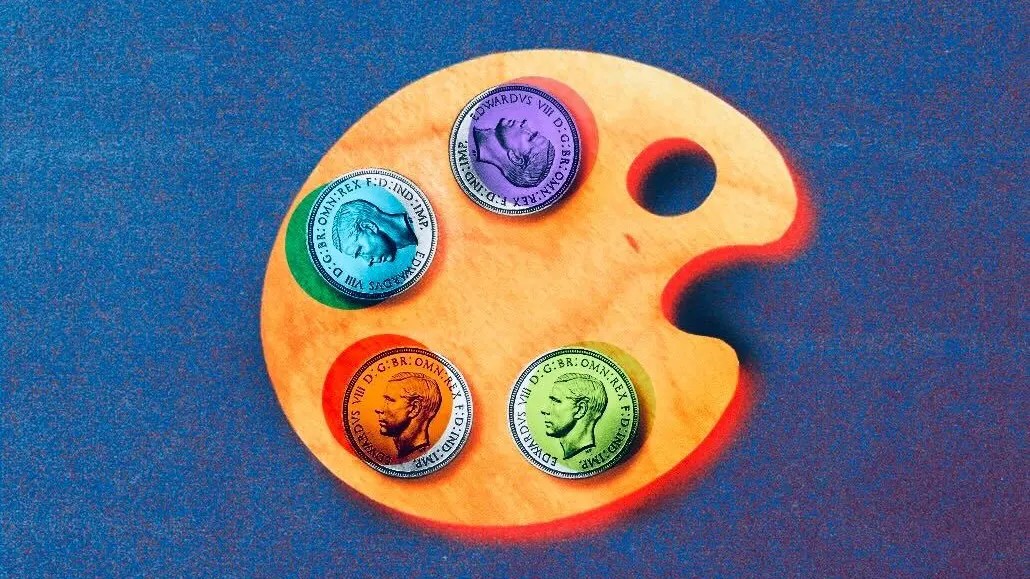
Brands and agencies are spending more money than ever on featuring famous faces in advertising, with creators commanding bigger roles and paydays. But the creator economy’s next challenge isn’t finding new talent or making more content. It’s simplifying the business of paying creators.
Celebrity pay in advertising is at an all-time high, with payments in the United States projected to reach $2.06 billion in 2026, up nearly 70% over the last five or six years, according to XR Extreme Reach data. Famous faces are appearing in more campaigns across more categories than ever, and the rules of celebrity endorsements are being rewritten. Stars are increasingly signing deals with multiple brands simultaneously, a practice once considered off-limits.
The definition of celebrity is changing too. Social media stars and digital creators are moving into territory once reserved for Hollywood talent, becoming trusted faces for major brands and bringing a new kind of influence and star power to social posts and traditional TV advertising.
While creator advertising has become big business, the systems used to pay the people behind it haven’t kept up. The industry has scaled along with the dollars; the payment infrastructure hasn’t.
The creator economy’s payment infrastructure gap
Paying celebrity talent has never been as simple as cutting a check. Union rules, taxes, agents, pension contributions and multimillion-dollar upfront guarantees demand precise infrastructure. Hollywood spent decades building systems to handle that for actors, but creator payment infrastructure hasn’t kept pace.
Despite the creator economy’s explosive growth, payments are still handled through a patchwork of spreadsheets, manual processes and apps like Venmo and Cash App. Brands and agencies often juggle four or five platforms to manage a single creator campaign, making it harder for accounts payable teams to track payments and maintain oversight. That creates opportunities for missed payments, missing paperwork and compliance problems.
While creator platforms excel at finding talent, most weren’t built to pay creators. The work of onboarding, tax verification and payment processing still falls to a long list of third-party vendors. In the worst-case scenario, a brand or agency has to decide how to manage the process itself.
For creators, the consequences are real. Unclear payment terms create confusion, and late payments are more than an accounting headache.
Why creators deserve a professional payment experience
If creators are the new celebrities in advertising, brands and agencies should handle their payments accordingly. Hollywood learned how to manage professional talent payments decades ago. The creator economy doesn’t have to reinvent the wheel, but it does need the right infrastructure.
First, fewer platforms mean fewer problems. Having a unified system for onboarding, tax verification, payments and rights tracking eliminates unnecessary handoffs and reduces errors. It also pays creators faster.
Second, compliance isn’t optional. Identity verification, taxes and usage rights aren’t administrative tasks. They’re essential to doing business.
Third, creators deserve a better payment experience. They shouldn’t have to navigate multiple logins, forms or unclear payment processes. Creator platforms should allow creators to set up a profile once, reuse it across participating brands and campaigns, and track projects, payments and income all in one place.
Four questions brands and agencies should ask now
Creator budgets are booming, and payment operations need to catch up quickly. Brands and agencies should ask themselves four simple questions now:
- How many platforms does it take to pay one creator? If a spreadsheet is needed to keep track of platforms, that’s a problem.
- Who is handling compliance? Finding talent is the easy part. Taxes, identity verification and correctly paying creators aren’t.
- Are payments and usage rights connected? As creator content grows across channels and countries, knowing what content has been paid for and where it can be used matters.
- Would brands and agencies want to be paid similarly? Endless forms, multiple logins and a lack of payment clarity make for a poor experience.
The creator economy is big business, and it’s time for brands and agencies to stop treating talent payments as an informal arrangement. The future of creator marketing deserves better than spreadsheets and ad hoc payments. It deserves a Hollywood-grade payment experience.
Partner insights from XR Extreme Reach


More from Digiday

The Times of London is gearing up to test ‘macro payments’
The Times has a plan for readers who don’t want to subscribe.

Why the 2026 midterms could mark a turning point for influencers in political campaigns
See how campaigns are recruiting creators for 2026 midterms as disclosure rules lag and voter trust becomes the real battleground.
Retailers are still figuring out how to tie AI goals to executive compensation
AI is starting to show up more in conversations around executive incentive plans. But those conversations are still largely relegated to the tech industry. Here’s why it’s still an anomaly in retail.