Join us Dec. 1-3 in Nashville for the Digiday Programmatic Marketing Summit
What exactly counts as a creator? The industry still can’t agree
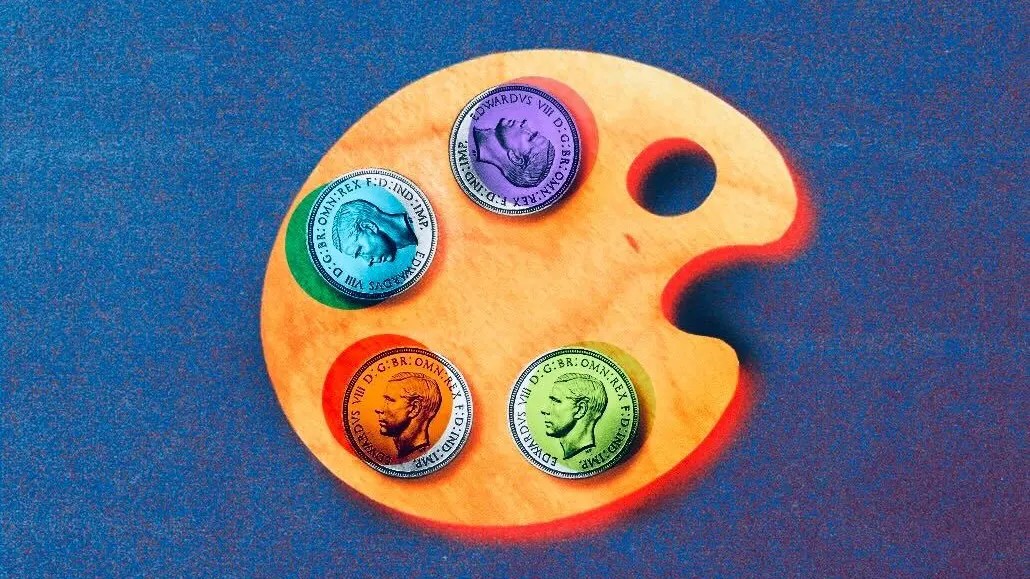
Every brand seems to have different definitions when it comes to the creator economy. What one brand calls a tastemaker, another labels an influencer. If marketers can’t agree on creator taxonomy, standardization — on everything from measurement to cost — may remain further away than the industry would like.
Since the ballooning of the creator economy, marketers have been trying to standardize everything from what counts as a view, brand-creator contractual language and the framework for deal fee structures. According to the IAB’s latest creator economy report, at least 23% of marketers say the industry would benefit from a unified creator taxonomy.
“That’s the blurry line. Who’s a mega influencer and who’s a celebrity? I don’t know anymore,” said Mindy Murray, director of influencer and content at General Mills.
General Mills’ approach to creator definitions is nuanced. The highest tier is celebrity status, where partnerships often go beyond social and into product design and formula. Mega creators are positioned just below celebrity partnerships. Mid creators range from 500,000 to 1.5 million social media followers. There are super fans or brand advocates who are dedicated creators who are positing consistently on behalf of the brand. Finally, there’s friends and family, which is General Mills’ organic influencer group who also act as brand advocates.
Shutterfly has a three-tier creator codification. Tastemakers are social media stars with one million or more followers. They’re handpicked for major campaigns. Content creators fall on the other end of the spectrum, having anywhere from a couple hundred to more than 2,000 social media followers. Influencers fall somewhere in between, Callie Worthington, vp of brand marketing and creative at Shutterfly, told Digiday.
Shutterfly doesn’t have an internal pay scale that relates to its codification system. It is expected, however, that bigger creators (which could be tastemakers and influencers) command bigger budgets.
Rothy’s shoe brand also uses the term tastemakers. However, Rothy’s creator classifications are defined less by follower count and more by their cultural relevance, said Anna Doré, vp of brand and communications at Rothy’s. A tastemaker could be a TikTok star or a Substack writer. In comparison, Rothy’s refers to affiliate creators as “the lower funnel crater and conversion types,” Doré said.
Meanwhile, agencies don’t seem to go by the same guidelines. For example, VML organizes creators by their role in a campaign — salespeople, brand ambassadors, product collaborators, etc. The taxonomy isn’t as strict, Noah Eisemann, global executive director of creator and influencer at VML, told Digiday.
“Every influencer is a creator, but not every creator is an influencer,” Eisemann said.
The creator economy has exploded to where creators aren’t just selling products on behalf of brands. They’ve been hired as actors in Super Bowl spots. They’ve been brought on as product collaborators. Some are acting as creative agencies helping brands ideate and execute creative campaigns. Kim Kardashian is as much a content creator as she is an influencer, depending on what the brand asks of her, he added.
“The more useful standard may be a shared way of defining the role a creator is playing in a particular strategy — because that’s ultimately what should determine how we value the partnership and what success looks like,” Eisemann said.
A brand’s tiering setup influences how creators are evaluated, how their impact is measured and how they’re utilized in campaigns.
“When expectations, budgets, and measurement rely on different assumptions, effective work can be undervalued, and investment becomes harder to justify or sustain,” said Stefani Stamatiou, CEO of Americas at HYDP creator marketing agency.
But across the industry, there’s no conventional naming system. (Even Digiday staffers couldn’t agree on what defines a creator versus influencer.) And as more money pours into the creator economy, marketers are expecting measurement and business outcomes.
“Greater clarity around inputs and expected outcomes would make it easier to set goals, allocate budgets, and define the role creators play within the broader advertising landscape,” Stamatiou said.


More in Marketing

Substack job listing hints at a bigger advertising push in 2027
A new product manager role will explore ad-related monetization, suggesting the platform could make ads a bigger part of its business.

Deloitte Digital takes the holdco operating system pitch straight to the CEO
CEOs have never cared much for holdcos. Enterprise solutions, on the other hand, get a meeting.
D+ Research: Marketers express revenue optimism for 2026 holiday season despite economic pressures
Marketers expect their 2026 holiday revenue to increase 1% to 31% or more in comparison to their 2025 holiday revenue.