Join us Dec. 1-3 in Nashville for the Digiday Programmatic Marketing Summit

Talk to any agency, brand or publisher about what they’re paying attention to, and within five minutes, you’ll hear one (or all) of these terms: “native advertising,” “sponsored content,” “branded content,” “content marketing,” and “custom content.”
The problem is that those terms mean something different to everyone. The media tends to use the terms interchangeably. (Even the New York Times gets tripped up in defining these tactics.) Here’s an attempt to clarify what’s what. Please add your thoughts in the comments.
Native Advertising:
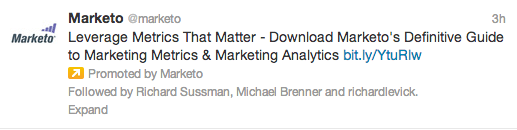
When an ad unit can only be bought and displayed on one platform. Think Facebook’s Sponsored Stories; Twitter’s Promoted Tweets; Tumblr’s Radar. These ad units are unique to those environments.
Sponsored Content:
When a brand pays a publisher to have its name and/or message associated with a particular story. This typically takes the form of a brief intro paragraph informing readers that the following article is sponsored by an advertiser. You’ll see phrases like “brought to you by,” “presented by,” or “sponsored by.” This is not content produced by the brand. The marketer is given a broad topic area that it can choose to associate its brand with. The marketer does not get a say in what will be produced, at least not in the type of sponsored content programs run by sites like Mashable, Business Insider and Digiday.
Advertising Content:
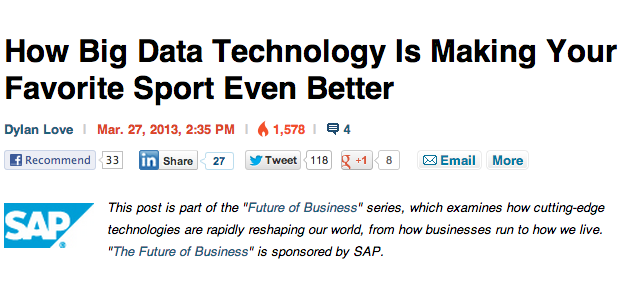
This is often labeled sponsored content or custom content. But it is really advertising in another form. The term “advertising content” can make this clear. It is advertising at the end of the day. What’s different about it is this advertising comes in the form of content, not display advertising. Think of BuzzFeed’s listicles and Forbes’ BrandVoice posts.
Brand Content
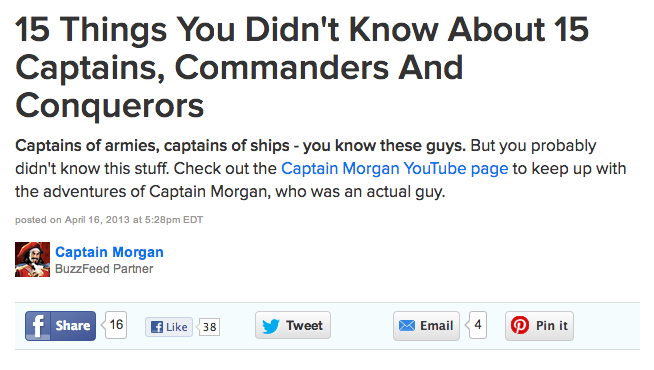
We have heard ad nauseam that brands are publishers now. What they produce, on their own and running through their own distribution channels, is brand content. Think of Red Bull’s YouTube channel. The video below is content created by the energy drink brand that blurs the lines between advertising and entertainment.
Content Marketing:
This is the catchall phrase that encompasses all of the above. On a most basic level, it means “not banner ads.” It conveys the strategic shift occurring at many brands that are thinking of ways to sell their wares and services beyond the hard sell. These efforts involve creating content and experiences people want to consume, while at the same time conveying a brand message. For a brand like Red Bull, that means hair-raising stunts and action-sports content; for American Express, it is producing tools and content useful and needed by small-business owners.
Image via Shutterstock


More in Media
The Hill adds interactive election tools to subscription offering ahead of the midterms
The Hill is betting on interactive subscriber-only features to help grow its new subscription business ahead of the 2026 midterms.

The Daily Mail tests GEO with brands ahead of AI visibility product
The Daily Mail is running around a dozen GEO tests to work out what works before turning its AI visibility offering into an official product early next year.

Meta delays rollout of updated commercial terms amid publishers’ collective pushback
Meta’s updated commercial terms have galvanized publishers into a coordinated pushback over the company’s use of their content.