Join us Oct. 26-28 in Newport Beach for the Digiday Media Buying Summit
How former college athlete and Airbnb host turned Love Island fame into widespread success
This article is part of an ongoing series examining successful creator business strategies. More from the series →
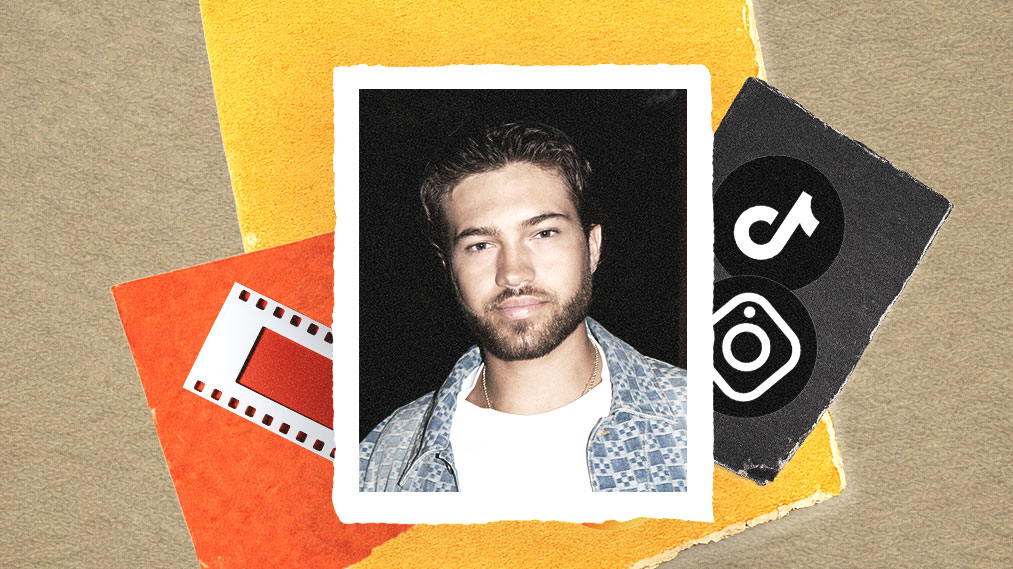
In 2024, college athlete TJ Palma had around 5,000 followers on Instagram and close to 15,000 on TikTok. He amassed a healthy following posting videos of himself playing baseball at University of Tampa and showcasing the daily life as an Airbnb host in Florida. His social media presence drew attention from the Love Island casting department, and in 2025, Palma had a stint on the wildly popular dating show.
“It jumpstarted my social media, and played a huge part in my growth not only as a content creator, but in my property business and in investing in other companies,” Palma told Digiday.
Palma says that, immediately after his time on Love Island, his follower count grew to around 250,000 on Instagram and 500,000 on TikTok. He started posting his real estate content on his main page rather than his secondary account, and told Digiday that he posted every single day after leaving Love Island for several months straight.
He currently has 405,000 followers on Instagram and nearly 900,000 on TikTok (he boasts 7.5% average engagement rate on the latter, roughly double the industry benchmark for accounts of his size). Palma’s real estate business, which he regularly incorporates into content on his main channels, is set to generate $1.2 million this year.
It’s a unique creator situation: Palma built a successful corporate housing and short-term rental business, giving Florida properties a furniture facelift before listing them on sites like Airbnb, Booking.com, and VRBO before his social media presence exploded — now he’s using his content not just for monetization, but as a growth engine for that business.
Palma says that his social media content about his short-term rentals (which can often show the uglier side of owning rental properties, like cleaning up after huge parties or dozens of boxes of home goods piling up) helps his business scale — not only does he get more rentals through his content, but other owners have contacted him asking for advice or suggesting he take over their properties.
“Last February, we did around $35,000 in revenue. This February, we did $156,000,” Palma, who hopes to have 100 rental properties in the next few years, said (he currently has 21).
Despite his real estate success, Palma told Digiday he’s making the most money through channels that opened up to him after his time on Love Island, which amassed 18 billion minutes viewed during his season.
“The content, the brand deals, the investing in companies, the equity, makes up tremendously more than the Airbnb business,” he said, though he declined to share details about his brand deals and investments. Palma, like fellow content creator Griffin Johnson, has parlayed his creator success into investments — companies have approached him due to his notoriety and asked him to get involved.
“It’s a big opportunity that I’ve gotten since becoming a part of the show, I wouldn’t be able to be a part of these companies otherwise,” Palma said. “I just invested in a new drink company where they had a group of content creators and TV personalities come in… I also have equity in a blood test company because of my content.”
This is how creators scale beyond content on platforms: using their online reach to gain access to investment opportunities that would otherwise be out of reach.
“It’s mind-blowing to me, I never thought I’d be interviewed about these things… I feel like there’s a new opportunity every day,” Palma said.


More in Media

Ad industry tallies early losses from Apple’s Safari tracking block
A week after Apple’s Safari block, the ad industry is still waiting for the other shoe to drop.

Welcome to Creator University: Inside the colleges building creator economy programs
As more young folks seek to enter the creator economy, universities are offering classes covering every layer of the still-growing ecosystem.

For some publishers, agentic advertising is still a question of ROI
Despite the hype around agentic media buying, some publishers remain skeptical of its potential to deliver meaningful revenue.