Join us Dec. 1-3 in Nashville for the Digiday Programmatic Marketing Summit
Why creator Lola Torres prefers the stability of affiliate marketing over brand partnerships
This article is part of an ongoing series examining successful creator business strategies. More from the series →
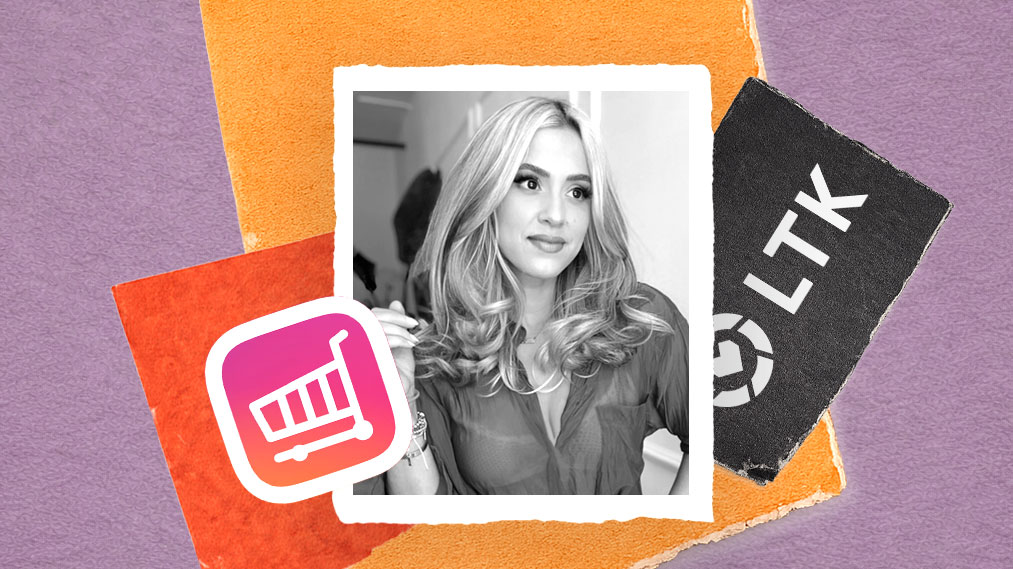
After years of relying on affiliate sales, retailers are rushing to roll out their own creator programs en masse to make creator commerce more measurable, scalable, and controllable. But creator Lola Torres, who won influencer shopping platform LTK’s beauty creator award in 2024, has built her career on affiliate marketing, and she’s sticking with it despite how labor-intensive it is.
Torres started her creator career six years ago, regularly posting her daily outfits that fell under an elevated but affordable price umbrella for women with her body type. At first, she did a lot of free work, but over time, she leaned more into affiliate marketing, focusing her content on a handful of brands and building a following on both LTK and Instagram.
Most creators make the bulk of their money from brand deals, with affiliate links more of a side hustle for them. But Torres has done the opposite: she’s prioritized the steadier drop of affiliate income over the lumpiness of brand deals.
“I started off with strong affiliate marketing from the very beginning, so I never relied on sponsored content or brand partnerships,” Torres told Digiday. “I focused on building my audience and making sure they trusted me and that I was giving them great recommendations.”
Torres said she left her full-time job in 2023, after she made “high five figures” for the year.
“I measure everything by sales, so I need to make a certain amount of money a month in order for me to hit that goal, I need to be making sure I’m putting out a certain amount of content every single week,” said Torres, who did not provide financial specifics. “I need to have my product ordered, I need to make sure that the brands are sending me the product that I need by a certain time. I need to make sure that I shoot the content, edit it, have it linked on the back end, all of that backend work.”
Torres has nearly 540,000 followers on LTK. According to metrics shared with Digiday, she averages 4,000 comments per post, 3,000 link clicks per story, and has generated over 1.3 million clicks in the last two months with a conversion rate of 10.96%. From May 1 to May 19, Amazon made over $775,000 in gross sales from Torres’ LTK content.
Interestingly, Torres has a much bigger audience on Instagram (2 million followers), but said her revenue largely comes from LTK because of how the platform is set up for creator commerce.
“You have really dedicated, loyal shoppers following [on LTK]. They are ready to check out. On Instagram people that like things click, they ask for a link, but they’re not sure if they’re going to check out,” she said.
Over the last six years, Torres has had a front row seat to the influx of retailers’ creator programs and their subsequent growing pains.
“The amount of creator marketplaces I’ve had to sign up with over the years is insane – for them to realize that it’s not working for them,” Torres said. “You don’t want to be going to a million different logins to go find your favorite influencer’s dress that she wore last week. You want to log into one place and find all of her stuff in that one place.”
She finds creator programs to be a tough challenge for creators when it comes to juggling content output, though she understands why brands may want them to be in-house.
“It’s tough for the consumer, for the shopper,” she said. It’s why LTK, which partners with over 8,000 retailers, is still her platform of choice.
Even though Instagram isn’t the platform driving most of her direct sales, Torres has recently leaned into its ad tools, which she says have boosted her overall revenue. Through Meta’s ad offerings, Torres takes her highest-performing content and puts ad spend behind it, pushing it out beyond her 2 million followers – but not before ensuring the products in those videos are in stock. Torres said that has helped turn new viewers into shoppers without her having to make even more content.
Torres posts on LTK three to five times a daily, and several times a week on Instagram. Between prepping, filming and editing content, she’s working between 35-40 hours a week.
“It can drive very strong passive income,” Torres said. “I’ve had months where it’s matching my affiliate income, which is wild.”
As for the brand partnerships, Torres welcomes them, but doesn’t want to rely on them. That may mean more work for her in terms of the sheer volume of content she creates weekly, but she prefers it to what she considers a scarier prospect.
“You have to depend on these brands, and it’s up and down..sometime’s it’s a busy season and they want to hire you right and left, and other times it’s a scary, dangerous, dry season,” she said. “If brands are not knocking on your door, you literally don’t have money. With affiliate marketing as the foundation of my business, thankfully, I don’t have to worry too much about that.”
Torres admitted that the “hustle mindset” of affiliate marketing is a “disadvantage,” as is the fact that she has to be her own boss, set her own deadlines, and initiate her own projects. “I still struggle so much with that, even now,” she said.
She’s looking to launch her own line of products in the future (she did not provide details), which she hopes will ensure she’s working slightly less than she is now.
But despite all of that, Torres prefers affiliate marketing’s stability and control over other creator revenue drivers, and sees herself doing this kind of work well into middle age.
“I offer a lot of solution-based ideas and content to my audience…whether it’s the perfect romper to wear to your kid’s sports game or the perfect graduation outfit, it’s a solution for a woman,” Torres said. “People want to be represented, they want to see a version of themselves in creators. That’s why the space is so beautiful, there’s an audience for absolutely everyone.”


More in Media

The Hill adds interactive election tools to subscription offering ahead of the midterms
The Hill is betting on interactive subscriber-only features to help grow its new subscription business ahead of the 2026 midterms.

The Daily Mail tests GEO with brands ahead of AI visibility product
The Daily Mail is running around a dozen GEO tests to work out what works before turning its AI visibility offering into an official product early next year.

Meta delays rollout of updated commercial terms amid publishers’ collective pushback
Meta’s updated commercial terms have galvanized publishers into a coordinated pushback over the company’s use of their content.