Future of TV Briefing: The creator’s economy’s ‘very loud, dirty little secret’ of brands’ late, delayed payments
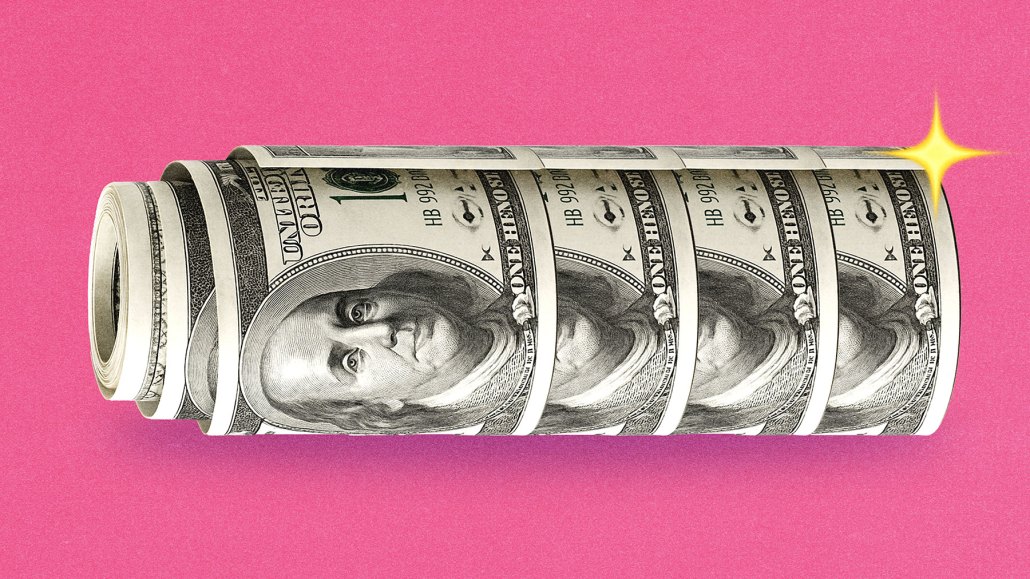
This Future of TV Briefing covers the latest in streaming and TV for Digiday+ members and is distributed over email every Wednesday at 10 a.m. ET. More from the series →
This week’s Future of TV Briefing looks at how lengthening payment windows and late payments from brands continue to roil the creator economy.
- Mo Money Mo Problems
- TikTok’s controversial first days, YouTube’s 2026 priorities, Nielsen’s new math and more
Mo Money Mo Problems
As brands pour more money into creators, some are taking longer to actually hand over that money.
Typically brands agree to pay creators within 30 days after a campaign has gone, according to talent agency executives. However, it’s becoming more common for brands to extend their payment windows to three and even four months post-campaign.
“Net-30 is still the most common, but it’s definitely extending,” said one talent agency executive. “I’m seeing a lot more 60, 45[-day payment windows], or 30 days from the end of the month [as opposed to from the date the campaign went live]. I’ve occasionally seen 90 and 180, but that’s been a little rare. But it’s extending a lot.”
“This is the unfortunate, very loud, dirty little secret in the industry is payment terms. We’re seeing [terms for payment windows of] up to 90 and 120 days after something has gone live. And then you’re lucky if that’s even paid out on time,” said a second talent agency executive.
“I’ve seen 120 days late on some of these things of recent,” said a third talent agency executive.
To be clear, 30 days remains the typical payment window, the execs said. But still any pickup in payment lengths or payment delays is going to alarm creators and their representatives. And it’s not only that payment windows are lengthening, but some brands are still missing their payment deadlines.
“So many brands are paying late, and there isn’t a lot of accountability on brands to not pay late,” said a talent agency executive.
In some cases, the delays stem from brands that are spending on influencer marketing despite struggling to manage their own operating expenses.
“We’ve got two brands right now that have now gone bankrupt within those 60 days, 90 days that we’ve been waiting for payment. Now we’re just not going to get paid, but we’ve done the work,” said one of the talent agency executives.
But there are other instances when reputable brands are taking longer-than-usual to pay creators. One of the talent agency executives said they have been doing multiple deals recently with “a very blue-chip” brand, and that brand has been 120 days late in paying the creators.
Those are recent examples, but this isn’t actually a new issue. Digiday reported on payment problems facing creators two years ago. Business Insider reported on how commonplace late or missed payments were among creators in 2022. The Atlantic published this story on an influencer marketing firm not paying creators in 2018.
That said, there’s more going from brands to creators now than ever. Brands in the U.S. alone are expected to spend $43.9 billion on influencer marketing this year, according to the Interactive Advertising Bureau. In other words, the payment issues may not be new, but the amount of money at stake is getting huge.
“It’s just unsustainable,” said one of the talent agency execs.
What we’ve heard
“What we’re talking about here is a person who creates content that cultivates an audience and then monetizes their influence over that audience. This person is a creator and an influencer. They’re intertwined.”
— Me on the latest Digiday Podcast episode about the difference between creators and influencers
Numbers to know
$1.5 billion: Netflix’s advertising revenue for 2025.
-4%: The year-over-year decline in traditional streaming app downloads in 2025.
<$1 million: The amount Netflix paid Alex Honnold for “Skyscraper Live.”
16%: The share of LLM-generated answers that cited YouTube as a source.
26%: How much of advertisers’ budgets are expected to be spent on programmatic CTV.
$975 million: How much money TikTok creator Khaby Lame will be paid to commercialize his likeness.
What we’ve covered
What is the difference between creators and influencers?:
- “Creator” and “influencers are two terms that get bandied about, but there’s no consensus on whether they’re synonymous or referring to separate entities.
- Digiday’s Sara Jerde and Seb Joseph joined the Digiday Podcast to debate whether there is or is not a difference between the terms.
Listen to the latest Digiday Podcast episode here.
Programmatic advertising on TV is set to increase this year:
- More advertisers are buying TV ad inventory programmatically, including new advertisers.
- Comcast reported a 14% increase in advertisers running programmatic TV ads in the first half of 2025, while Disney’s programmatic sales rose 30% year-over-year as it pushes toward automating 75% of ad sales by 2027.
Read more about programmatic TV advertising here.
TikTok’s confirmed U.S. deal still leaves unanswered questions:
- The formation of TikTok U.S. introduces new uncertainties about how a U.S.-only algorithm will affect engagement, creator monetization and the platform’s cultural relevance.
- The new joint venture will retrain the algorithm using only U.S. data, potentially creating an opening for competing platforms as TikTok’s once-unique recommendation engine changes.
Read more about the TikTok U.S. deal here.
The first few days of TikTok’s new ownership have been chaotic:
- TikTok creators complained about the platforms Creator Rewards tab glitching or missing entirely.
- Some major creators have fully deleted their accounts amid concerns about increased surveillance and content moderation under the new ownership structure.
Read more about TikTok’s ownership transition here.
TikTok moderation has pushed some news creators to the limit:
- News-focused creators continue to struggle with inconsistent moderation and unpredictable algorithm changes that have sent engagement and earnings into flux.
- Creators report that TikTok’s support has become nearly useless, with AI-driven moderation making it almost impossible to successfully appeal content strikes or get clear answers.
Read more about TikTok creator challenges here.
Dick’s leans into in-house influencers as brands seek control:
- Dick’s Sporting Goods is expanding its in-house creator program to include more creators and a wider array of sports.
- The retailer’s program already includes more than 50 creators across more than 20 campaigns.
Read more about in-house influencer marketing here.
What we’re reading
TikTok U.S.’s controversial first days:
Last week China finally agreed to a deal to spin off a U.S.-only version of TikTok, just in time for an ICE agent’s killing of a U.S. citizen to set off concerns about content suppression under the new U.S.-only algorithm, according to Wired.
The Google-owned video platform wants to make it easier for brands and creators to work together and to make it harder for AI slop to pervade the service, according to YouTube CEO Neal Mohan’s annual letter.
A group of YouTube creators have filed a lawsuit against Snap alleging the platform of using their videos without consent to train its AI tools, according to TechCrunch.
The measurement provider will use data from the Advertising Research Foundation’s consumer behavior study to inform its calculated estimate for the total TV audience in the U.S., according to Variety.
Paramount’s programmatic ads for live sports:
CBS and Paramount+’s parent company has started letting advertisers programmatically purchase ads against its live sports inventory while the events are going on, according to Adweek.
The creative tech provider has developed a program called Firefly Foundry for entertainment companies to securely train AI models on copyrighted content and other precious intellectual property, according to Deadline.
The newsletter platform is making a push onto connected TV screens with an app for people to watch its creators’ videos, including livestreams, according to The Hollywood Reporter.
Microsoft will stop caching Prebid video files for publishers using Google’s ad server for free on April 30, according to AdExchanger.
Want to discuss this with our editors and members? Join here, or log in if you're already a member.


More in Future of TV

Future of TV Briefing: WTF is the DASH TV universe study at the center of the latest Nielsen drama?
This week’s Future of TV Briefing looks at what is the TV universe study at the center of the recent drama surrounding Nielsen’s The Gauge TV viewership report.
Future of TV Briefing: How Netflix is shaking up the upfront deal model
This week’s Future of TV Briefing looks at Netflix’s single- and multi-year deals with advertisers that extend beyond the scope of traditional upfront commitments.
Future of TV Briefing: OpenX adds attention targeting for CTV ads backed by TVision
This week’s Future of TV Briefing looks at a new ad targeting option for CTV advertisers wary of people staring at their phones while an ad airs.