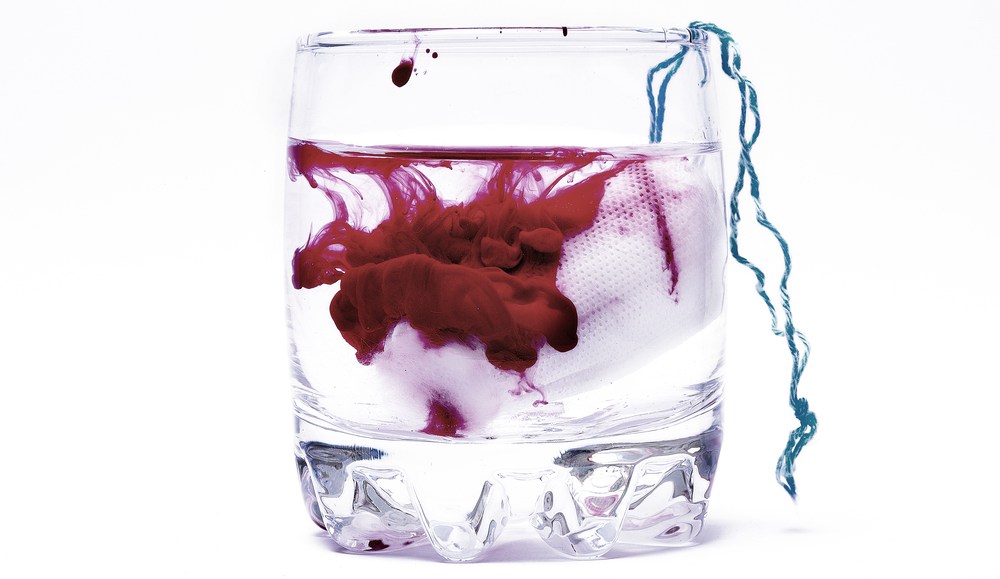
No one really wants to talk about vaginas publically, let alone periods. But Kimberly-Clark’s U by Kotex feminine-care brand (aka tampons, it’s time to start getting comfortable with these lady-terms, everyone), wants you, your sister, your mother and your grandma to start saying “vagina” and “period blood”—echh, sorry, that one is never good.
In its latest campaign called “Generation Know,” U by Kotex created a series of Web videos about vagina and menstruation myths that have clearly come from society’s historically patriarchal, misogynistic and puritanical roots. You can find the videos, which could obviously never be shown on TV, because you can’t openly say “vagina” or “vagina blood” (ew, sorry, that one still gets me) on a TV commercial, on U by Kotex’s site and on Youtube. Remember how menstrual blood was always shown as a magic blue liquid? Yeah.
The videos feature women of all age ranges, from speaking about and dispelling “vagina myths.” You know, things like not swimming in the ocean if you have your period because sharks will smell the blood. Or that using a tampon for the first time if you are a virgin will mean you will no longer be a virgin. Or not being able to make good tomato sauce on your period — what the what? That is one I’ve never heard, but sounds like an old Italian wives’ tale.
As crazy as these vagina myths sound — the shark one is definitely something I remember hearing in middle school — psychologically and sociologically you can see where they come from. It’s OK to talk and joke openly about men’s sexuality and sexual organs—dick jokes are a dime a dozen on cable TV!—but lady parts? No way. For a long time men have decided (and sadly continue to decide) what women should know about and do with their bodies. So bravo to U by Kotex for being so ballsy—or ovaries-y?


More in Marketing
‘There’s nothing wrong with being a heritage brand’: How Revlon is updating its image by looking to the past
Revlon named musician and actress Teyana Taylor and country music star Megan Moroney as the faces of its “Revlon Be Unforgettable” campaign.

Inside agency OK Future’s AI ‘pressure cooker’ experiment with Goodwipes
OK Future cut Goodwipes’ AI spoof from six weeks to four days, exposing big savings and burnout risks.
From influencers to AI, here’s what Gen Alpha thinks about your brand
The Gen Alpha cohort now influences nearly half of total U.S. household spending in families with children ages 8-14.