Join us Dec. 1-3 in Nashville for the Digiday Programmatic Marketing Summit
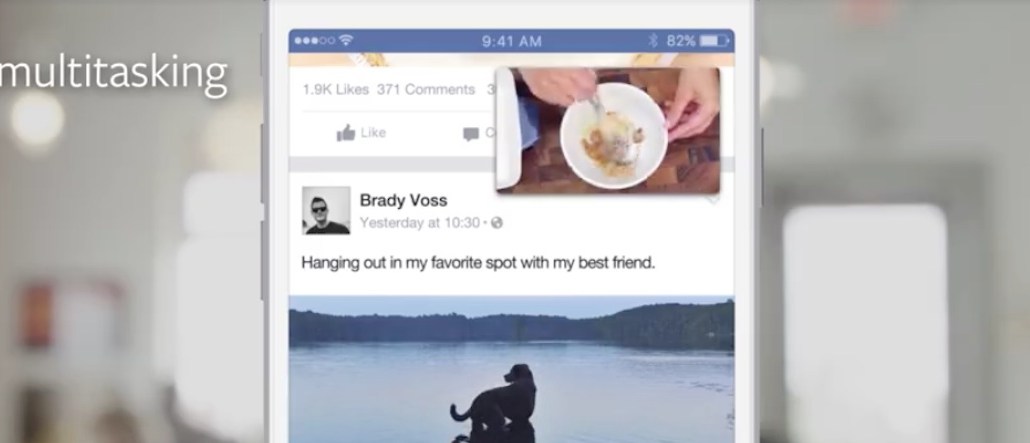
Facebook is changing what’s presented in user News Feeds, favoring friends and family over publishers, in what could be a blow to media outlets that largely rely on the behemoth for traffic.
Today, the social network published for the first time a list of “News Feed Values,” Facebook’s secret sauce of what makes the algorithm tick. Facebook is adjusting the recipe with a heavy helping of content from friends and family, likely an attempt to get people to share more, given that there has been a decline of personal sharing on the social network as messaging apps like Snapchat gain traction.
“To help make sure you don’t miss the friends and family posts you are likely to care about, we put those posts toward the top of your News Feed,” Facebook said in a blog post.
That’s a drastic difference compared to just the last few months when Facebook made a series of tweaks to the feed promoting live video and publisher diversity. Even in the wake of those changes, publishers have noticed a steady drop of traffic being sent its way from Facebook, perhaps a warning signal that changes were coming.
Publishers shouldn’t give up hope entirely just yet. While posts directly published from an outlet’s page won’t be bumped to the top of the feed as frequently, the changes mean that publisher content favored, shared and liked among your friends and family will now appear more frequently.
By Facebook’s own admission, the one thing that’s consistent about its News Feed tweaks is that they keep coming.”We view our work as only 1 percent finished — and are dedicated to improving along the way,” Facebook said.


More in Media

What DoorDash’s Instacart acquisition says about the modern delivery platform pitch
DoorDash’s announced plans to acquire Instacart for $17 billion point to the constant need to gain market share by diversifying services and offerings.

‘They hold us hostage’: Publishers furious over terms change still can’t quit Facebook
Publishers are pushing back against Meta’s AI scraping terms, testing their leverage over a platform they still rely on.
How political creators are juggling platforms to find the three Rs: reach, revenue and rules
Political and news creators are relied on now more than ever, but what platforms are working for them? Which ones aren’t?