Join us Dec. 1-3 in Nashville for the Digiday Programmatic Marketing Summit
Why the 2026 midterms could mark a turning point for influencers in political campaigns

Political campaigns are taking a page out of the brand marketing playbook for the upcoming midterms, hiring creators to reach voters across an increasingly disjointed media marketplace. This year’s midterms, political organizations campaigns and related companies started creator-led campaign work earlier, testing clipping strategies and working with more creators.
“Creators are more than just media personalities. They have become platforms themselves, with a direct line to the exact audience political campaigns need to reach,” said Zach Blume, co-founder of Portal A, a digital content and branded entertainment company that has worked with clients including elected Democratic San Francisco Mayors Daniel Lurie and Ed Lee, and Michelle Obama’s When We All Vote initiative.
And while the industry works around regulations that would otherwise apply to political ads, campaign strategists see the midterms as a new turning point.
A total of $12 billion is expected to be spent leading up to the midterm elections, according to AdImpact. Some of that will likely go to creators, although it’s unclear how much.
“My view is that this midterm cycle marks a move from occasional creator appearances toward sustained relationships,” Alex Dahan, founder and CEO of creator marketing company Open Influence, said in an emailed statement to Digiday. He added, “Creators help shape what people pay attention to, who they trust and how they see the world. That is real media power.” (The company is not currently managing any campaigns for political campaign clients or voting organization groups.)
Creators and influencers enter the press junket
Creators are where many eyeballs are. More than half of U.S. adults say they get their news from social media at least sometimes, according to Pew Research.
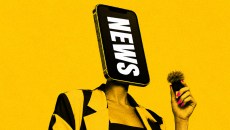
Last month, members of the Republican National Committee invited more than 100 influencers to the midterm convention and gave special “creator” credentials for interviews, per The New York Times. On the other side of the aisle, the DNC in June announced it would grow its Influencer and Creative Partnerships program, which currently has more than 550 members.
“A brand brief is usually about the product, the deliverables and the usage rights. A political brief adds message discipline, tighter approval, and timing tied to the election calendar,” said Kyle Dulay, co-founder of Collabstr, an influencer marketing platform and marketplace. Political and civic campaigns have booked campaigns for voter registration drives, early voting and election day reminders, ballot measure explainers, issue campaigns and local candidate introductions for House, state and city races, Dulay said.
Ever-evolving rules
While regulations haven’t caught up with spending, political organizations are struggling to see creators less as paid mouthpieces and more as collaborators. Though creators are starting to show up along the press junket, they aren’t bound to the same rules and regulations as journalists and members of the press. However, some states are starting to get more strict about the guardrails. California and Texas have both passed policies requiring content creators to say if they’ve been paid by a political campaign to post. California is considering fining those who don’t.
“The moment an audience sees a creator as a campaign mouthpiece, the value starts to disappear. You can buy airtime. You cannot buy the audience’s trust,” Dahan said.
Then there’s the messaging.
Campaigns are cautious about giving creators more creative control, protective of the campaign’s message, according to Cameron C. Trimble, founder and managing partner of HUED Collective, a communications and digital engagement consultancy. Trimble also served as director of digital engagement for the White House from 2021 to 2022. The consultancy is running at least $600,000 to $700,000 in creator payments for political campaigns this year, Trimble said.
“On the hard campaign sign, there’s still so much focus on controlling and curating your message…,” he said. “‘Here’s a briefing document. Does this align with your views?…If it does, we’d like you to say it in your own words.’ It’s almost a little more of a pay for play,” Trimble added.


More in Marketing
Retailers are still figuring out how to tie AI goals to executive compensation
AI is starting to show up more in conversations around executive incentive plans. But those conversations are still largely relegated to the tech industry. Here’s why it’s still an anomaly in retail.

Post World Cup, fashion brands are tapping soccer stars like Bellingham and Yamal for partnerships
Three months after the World Cup ended in a Spanish victory, the partnerships with marquee players keep coming.

How Lush quit social media ads and still drove growth
Quitting Meta, TikTok and X seemed like a gamble, but Lush was returning to its marketing roots. The results reshaped their entire approach.