Join us Dec. 1-3 in Nashville for the Digiday Programmatic Marketing Summit
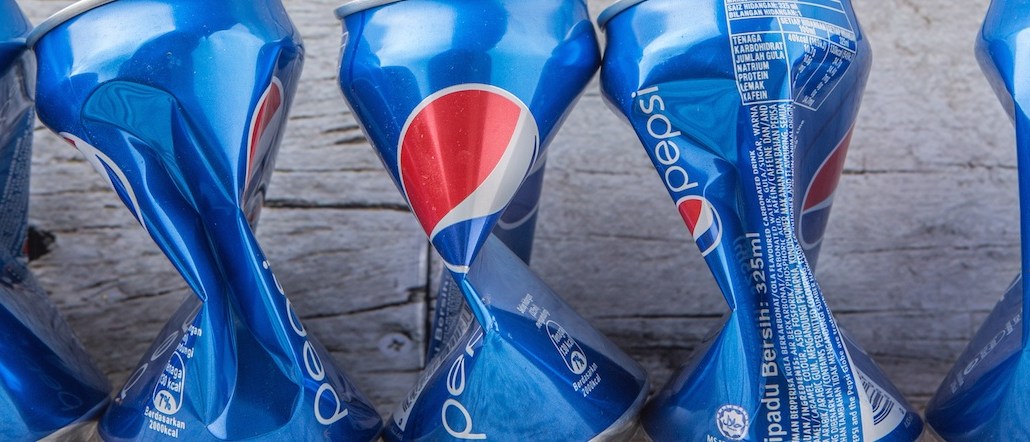
Pepsi might have been hoping to boost its declining sales with its new recipe for Diet Pepsi, but initial reactions indicate that the effort is going down the drain.
The new Diet Pepsi, which hit the shelves last week, marks the biggest change to the beverage in three decades — replacing the controversial ingredient aspartame with a blend of sucralose and acesulfame potassium. But Pepsi fans are not happy, and the brand is now facing a backlash for changing the formula.
“Just wanted to say the new Diet Pepsi is horrible. I actually thought the case I bought was old or something because it tasted so flat and disgusting,” said one post on the company’s Facebook page. “Awful aftertaste. Please bring my Pepsi back! I hate this stuff!” said another.
The reactions to the new formula on social media seem to contradict what Pepsi found during its two year-long internal testing. Three quarters of consumers who tested the new formula liked the taste and responded favorably, according to Pepsi.
There has also been a surge in the number of users posting on Pepsi Facebook page over the past 10 days, according to social analytics firm, Socialbakers. Pepsi has received 452 fan posts on its page over the past 10 days out of which 51 percent were about Diet Pepsi and 25 percent mentioned the word “aspartame.”

Diet Pepsi and its aspartame-free formula have been mentioned nearly 10,000 times in the past two weeks on Facebook and Twitter, with over 90 percent of the mentions occurring on Twitter.
According to data crunched by social analytics firm Brandwatch, the overall conversation is largely critical of the new formula. The most common sentiment on Twitter is people complaining about how much they miss and love the taste of the maligned sweetener aspartame.
Men seem to constitute the majority of fans of the old version of Pepsi, accounting for 55 percent of unique Twitter authors.

The entire episode is reminiscent of when Coca-Cola introduced “New Coke” in 1985 to the horror of soda-drinkers everywhere. Coke ultimately bowed to pressure and reintroduced its old formula less than three months later, re-branded as “Coca-Cola Classic.”
Pepsi rolled out the new formula following a 5.2 percent fall in sales last year, also taking into consideration consumer feedback over the years. In recent years, there have been growing concerns about aspartame, as consumers increasingly seek more natural and organic ingredients in their food and drinks. Artificial sweeteners have also attracted bad press since the 1970s, when a study linked them to cancer in lab rats. Which is why experts think it’s best for Pepsi to ignore the initial reaction.
“If there was ever a scenario where consumers might be willing to accept a trade-off in terms of taste, this would be it,” said David Srere, Co-CEO and chief strategy officer for branding firm Siegel+Gale. “It is a really bold move, consistent with their brand and towards the general good of the people. They should stick to their guns, keep reinforcing it and wait for some actual data before taking the next step.”


More in Marketing

Future of Marketing Briefing: Consulting firms revive their marketing ambitions in the C-suite the holdcos covet
Consulting giants Deloitte Digital and Accenture Song have started selling marketing in the C-suite with a fresh push.

Anthropic says no to ads but Wall Street may have other ideas
With shareholders, an $895 billion compute bill and a costly free tier, Anthropic’s no-ads pledge may have a shelf life.

Why more brands are paying creators to make their ads
Creator-led production is the fastest-growing segment of the influencer economy. We explain what’s driving investment in this practice.