Join us Dec. 1-3 in Nashville for the Digiday Programmatic Marketing Summit
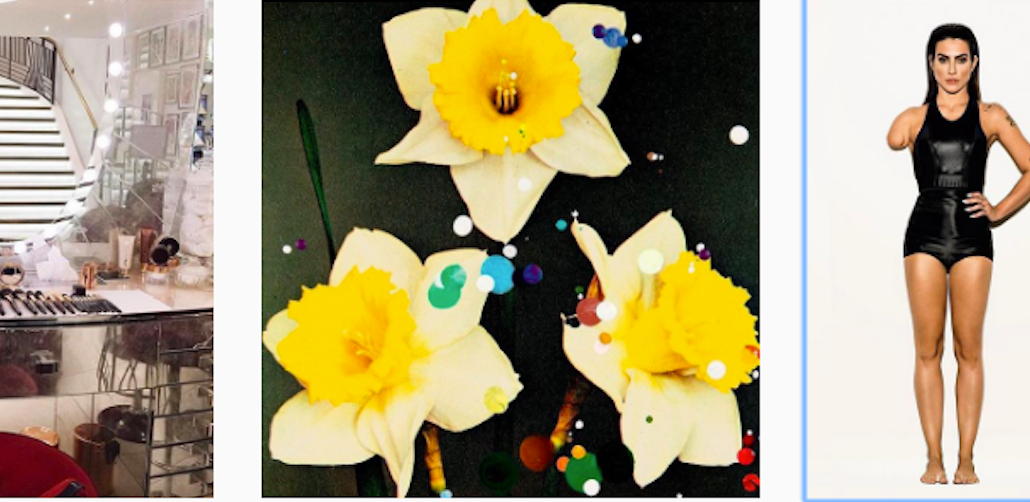
With the release of a breathtakingly tone deaf campaign last night, Vogue Brazil appears to have had its good judgment amputated.
In order to give visibility to Rio Paralympics, which kicks off in September, the fashion magazine used two soap opera stars — Cleo Pires and Paulo Vilhena — in its “We Are All Paralympians” campaign. Meant to raise awareness of the games, the photo went viral for all the wrong reasons: The problem, of course, is that the models aren’t Paralympians at all, but were made to look like amputees. For the photo shoot, Pires lost her right arm to Photoshop while Vilhena was given a prosthetic leg.
It didn’t take long after Vogue Brazil posted the image to Instagram last night for the internet to register its displeasure.
“I loved the initiative but why not call an athlete who will participate?” asked Twitter user @setebiz.
EU AMEI A INICIATIVA MAS POR QUE NÃO CHAMARAM UM ATLETA QUE VAI PARTICIPAR?? #SomosTodosParalímpicos https://t.co/GdDDzyUqES
— felps (@felpslara) August 24, 2016
Pires, typing with two hands, responded to the outrage that the campaign was meant to be an homage to Bruna Alexandre, a table tennis champion and member of the Brazilian Paralympic Committee. Clayton Carneiro, art director for Vogue Brazil, explained that Pires came up with the idea that the actors be Photoshopped as amputees. The shock value of seeing someone so recognizable in a new light would have a greater impact, he said.
“We knew it would be a punch in the stomach,” she wrote on Vogue Brazil. “But we were there for a good cause. After all, almost no one bought tickets to see the Paralympic games.”
https://www.instagram.com/p/BJf3RCaDbvI/
In spite of their good intentions, the photo raised the wrong kind of awareness. English digital content around Vogue Brazil has increased by 470 percent from yesterday to date, compared to earlier this week; and all the engagement around Vogue Brazil in English mentioning this amputee ad has been negative, according to Amobee Brand Intelligence analysis.
“It’s cringe-worthy,” said Angie Enger, director of engagement for agency Carrot Creative. “Vogue represents what’s in and good. They should have used the real athletes — rather than models – to show the diversity of beauty.”
Eunie Kwon, creative design director for agency Mirum, thinks that the campaign direction is odd choice, as well. “The root of the idea doesn’t support the meaning of and the spirit behind the Paralympics,” she said. “The integrity and the beauty of such an event gets lost through this campaign, as it becomes offensive by not showing the face of the athletes themselves.”
Others also agreed.
This is NOT cool: "Paralympic athletes replaced with able-bodied models in Vogue's promotional campaign": https://t.co/egXM4mvdIW
— Level Playing Field ♿️ (@Level_PFAgency) August 24, 2016
O, give me a break! #a11y #Paralympics #Rio2016 #photoshopfails very bad, @voguemagazine as bad as blackface! https://t.co/17zU8NjbQP
— Marie L Belanger (@MarieBLibrarian) August 24, 2016
https://twitter.com/BethElderkin/status/768532640370753536
https://twitter.com/LuizaAugusto/status/768513740757200897
Translation: “Hey Vogue, Cleo Pires? Being deficient only in Photoshop is very easy right…FAIL.”


More in Media
GTA 6 could be a windfall for creators, but standing out will be tough
Grand Theft Auto 6 has its own content creator cottage industry, with millions of views and a crowded, competitive marketplace.

Media Briefing: ChatGPT’s new business hub is an early ‘search console moment’ for publishers
ChatGPT’s new AI visibility and click data can help inform publishers’ GEO strategies and complement third-party analytics.
Some creators are turning YouTube back catalogs into sizable paychecks
Creators are tapping into their massive content libraries for syndication opportunities that pay dividends.