How college athlete Carson Roney went from TikTok dances to Gatorade commercials
This article is part of an ongoing series examining successful creator business strategies. More from the series →
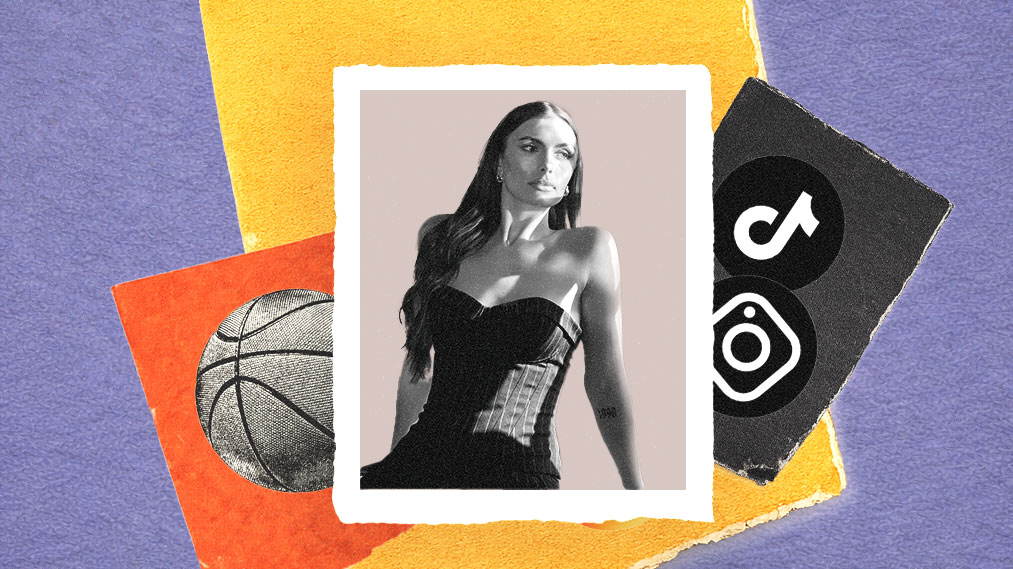
In 2020, Carson Roney was a college basketball and volleyball player recording dances on a fairly new app called TikTok. Six years later, Roney has 5 million followers on TikTok, nearly 700,000 followers on Instagram, and deals with brands including the NBA, Gatorade and Abercrombie.
Roney and her manager, Erin Convey from The Team, credit that growth to her ability to bridge genres. She may be a scholar athlete, but she’s also passionate about beauty and lifestyle, an increasingly common connection cropping up in sports that allows both creators and brands to diversify. It’s no longer just sports or the more traditionally sports-adjacent brands hiring creator athletes — now brands like e.l.f. cosmetics are sponsoring the Professional Women’s Hockey League.
Roney sits at that still-developing, but rather lucrative, intersection.
During the height of the pandemic, Roney started posting five to seven TikToks a day, dancing or dribbling a basketball to the beat of trending songs. “It would go viral every time,” Roney told Digiday.
As her reach grew on the platform, Roney says she started getting messages from record labels looking to pay her “a couple hundred bucks” to use their artists’ songs in her videos (a common tactic in the early TikTok days). Since she was a full-time college athlete and working as a waitress, Roney welcomed the extra income, but didn’t expect anything else to come from it.
Then, she got a DM from someone offering to manage her.
Though she wouldn’t name names, Roney says her experience was “a mess,” and highlights the dangers of young creators getting wrapped up with the wrong people promising to boost their careers. She says there was no contract between her and her former manager, who had only worked with musicians before her, and though he was bringing her deals, she felt he didn’t know the “ins and outs” of the creator space, or what she needed to help grow her brand most.
When she sought new representation, she says he tried to sue her, but didn’t elaborate further.
“I learned you have to have lawyers involved, you have to sign contracts, you have to make sure your money is safe. You have to trust the person you’re working with,” Roney said.
Roney has worked with her current manager, Convey, for the last four years. Convey told Digiday a lot of people “come out of the woodwork” to offer representation when creators are blowing up, but they aren’t specialists in this particular field, and don’t know how best to leverage a talent’s, well, talent. Convey knew what got Roney to millions of TikTok followers wasn’t the only thing the creator should rely on — especially not in an increasingly shifting landscape.
“Going back to her dancing content — you can’t make money doing that the way you could have in 2020. It’s not enough to move the needle,” Convey said.
As soon as they started working together, Convey advised Roney to do more videos showcasing her love for fashion and beauty to help diversify her brand and evolve her online presence (in practice, that means Roney does lifestyle and beauty content in the hotel rooms she’s staying at while on location for major sporting events).
That diversification has worked.
Though Roney’s team declined to share revenue details, they confirmed she increased her earnings by more than 275% from 2024 to 2025, with an engagement rate of more than 10% on her social media accounts.
She has long-term partnerships with Gatorade (even starring in a TV commercial for the brand) and the NBA (she’s been a Creator Cup player for the last few years), and has worked with Abercrombie, Coach, Celsius and Pro Lash.
Just this year, Roney got $45,000 to do a single TikTok for a brand (they wouldn’t specify which one).
Roney doesn’t feel pressured to post as much as she did when she was first building her platform, but last year, as a potential TikTok shutdown loomed, Convey encouraged the creator athlete to start prioritizing Instagram.
“It was a big wake-up call,” Convey said. “Brands are really trying to tap Instagram. Historically if a deal came through it would be on TikTok with a crosspost to Reels, now I’m seeing a lot more Reels post requests.”
As for other platforms, Convey is adamant that she doesn’t want posting to feel like a chore for Roney, as so much of what attracts audiences to her is her genuineness.
When asked about the rest of her year, Roney says her busiest time has already passed: February. NBA All Star Weekend and the WNBA draft are tentpole sports events for her — she had activations with Gatorade, PlayStation, Adidas, Emirates, and more over the four-day All Star Weekend.
“It truly ebbs and flows,” Convey said. “2025 was her best year financially, by far.”


More in Media

SPUR publishes AI content tracking standard, pitches OpenAI and Google to join advisory board
Publishers are pushing for AI transparency with a new SPUR standard to track how AI tools use content, and inviting frontier AI labs to help.

Media Briefing: Publishers are turning GEO from an experiment into a business
Publishers are turning GEO into a new revenue stream as clients increasingly look to boost their brands’ visibility in AI-generated answers.

The creator economy’s stance on AI is shifting — again
Creators are integrating AI tools into their workflows, but at what point does it overtake the creative process and result in sameness?