Join us Oct. 26-28 in Newport Beach for the Digiday Media Buying Summit
As Patreon and Substack enter the mix, the livestreaming landscape is dividing creators
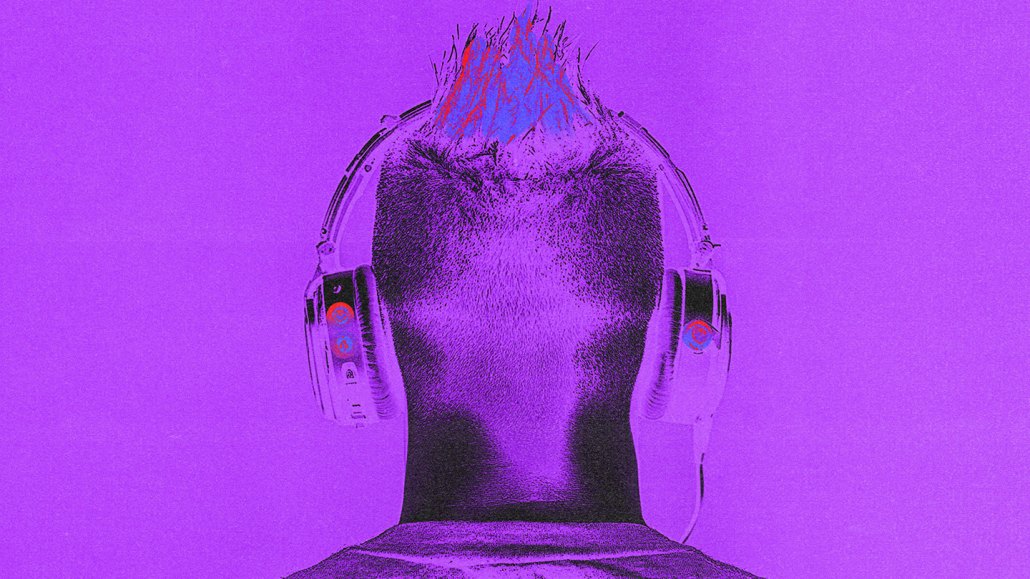
Livestreaming is having a moment in 2025 — and it’s bringing some growing pains.
Creator platforms’ push into livestreaming is exposing a deep cultural divide between Twitch’s dedicated streaming community and creators going live on newer platforms.
The format is breaking out of its niche roots, with platforms from Substack to Patreon launching new tools and total livestreaming hours watched rising by 8.9 percent year-over-year, according to Stream Hatchet’s Q1 2025 livestreaming trends report. But as streaming moves beyond its Twitch-native roots, creators are discovering the format means very different things on different platforms, and the result is growing friction.
Some creators thrive in the always-on culture of Twitch and Kick, while others see livestreaming as an occasional add-on to deepen relationships with their audience. As platforms race to meet demand, creators are having to navigate an increasingly fragmented ecosystem — one where audience expectations, monetization models, and even cultural norms vary widely.
“The majority of value in the creator economy is direct-to-fan, and I think that society, and particularly the creator economy, is waking up to that reality,” said Patreon vp of product Drew Rowny. “To make that happen, we need to provide a suite of media and community tools to build the right direct-to-fan experience — to build those tight communities — and I think live is a very natural and key part of it.”
For creators, this shift means navigating inconsistent monetization models, fragmented audiences and variable platform support. For marketers and advertisers, it’s a signal that the livestreaming ecosystem is fracturing — and with it, the opportunity to reach audiences at scale in a consistent, brand-safe way is becoming more complex.
Differing reactions
Despite Patreon’s recent livestreaming expansion, Twitch streamers such as Swearin, KarimCheese and Lydia “Lydia Violet” Wilson told Digiday that they had no immediate plans to go live on the platform, believing it would be difficult to reach their pre-existing communities outside of Twitch.
“I don’t care if Patreon paid me a billion pounds; I’m not going to do it,” said Wilson, a U.K.-based, full-time streamer with over 10,000 Twitch subscribers. “I do it for fun, and because it has a cool culture, and if I feel like I can’t get the culture in another platform, then I’m not going to do it.”
On the flip side, jazz pianist and Patreon creator Glenn Zaleski said he has never considered going live on Twitch, although he has used third-party services such as Zoom and Crowdcast to stream monthly performances to his Patreon subscribers since 2020. Similarly, Substack creators such as Aaron Parnas and Gabe Fleisher, who both regularly go live to their audiences on the platform, said that they did not view Twitch as a good fit for their broadcasts.
Substack’s leaders recognize that the platform’s creators are using live video alongside other content formats and have tailored its livestreaming products for this type of activity.
“The important thing about live video, community features, or any other publishing tools is that they aren’t just standalone features — they’re connected to a network that helps publishers grow both audience and revenue,” said Substack co-founder Hamish McKenzie, who said that his company views itself as more of an analog to YouTube than to Patreon.
For marketers interested in reaching the livestreaming audience, Patreon and Substack’s streaming offerings serve a very different purpose than those of dedicated livestreaming platforms like Twitch.
Twitch, and to some extent other dedicated streaming platforms like Kick, represent an opportunity for brands to reach the livestreaming community at a wider scale through pre-roll ads and prominent streamers. On Patreon and Substack, livestreaming is more of a form of added value for partners or sponsors already interested in individual creators and their specific audiences.
“You sort of see the two sets of platforms emerge: the ones that are more pure-play livestreaming, and that’s their main value proposition, and then the emergence of platforms where livestreaming is part of the offering, and there’s other things that are connecting creators with audiences,” said Ashray Urs, head of the Logitech-owned streaming software company Streamlabs.
The streaming divide
Creators’ mixed reactions to Patreon’s livestreaming rollout underscore the emergence of two distinct camps of livestreaming creators as the format gains traction across platforms.
Not all creators are cut out to go live for hours every day — which creators say is necessary to build a following on dedicated streaming platforms. Others see streaming as a bolt-on to other formats such as video or text posts, allowing them to deepen their relationships with their fans by interacting with them and answering their questions in real time.
The former variety of streamer considers their audience to be the “streaming community” on platforms such as Twitch and Kick: viewers who watch streams daily or several times per week, often for multiple hours. Then you have those who use streaming as another way to plug into a pre-existing community — like the jazz audience, for Zaleski, or the cooking community for Caroline Chambers, a food creator who signed a deal with watch and knife maker Victorinox to do a series of sponsored knife safety livestreams on Substack earlier this year.
“They reached out about Instagram,” Chambers said, “and then me and my manager were like, ‘sure, but did you know about my Substack [where she has a larger livestreaming audience]?’”
Although there is no unified livestreaming audience across Patreon and Twitch, the expansion of livestreaming on Patreon does create opportunities for Twitch streamers who already use Patreon to engage with the most involved members of their Twitch community. Livestreamer Gappy, for example, broadcasts monthly exclusive streams to his Patreon subscribers, but has had to stream these sessions on a secret alternative Twitch channel to prevent them from being visible to his non-paying followers — a workaround that he said is clunky and susceptible to invasions by random viewers. Now that livestreaming is available on Patreon, he plans to test the function soon to see if it is a more straightforward option.
“If you look at the mix of the marketing dollars that brands are spending, I fully expect that, broadly, we will continue to see brands invest in livestreamers and content creators,” Urs said. “And I think platforms will definitely lean into it.”


More in Media
Ad industry tallies early losses from Apple’s Safari tracking block
A week after Apple’s Safari block, the ad industry is still waiting for the other shoe to drop.
Welcome to Creator University: Inside the colleges building creator economy programs
As more young folks seek to enter the creator economy, universities are offering classes covering every layer of the still-growing ecosystem.
For some publishers, agentic advertising is still a question of ROI
Despite the hype around agentic media buying, some publishers remain skeptical of its potential to deliver meaningful revenue.