Join us Dec. 1-3 in Nashville for the Digiday Programmatic Marketing Summit
How DUDE Wipes turned to unconventional sponsorships after sports inventory prices surged
Sports sponsorships have long been reserved for big brands with big budgets to match. Increasingly, some marketers are looking for alternative routes onto the field.
Take DUDE Wipes. Back in May, the flushable wipes brand became the “official backside partner” of the Premier Lacrosse League (PLL), placing its branding on the lower backside of every PLL jersey.
While most brands go for jersey chest, sleeves or upper back, the flushable wipes brand built its ad strategy by “being on the butt” of jersey logo placements, as Ryan Meegan, co-founder and CMO at DUDE Wipes, puts it.
“There’s so much there on the table to take advantage of,” said Meegan, adding, “We can just do a deal with the Browns or do University of Auburn and just show up within their walls, but that’s not our goal.”
The goal, per Meegan, is to be seen and take up space, especially if that space is on-brand for a flushable wipe brand and less brand safe for traditional advertisers.
Shifting the strategy in a crowded arena
On a whole, sports is a crowded arena — even more so as fragmentation plagues the media marketplace. Sports has become one of the last strongholds in monocultural moments. Legacy players like Visa, Toyota, AB InBev and Microsoft have historically dominated sports marketing.
“If you’re trying to compete with a Nike at the World Cup, it’s just not going to happen,” Gregor Johnstone, creative director at Bulletproof, an independent design, creative consultancy, said, referring to marketing spend.
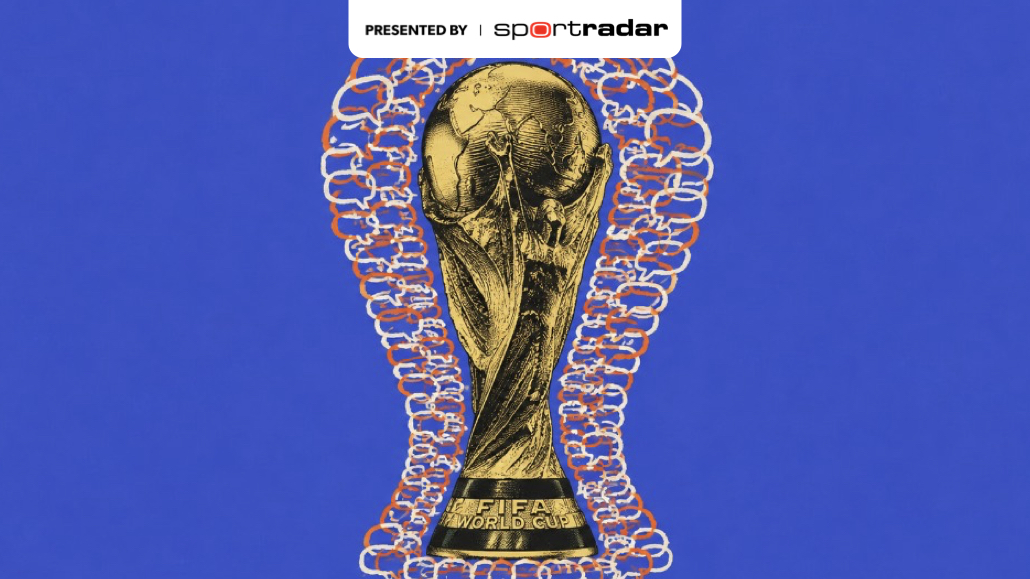
From a dollar perspective, the FIFA World Cup this year is predicted to drive a $10.5 billion surge in ad spend, according to WARC Media’s latest global advertising trends study.
Inflation is shutting some of those legacy brands out of sponsorship deals. Visa ended its NFL sponsorship run of three-decades, citing inflation in sports rights costs. The payment card services ceded its spot to AmEx, opting to instead spread its ad dollars across team, players and creator partnerships.
If the rise of brands’ interest in emerging sports and their niche fanbases indicates anything, Johnstone has a point.
A repeatable business model
The jersey placement is just one part of DUDE Wipes’ recently expanded partnership with the PLL. The deal also includes brand logo placement on PLL Junior Championship and PLL Play youth program apparel, on-site sampling and activations, digital content and a new creator program that will send DUDE Wipes influencers to PLL games to create content.
Sports sponsorships are a big get, usually only attainable to blue chip brands with seemingly bottomless marketing budgets. That said, DUDE Wipes has turned irreverent sports sponsorships into a repeatable business model.
Its PLL partnership is just the latest move in that business model that dates back to 2014. DUDE Wipes sponsored then-rising UFC star Tyron Woodley with the brand’s logo appearing on the back of Woodley’s trunks.
That year, the brand brought in an estimated $150,000 in sales, per Meegan. This year, DUDE Wipes is pulling in “multi-nine figures” in sales and expects more than 10% of U.S. households will be using DUDE Wipes, he added. Meegan declined to outline specific spend figures.
“As our budget has grown, we’ve only amplified what we’re doing with more dollars across more properties and areas that are speaking to more audiences,” he said.
The rise of niche sports
Increasingly, brands are turning toward niche sports, hoping for a better foothold there rather than trying to compete budget for budget with bigger advertisers. Sponsorships and partnerships across pickleball, flag football and F1 are more attainable, said Charlie Wade, global chief client officer, VML Live, VML’s sports marketing, experiential events, and entertainment arm.
Case in point: Ally Bank has invested in women’s sports, reaching its goals around parity in ad spend across men and women’s sports media, according to the banking company. Now, Ally is eyeing other parts of the playing field. In March, the company partnered with Scripps Sports and the Professional Women’s Hockey League (PWHL) to broadcast its first-ever game on national linear television in the U.S.
“When you’re working with a rights holder, if the rights holder has as much need to grow their game, or their brand as they do their revenue, then their ability or willingness to partner with you goes up significantly,” Wade said.
DUDE Wipes’ hybrid approach
That’s not to say brands like Ally or DUDE Wipes are boxing themselves into emerging sports alone. DUDE Wipes showed up to hand out samples ahead of Wednesday night’s New York Knicks game against the San Antonio Spurs. Last year, DUDE Wipes became the official sponsor of the Philadelphia Eagles’ Tush Push, which included social content and product sampling at events. DUDE Wipes also sponsored the Cleveland Browns uniforms last year.
“There’s just always an opportunity to further amplify things that you’re doing out there,” Meegan said. He later added, “There’s so much there on the table to take advantage of.”


More in Marketing
Walmart Connect pitches brands directly as it pushes lift studies ahead of holiday ad deals
Walmart Connect is using lift studies to prove ad performance directly to brands ahead of the holidays, signaling a tighter race with Amazon.

Target’s holiday push stresses affordability, exclusives and an AI assistant
Target is also rolling out an AI-powered assistant called Ask Target on Target.com and the Target app.

Indie agencies want The Trade Desk and Amazon DSP to acknowledge their buying power with negotiating leverage
Indie agencies say DSP giants block direct seats and fee relief despite spend commitments.