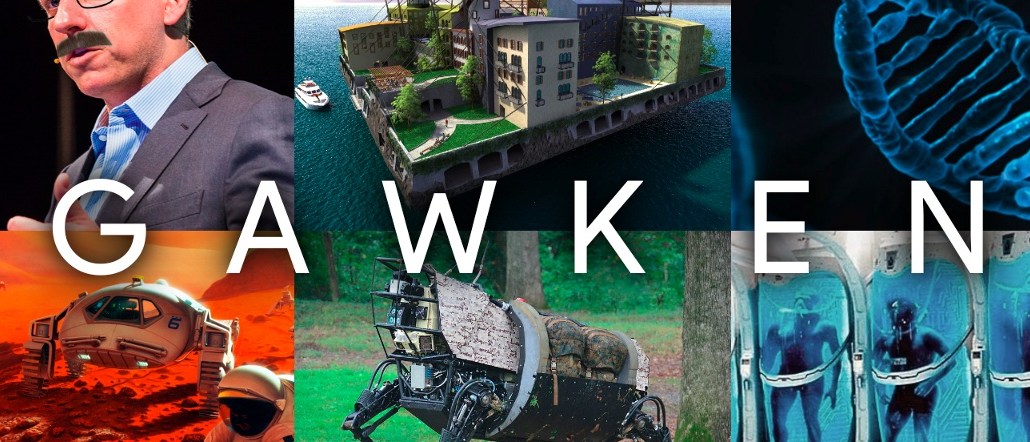
Just weeks after Gawker was buried and the media had paid its last respects, a parody site dedicated to tweaking its nemesis has sprung up.
Called Gawken, the site promises to “open your mind to the future.” It features a number of quick posts written by pseudonyms including Tim Cook’s Toaster, Elon Musk’s Tesla (“VVRROOOOM VROOOMMMM,” it writes, not unconvincingly) and, of course, someone named Peter Theil, an author not quite named after the venture capitalist who bankrolled Hulk Hogan’s legal battle against Gawker.
The site’s first posts went live late last week, joining the proud ranks of The Clickhole, Google Nest, @ProfJeffJarvis and all other parody media produced for the social web, and it instantly delighted Media Twitter, including more than a few Gawker Media alumni:
Holy fuck https://t.co/0GMONhoAFM pic.twitter.com/78rwIEVYAd
— eve peyser (@evepeyser) September 14, 2016
pretty sure gawken would get funded if it were real
— Max Chafkin (@chafkin) September 14, 2016
This is the content America needs https://t.co/eTblJv3MHy
— Matthew Yglesias (@mattyglesias) September 14, 2016
The site’s appearance is the latest piece of evidence that Gawker’s spirit lives on, even though its sister publications have been sold off and the flagship fell. Over the weekend, news erupted of a skirmish that broke out inside Univision over its decision to delete six posts published years ago across several old Gawker Media titles.
So far, no one has come forward to claim responsibility. But if we can sniff out the authors’ true identities, you’ll be the first to know.


More in Media
Inside The Daily Mail’s creator-led content playbook
Inside the structure, strategy, and metrics of the Daily Mail’s creator-led content push.

Media Briefing: Overheard at the Digiday Publishing Summit, March 2026 edition
With no sign of search traffic returning, publishers are doubling down on subscriptions to build direct reader revenue — but it’s not easy.

People Inc.’s Jon Roberts on the AI licensing boom – and the revenue lag
People Inc’s Jon Roberts discusses the boom in AI content licensing marketplaces — and the revenue that could materialize for publishers.