Join us Dec. 1-3 in Nashville for the Digiday Programmatic Marketing Summit
Who owns the creative brief? Brands and creators are renegotiating the relationship
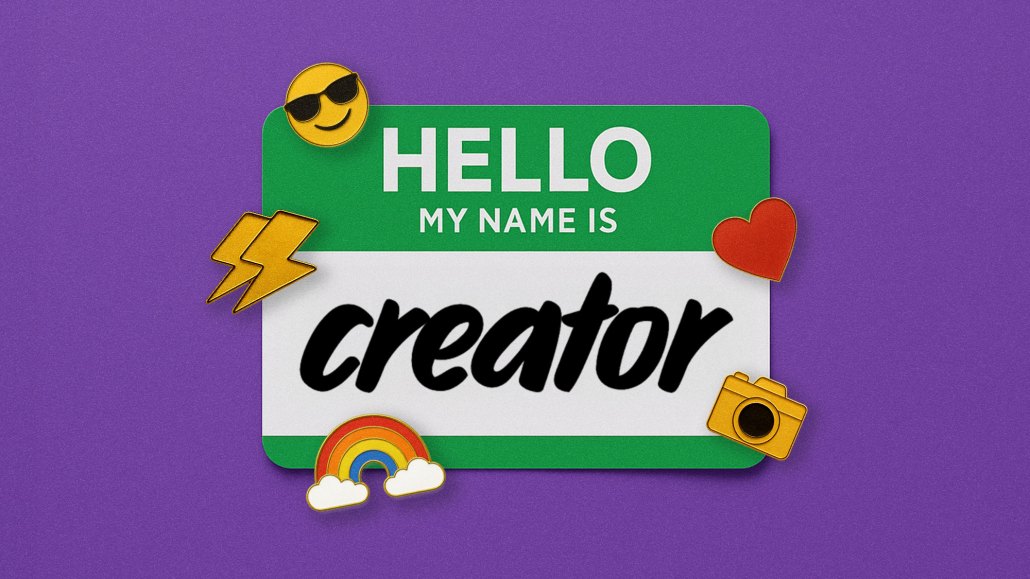
Brands used to treat creators like media buys, spending ad dollars to rent their audiences. Now, they’re prodding creators to help them shape concepts, influence products and pressure test ideas.
All signs point to a maturing creator economy. Ask any influencer agency exec. CMOs have a new respect and the power dynamics are shifting. But while brands want creators’ judgement, they’re still figuring out how much power to give them.
From media buys to co-creation
“It’s an evolution of understanding the power, respecting the creators more and then listening to their feedback and their opinion throughout the process,” said Thomas Markland, founder and CEO at HYDP influencer marketing agency.
Take bubly’s latest summer campaign this year. Rather than tasking a creator with delivering reach against a marketing brief, the Pepsi-owned drink brand purposely sought out a creator whose online presence could become part of the campaign itself. Bubly partnered with Erin Miller, a social media influencer known for her 2000s internet nostalgia content.
“We have been more recently coming with a creative thought starter on how our brand or product fits in their world, and then they co-build and co-create it with us,” Katelyn Meola, director of flavored sparkling beverages at PepsiCo, told Digiday.
It’s a subtle but important difference. As the creator economy matures, marketers are backing into the brief — making the brand fit into the creator’s existing world rather than boxing creators into a fully formed brand campaign.
“Seeing those talents and that IP through the eyes of the creator really makes it very relatable for our audience,” Meola said.
Operationalizing creator feedback
At HYDP, clients are increasingly requesting feedback sessions to hear directly from the creators they work with. Some are using that feedback on beta products to make adjustments before launch, Markland said. It’s a similar story at Billion Dollar Boy. The agency is running creative ideas by creators in a consulting role for 2027 planning, said Piet Southey, managing director at Billion Dollar Boy.
Another example is Aéropostale. The clothing brand in July launched a co-designed collection with TikToker Déjà Clark and a six-part social-native mini-series.
It’s not that brands need to be convinced of the power of creators. The dollars prove as much. In the U.S., spend on influencer marketing is expected to grow 15.7% in 2026 and reach $13.7 billion by 2027, according to eMarketer forecasts.
The friction of creative control
But like any client-agency relationship, there’s a tug-of-war between big ideas and business objectives. Creators are becoming a core marketing strategy and CMOs are more willing to give up the reigns — to an extent.
“If you’re too rigid with the ask to the creator, you then get poor engagement because the audience knows it’s not a real piece of content,” Southey said.
It’s a lesson olive oil brand Kosterina learned the hard way, after “some unsuccessful posts where the influencer did exactly what we asked them to,” said Katerina Mountanos, founder and CEO at Kosterina.
Kosterina’s in-house marketing team is learning to be “less prescriptive” with its influencer briefs, Mountanos added.
While brands aspire to let creators lead, their actual freedom is often curtailed by legal, leadership and stakeholder constraints, per agency execs. So the brand-generated creative brief stays for now, but brands are striking longer partnerships with creators and more often bringing them in as consultants.
Or as Kirsten Suarez, CMO at Zevia drink brand puts it, “We believe that repetition and ongoing connection with someone’s community is just going to have a much greater chance of breaking through.”


More in Marketing
AI boosts discovery but reviews still seal the deal, new research shows
ChatGPT is where 16% of shoppers start looking for products. However, only 9% go there to actually buy something.

Future of Marketing Briefing: Advertisers have more ways than ever to choose a holdco, and free holdcos to choose from
Fewer holdcos, more ways to pick one: inside the changing agency pitch.
Walmart Connect pitches brands directly as it pushes lift studies ahead of holiday ad deals
Walmart Connect is using lift studies to prove ad performance directly to brands ahead of the holidays, signaling a tighter race with Amazon.