Join us Dec. 1-3 in Nashville for the Digiday Programmatic Marketing Summit
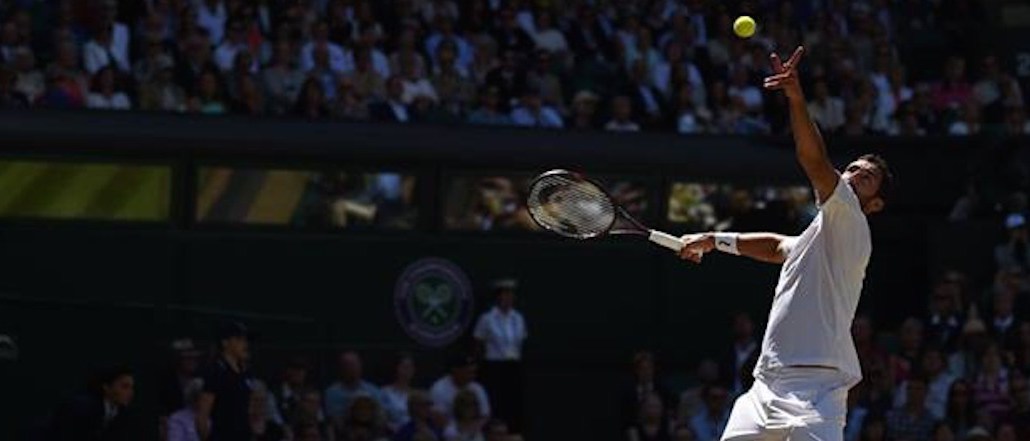
Twitter is using Wimbledon to serve a first glimpse at what live streaming sports on the platform will look like.
Today, it began broadcasting the ninth day of action from the courts outside of London for free. On desktop, the format is laid out with a high-quality live stream of the Wimbledon’s website feed, despite it displaying “Brought to you by ESPN” on the bottom. Tweets using the #Wimbledon hashtag are displayed on the left.
Live @ Wimbledon – Day 9. Watch LIVE now: https://t.co/JI7WEdvcQQ … #Wimbledon
— Wimbledon (@Wimbledon) July 6, 2016
The layout looks similar, but more compact, on mobile. A few people have reported problems accessing it on their phones, although it worked within the app without an issue for us. Another complaint from users is the selection of matches: ESPN has the U.S. digital streaming rights so Twitter can’t show live matches, rather it’s showing older matches and commentary.
Since the feed from Twitter is ad-free, it’s unclear if Twitter is selling ads with the coverage. This is likely more of an attempt to show off its live streaming capabilities ahead of its NFL streaming package this fall.
“Twitter is increasingly a place where people can find live streaming video, and that includes exciting sporting events like Wimbledon,” Twitter said in a statement. “This livestream is an extremely early and incomplete test experience, and we’ll be making lots of improvements before we launch it in its final form.”
The stream will run throughout the tournament.
Photos via Facebook/Wimbledon.


More in Media

The Daily Mail tests GEO with brands ahead of AI visibility product
The Daily Mail is running around a dozen GEO tests to work out what works before turning its AI visibility offering into an official product early next year.

Meta delays rollout of updated commercial terms amid publishers’ collective pushback
Meta’s updated commercial terms have galvanized publishers into a coordinated pushback over the company’s use of their content.
Creators say it’s difficult to make money from news — with platform rules and brand guidelines
With more people getting news from creators than traditional media, those creators are still trying to build sustainable businesses.