Join us Dec. 1-3 in Nashville for the Digiday Programmatic Marketing Summit

Ad:tech has a venerable heritage in the digital industry. It’s been going on forever — well, since 1997 — and it’s huge. It’s also very, well, direct response. That means lots of lead-gen networks, tool providers and sundry other characters. It is also, alas, perhaps the last bastion of “booth babe” in digital media events. Here are 10 telling pics from ad:tech San Francisco, which just took place earlier this week. A special thanks to Steve Hall, whose Flickr photosream was the source for most of these pictures, and Matt Barash who also snapped a few for us.
1. Bunnies. This guy told his wife he was going to a work thing. This is what a work thing looks like, hanging out with sexy bunnies under a tent. 
2. Hide your kids. Apparently weird dudes can be booth babes too.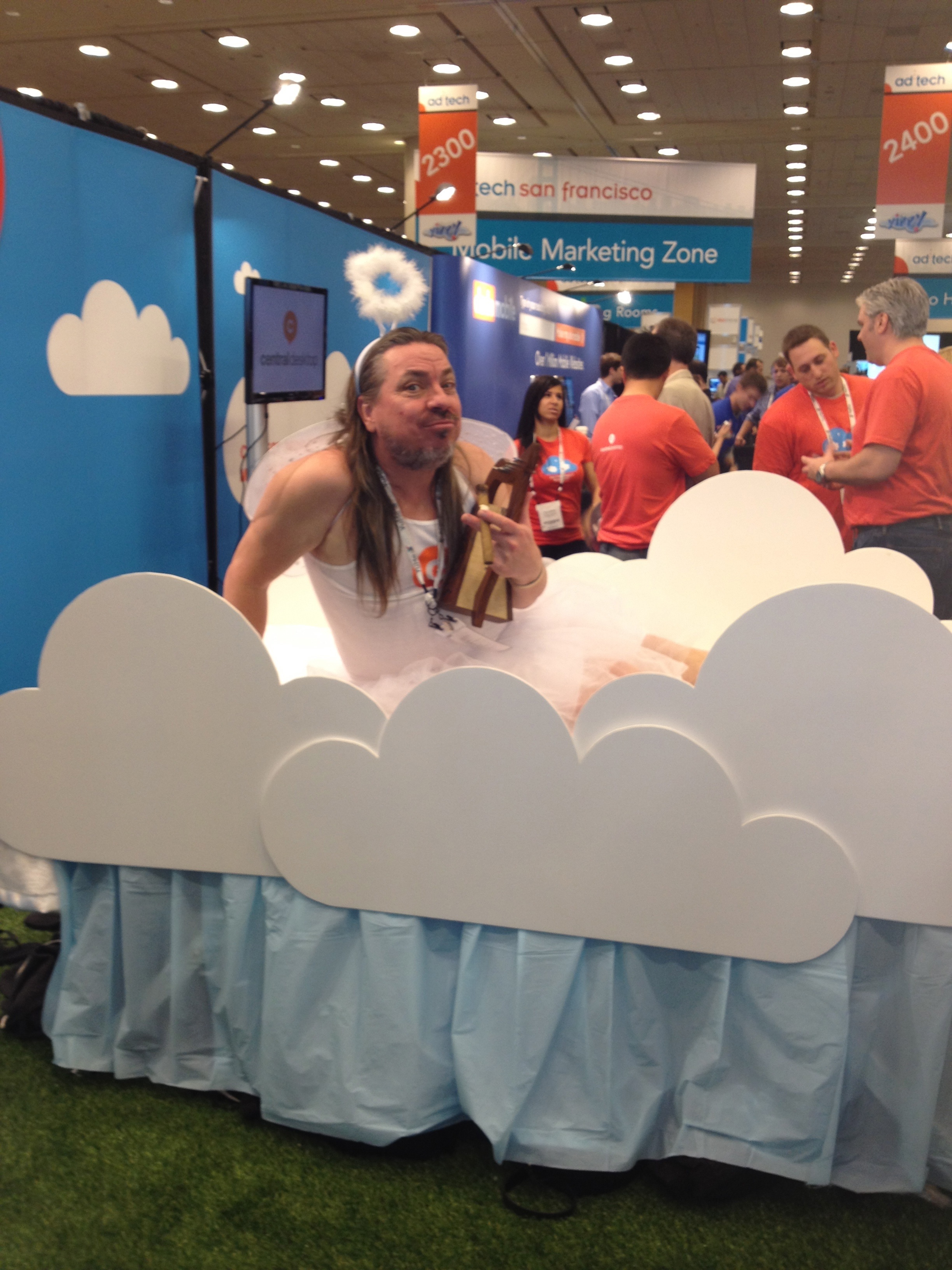
3. Body paint is the new clothing of choice at Ad:tech. That’s Strike two for you, dude on the right.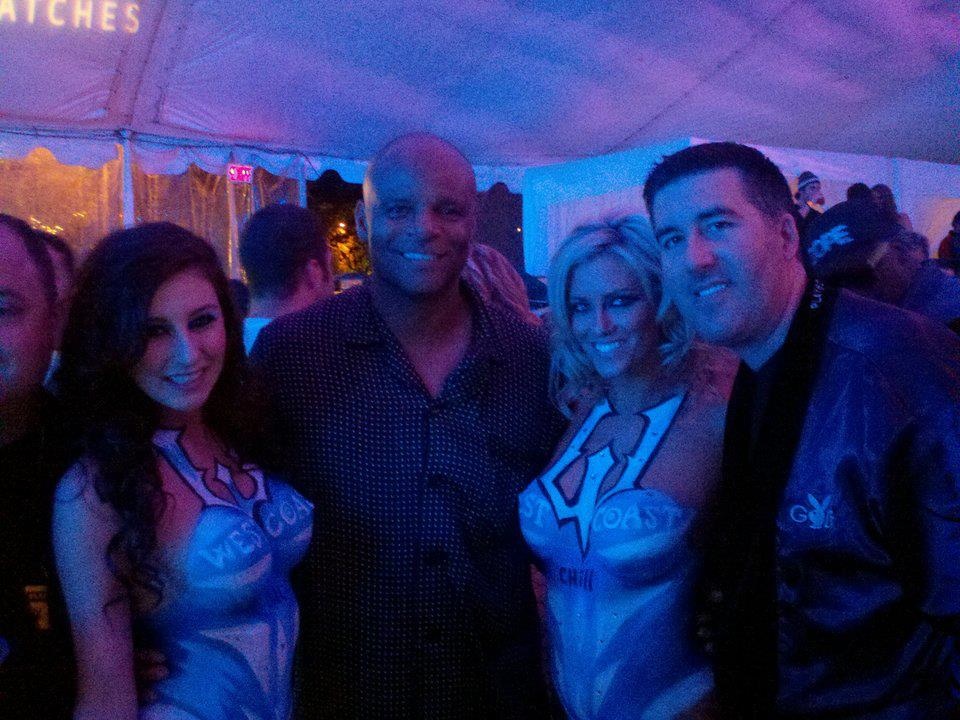
4. iballers, a dating affiliate ad network. Lots of great vendors to see at Ad:tech.

5. Cupcake babes. Nami Media wants to satisfy your, um, sweet tooth.

6. Clickbooth mascot and his lady friends. Baller.
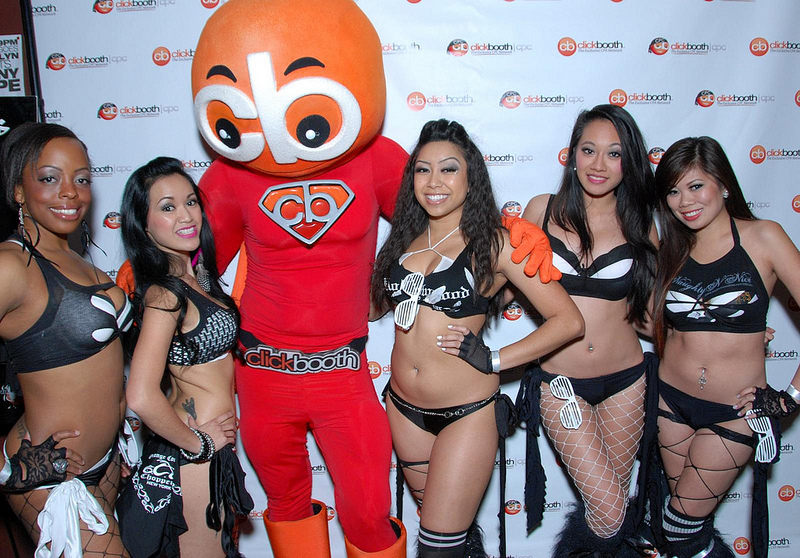
7. Classy ladies at the party. You have to be top heavy to get in to Ad:tech parties, ladies, and/or have bellybutton piercing, fishnets, exotic dancing experience.

8. Another lovely lady at the party. She looks out of it from all that digital marketing talk.

9.The Marketers Ball. This is a black-tie-only event.

10. Fling.com. If you need a date to the Marketers Ball, you know where to go.



More in Media
Creators say it’s difficult to make money from news — with platform rules and brand guidelines
With more people getting news from creators than traditional media, those creators are still trying to build sustainable businesses.

Why CNN International is building for agentic ad market that barely exists yet
CNN International is still chasing its first agent-sold dollar by Q1.
Media Briefing: The transatlantic push to rein in stealth bots is gathering pace
U.S. and U.K. publishers are pushing for laws to crack down on stealth AI crawlers as bot scraping surges and demands for transparency grow.