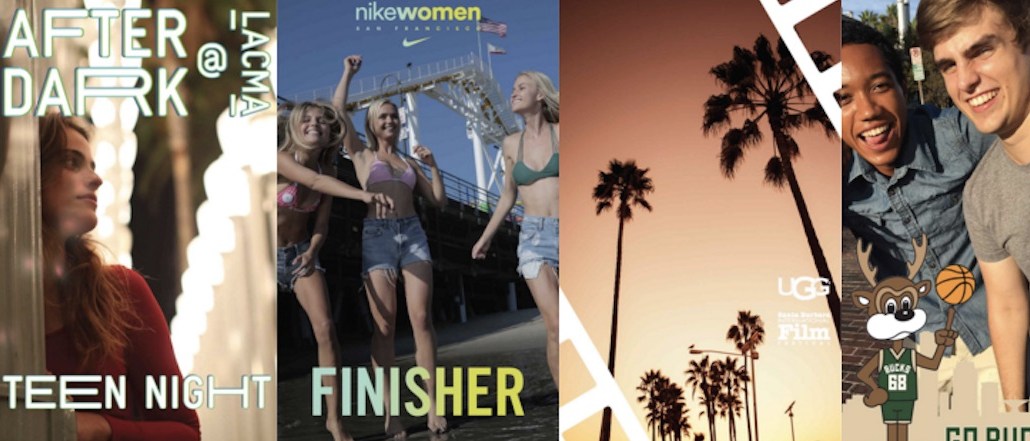
Snapchat is going to make custom filters the latest bat mitzvah party craze.
In its continuing quest to monetize, the ephemeral photo messaging app is selling “on-demand geofilters” to people, shifting away from it being a brand-centric feature.
Now, anyone can submit a filter design to Snapchat to be approved within a day, which then can appear in a designated area between the area of 20,000 square feet (an office floor) to 5,000,000 square feet (several city blocks). The filters appear live between an hour to up to a month.
As exemplified in this video from Snapchat, the app is further entrenching custom filters as its trademark feature since it lacks hashtags or tagging photos like on Facebook and Twitter. Just look how every one is excited to use a cat filter at this birthday party:
Prices begin at $5 for a filter that lasts eight hours and appears over a small venue, say a ballroom, with prices escalating depending on the length of time and square footage. Snapchat is also providing an analytics dashboard to see how many people used the filter.
Previously, Snapchat only made filters available to brands to purchase. It sells sponsored lenses for as much as $750,000. The app has also tried in-app purchases before with a Lens Store that was closed after just two months.


More in Media
Creator mentors Colin and Samir want to turn their followers’ ideas into productions
Creator mentors Colin and Samir teamed up with Adobe to fund a creator’s project; the first step towards the duo’s new production era.

How a fashion creator turned audience demand into a 500+ client styling business
A creator with a fashion merchandising degree speaks on her quest to diversify revenue fast, from styling to sweat equity investment.

Forbes looks to Google AI pilot for insights as publishers seek value beyond the click
Forbes has joined Google’s paid News AI pilot that gives Google expanded rights to its content to test new ways of providing readers with context about stories before they click through.