For brands, the creator ambassador is becoming a creator executive
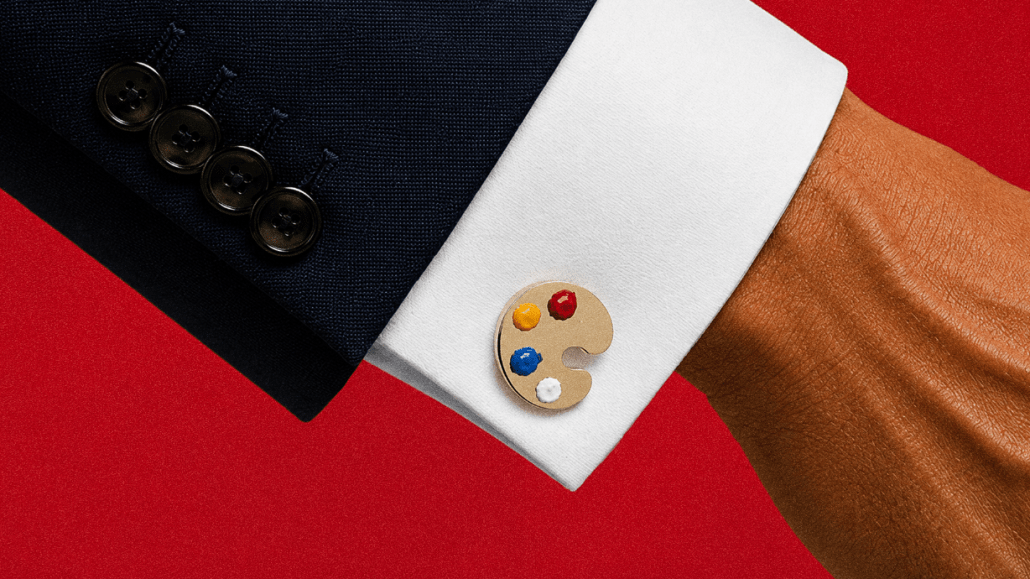
It wasn’t that long ago that a brand announcing a creator had taken up an internal role would’ve triggered an eye roll. Gemma Collins called herself creative director at Canva. Dhar Mann as the NFL’s chief kindness officer. Olivia Nell became “out of office” director at ASOS. Those examples were all recent, but something is shifting rapidly in the space.
But as CMOs and now CEOs start taking creators seriously and the creator budget expands, that’s shifting, along with creators’ ability to join the C-Suite in more meaningful ways.
In the spring, creator and comedian Jack Shane was made chief creative officer of German candy company Katjes, to help grow it in the U.S. Similarly, soft drink brand Cool Sips named reality TV star and creator Whitney Leavitt as its chief creative and brand officer. Cherub, an investment platform connecting creators with startups, named entrepreneur Nadya Okamoto as its chief creator officer earlier this summer, to help source deals.
Each of these roles comes with a claim to actual input, not just a signature and a paycheck.
“Reputation is huge,” said Lily Comba, founder and CEO of influencer agency Superbloom. “If you have a reputation as a brand that has kickoff calls and relationships with your creators, if you really listen to them and form business strategy around your mega customers [influencers and creators], that spreads like wildfire.”
In a thriving creator economy, it’s less trendy to use a celebrity to sell your product when there’s a creator like Jordan “The Stallion” Howlett and his 50 million followers across multiple social media platforms waiting to step into the role of chief content officer. That’s what San Diego-based eyewear company Blenders did when it gave Howlett a title — chief content officer — normally reserved for C-Suite execs.
Since then, the creator, who posts comedy sketches and food-related commentary (that often involves him throwing his glasses for comedic effect), has already demonstrably changed how Blenders approaches social media, according to Blenders CEO Jack Gray.
Howlett went into their San Diego store and instructed a store associate with barely 100 followers to post a video of him shopping there. The post, which features a Blenders associate showing Howlett how durable their glasses are by throwing them around the store, currently has almost 200,000 views on Instagram. That was the first test of the partnership, Gray said.
“You see a lot of creative director roles, but you don’t really see very many content roles, and that was by design,” Gray said. “A lot of people do creative directors because they want to do a collab and trade off of their fame, but I don’t necessarily believe in renting a customer or renting culture.”
Howlett wants his way of thinking — his authenticity and energy — at the core of Blenders’ marketing. That includes recently spending an entire day shooting at one of their stores only to scrap the content because it didn’t feel right.
Though Blenders wouldn’t provide partnership details with Howlett, whose first major video has “exceeded all internal KPIs.” Gray confirmed it is a multi-year partnership, and that it’s the brand’s biggest one yet, though he didn’t specify what “big” meant.
“This partnership is different, there’s different goals,” Gray said. “There is obviously a revenue component, but I think this is going to be something that will halo across everything we do… I think that there is going to be exponential cultural value.”
And therein is the crux of that matter. Despite Howlett’s title he is a partner of the brand not an employee.
“Some of these C-Suite appointments are just a partnership with a fancier title, for the talent manager or the talent, it was an ego thing to give them that title,” said Comba. “There are certain instances where it’s a ‘chief something officer’ and actually they just came out with a new line of products or a new shade, and it’s the launch, the announcement, and then it was nothing.”


More in Media
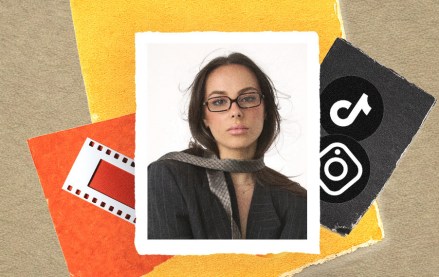
How a fashion creator turned audience demand into a 500+ client styling business
A creator with a fashion merchandising degree speaks on her quest to diversify revenue fast, from styling to sweat equity investment.
Forbes looks to Google AI pilot for insights as publishers seek value beyond the click
Forbes has joined Google’s paid News AI pilot that gives Google expanded rights to its content to test new ways of providing readers with context about stories before they click through.

The Verge switches up its audience team to prepare for Google Zero
The Verge has restructured its audience development team to prioritize loyal readers over traffic and page views.