Join us Dec. 1-3 in Nashville for the Digiday Programmatic Marketing Summit
How Shira Lazar grew social account ‘What’s Trending’ to seven figures in revenue
This article is part of an ongoing series examining successful creator business strategies. More from the series →
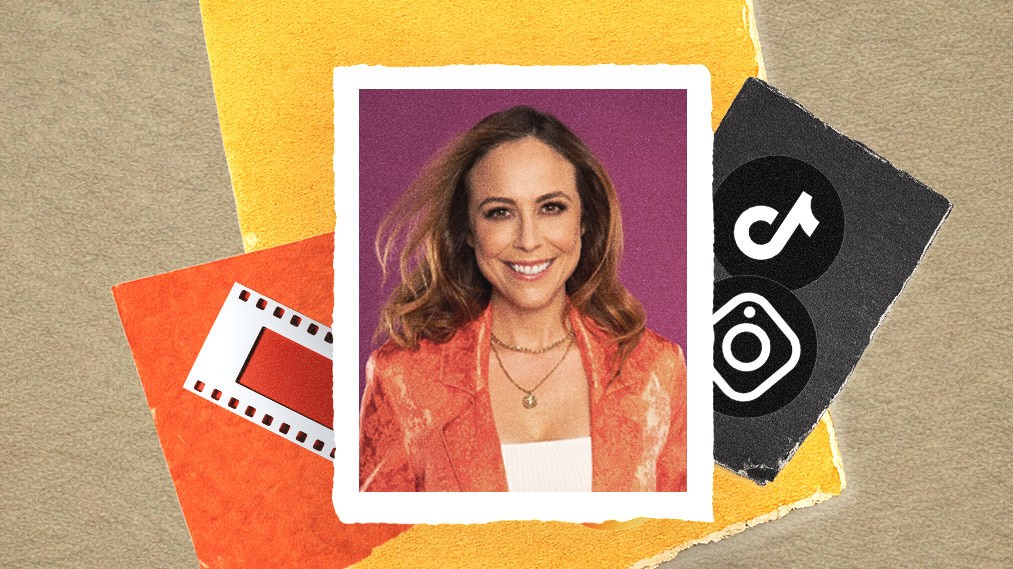
When viral stars began taking off on social media in the early 2010s, Shira Lazar saw a gap: few outlets were making videos about figures like Michelle Pham and Jenna Marbles. She built multi-platform digital media brand What’s Trending to fill it. Fifteen years later, as publishers including CNN, Bustle, and The Washington Post now embrace creator-led media, Lazar is working to scale the business and strengthen the support and protections available to creators.
That early bet came with a bruising setback. Lazar launched What’s Trending, a creator-driven digital media brand with her as the face in 2011, covering internet culture, launched in partnership with CBS News, but the network cut ties after someone at What’s Trending posted an erroneous tweet reporting Steve Jobs’ death. “It was really a heartbreak for me,” Lazar said.
Lazar continued building the show, first for YouTube and then adapted it for new social platforms as audiences shifted. The show is now across YouTube, Facebook, Instagram, Snapchat and TikTok, covering everything from other creators and celebrities to AI scammers and video games.
Recently named one of TIME’s 100 creators of 2026, Lazar is now looking to build on that evolution. The business has expanded beyond publishing into influencer marketing, branded creative services, licensing, distribution, and leadership events. Now, she’s hoping to build a more integrated model that spans editorial, social, data, distribution, and IRL events (What’s Trending has hosted SXSW’s Creatorpalooza, held brand lunches at Cannes Lions, and helped organize AI Creator Day with The Wrap).
Lazar said What’s Trending’s revenue spans platform advertising and brand partnerships to licensing, distribution and events. Annual revenue has ranged from the mid-six figures in a “challenging year” to low seven figures in “stronger years,” largely driven by its lean team of three people (all of whom wear different hats, she says, with them acting as on-camera personalities, editors, social media marketers, and writers) and a lack of significant outside investment or massive infrastructure, she said.
The goal is to build out that infrastructure, so that What’s Trending can scale consistently. That lean team “limited how quickly we could invest in audience acquisition, sales, programming, and new products,” Lazar said.
What’s Trending, which has its own standalone website, has 4 million followers across social platforms, with nearly 2 million on TikTok, and stories generating millions of views during hot-button cultural moments, according to Lazar. Distribution relationships with MSN, GSTV, Spotify, and Screenvision help boost its content beyond traditional social media platforms, though she didn’t share details.
“Shira was early to something the rest of the industry took years to accept: on social, people follow people,” said NowThis CEO Sharon Mussalli. “What’s Trending started with a recognizable host and a point of view, and the platform came second. That’s now how the whole industry works.”
Throughout her 15-year creator journey, Lazar admits she’s faced some ups and downs: the kinds of career struggles and successes that many creators face (from lack of work, to delayed payments, to predatory contracts) with very little understanding of how to weather the storm. That’s why, aside from trying to grow What’s Trending into something scalable, she’s dedicated much of her time to supporting creators’ mental health and labor rights, using her past struggles as inspiration for what needs to change in the space. She also uses her expertise as a paid consultant.
“This workforce is suffering in silence… we all talk about how burnt out we are, how tired we are,” Lazar said. “Peers that are having issues… who went off the face of the planet, just went MIA from the industry, what happened to them? The industry turned a blind eye as if it was normal. It’s not.”
Lazar felt like the creator space would discuss mental health superficially, but provided no solutions or suggestions for its workforce. So she created Creators for Mental Health, an event that turned into several events around the U.S., a comprehensive study of mental health in the creator economy, and Creator Care, which is discounted sliding-scale therapy for creators in California.
This January, she helped launch the Creator Bill of Rights with Representative Ro Khanna, a Democrat from California, a non-binding House resolution introduced last year that seeks to try and support a workforce Lazar believes is “falling apart” due to a lack of foundational protection and support. The bill posits that “creators and digital workers, as a distinct and growing class of small businesses and independent economic contributors, deserve fair treatment, transparency, and economic opportunity in the modern platform-based economy.” It supports access to affordable health care options, transparent revenue-sharing terms, small business resources, and customer support for creators.
Aside from the continued activism in the creator space, Lazar plans on focusing her energy on What’s Trending. “The market is finally ready for the creator-driven media model we began with,” she said.
Musalli said What’s Trending and NowThis signal the creator economy’s maturity and importance in a shifting media landscape. “Creators are becoming media companies, and media companies are learning to think like creators,” she said. “The winners will be the ones who do both well.”


More in Media
How a fashion creator turned audience demand into a 500+ client styling business
A creator with a fashion merchandising degree speaks on her quest to diversify revenue fast, from styling to sweat equity investment.
Forbes looks to Google AI pilot for insights as publishers seek value beyond the click
Forbes has joined Google’s paid News AI pilot that gives Google expanded rights to its content to test new ways of providing readers with context about stories before they click through.

The Verge switches up its audience team to prepare for Google Zero
The Verge has restructured its audience development team to prioritize loyal readers over traffic and page views.