Join us Dec. 1-3 in Nashville for the Digiday Programmatic Marketing Summit
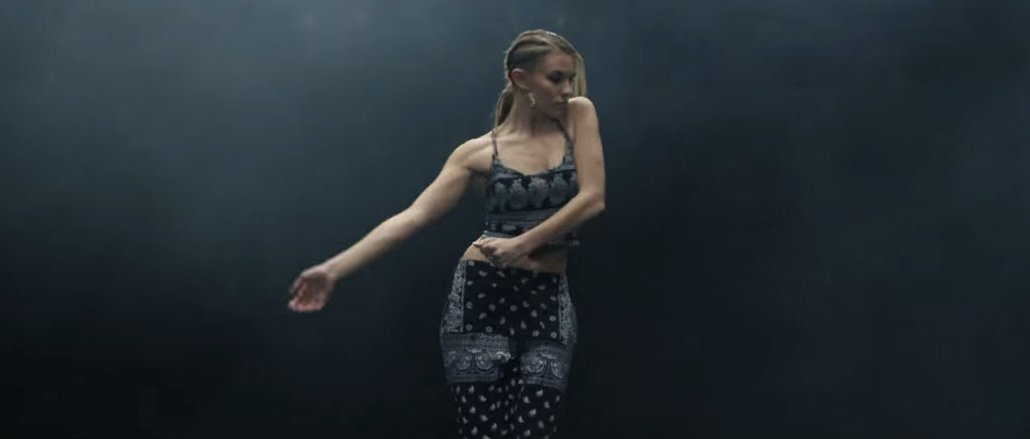
Amymarie Gaertner is a self-taught dancer who’s well-known on YouTube and Vine for her freestyle dance videos. But even with 409,000 subscribers on YouTube and 4.1 million followers on Vine, it doesn’t mean Gaertner has a blank check to do every type of dance video she can dream of.
The fact is, even with hundreds of thousands subscribers on social platforms like YouTube, Vine and Facebook, for most video creators, there are certain types of content that they simply can’t make on their own because of a lack of resources. It’s one reason why these emerging stars often align themselves with YouTube networks such as AwesomenessTV, Maker Studios and Fullscreen. (More-established talent benefit from additional representation by Hollywood talent agencies.)
In recent years, YouTube has also tried to lend a hand by providing various resources to its creators. One such resource is the Field Day channel, which launched in May 2015 specifically to help creators experiment with new types of content and practice making higher quality work.
“For creators, this channel gives them a chance to try something different than what they’ve been able to do on their own platform,” said Andrew Geller, an executive producer at 1stAveMachine, a commercial and digital content studio selected by YouTube to handle production of all Field Day content. “For [Gaertner], it was an opportunity to make a bigger music video.”
Most of Gaertner’s videos have the classic YouTube home-video feel. The production value isn’t always high, but like other stars on YouTube and Vine, it has not stopped her from amassing an audience. However, Gaertner was interested in making something a little more polished. 1stAveMachine paired her with one of its directors, Karim Zariffa, and an original track from DJ Steve Porter. The result was a choreographed performance in which Gaertner has 189 remote-controlled cars as her backup dancers.
The “Dancing with Cars” video has more than 287,000 views on the Field Day channel — and Gaertner has complete ownership over it. In fact, all content produced under the Field Day program does not cost creators anything, and they have complete control over the final product, said Geller. YouTube will exclusively license the video for the Field Day channel for a limited period time, but the creator is free to distribute it elsewhere after the license ends.
Since its May launch, the Field Day channel has accumulated more than 124,000 subscribers and 23 million views. In addition to Gaertner, it’s already featured a broad range of YouTube stars, from the educational (Vsauce’s Michael Stevens, who went to an Alaskan town in which the whole population lives in one building) to two guys who love to blow stuff up in slow motion (The Slow Mo Guys reenacting the extinction of the dinosaurs in — you guessed it — slow motion).
“Creators at all stages benefit from the opportunity to experiment,” said Gwyn Welles, global lead of the creator lab for YouTube Spaces. “For an emerging creator, making a Field Day video may mean working with a bigger budget and more support than usual. For established creators, making a Field Day video could be the opportunity to pilot a great, new idea that wouldn’t fit on their current channel.”
According to Geller, there’s no set number of videos made for Field Day on a monthly basis, or even which creators the channel chooses to partner with. “It’s really organic. We watch a ton of videos and do a ton of talent searching,” he said. “Just eyeing who’s doing really cool things.”
While Field Day is part of YouTube’s “creator insights program,” which serves as a testing ground for ways the company can help its community of stars, the channel is also part of a broader push by YouTube to keep its emerging and established stars satisfied. It’s no secret that online video, which has long been dominated by YouTube, now has many more players — Facebook, Vimeo, Vessel, to name just a few — and many are actively luring YouTubers to make content for their platforms.
YouTube has responded by increasing its investments related to supporting creators. It has opened a growing number of production facilities from Los Angeles to Tokyo and is even fronting cash to help some high-profile creators make original series and films for YouTube Red.
The result, ideally, is happier creators and higher-quality content. Said Geller: “We’re really trying to push to the edge of what you can do on the platform, where a viewer might go, ‘That’s not what we’re used to seeing on YouTube.'”


More in Media

Why CNN International is building for agentic ad market that barely exists yet
CNN International is still chasing its first agent-sold dollar by Q1.

Media Briefing: The transatlantic push to rein in stealth bots is gathering pace
U.S. and U.K. publishers are pushing for laws to crack down on stealth AI crawlers as bot scraping surges and demands for transparency grow.
Creator mentors Colin and Samir want to turn their followers’ ideas into productions
Creator mentors Colin and Samir teamed up with Adobe to fund a creator’s project; the first step towards the duo’s new production era.