Why Coca-Cola has made World Cup TV ads one part of its sports marketing play
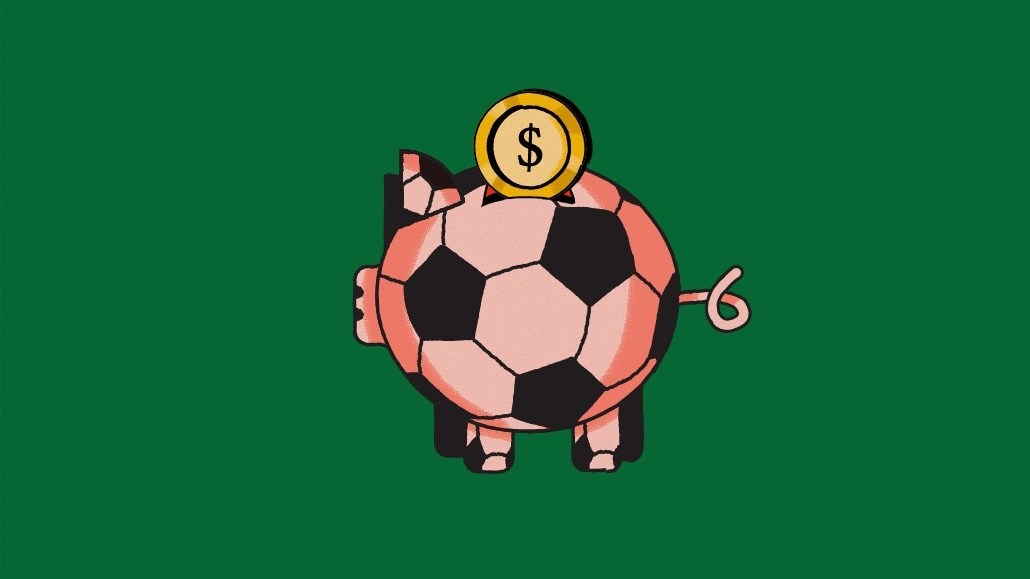
Powerade today launched its big FIFA World Cup 2026 campaign, a social-first “Power Your Fate” movement designed to capitalize on the massive soccer event at both global and local scales.
With involvement from major athletes Lamine Yamal and Rodrygo Goes, and creators like street artist Devon Rodriguez, the campaign highlights how The Coca-Cola Company is taking a broader approach to its sports marketing in 2026.
A TV spot starting Yamal and Goes will run in the lead up to and during the 2026 World Cup, which kicks off on June 11, but Coca-Cola is approaching this campaign from all angles, pulling in local creators and encouraging athletes of all levels to get involved both at World Cup events and on their local soccer fields.
Mickael Vinet, vp global sports, music and entertainment at Coca-Cola, told Digiday that the campaign is meant to empower all athletes, and that inclusivity carries over to distribution.
“It’s a combo of TV, media, and social, and we’ll have it in 50 markets around the world. Each country will have its own dedicated amplification,” Vinet explained.
The campaign, built with modern fan behavior in mind, will utilize platform-native formats, athlete-led storytelling, and creator content to “show up where fans are already engaging,” according to Vinet. That means social media platforms will play a big role, though Coca-Cola did not provide details on how the campaign will play out there.
“It is less about treating social as an add-on, and more about building content that can live credibly across social, athlete, and creator touchpoints from the start,” they added (they could not provide details on how the local athlete activations will look).
Vinet told Digiday Coca-Cola’s investment into social and digital has evolved over the last few years, and that this year the company is investing more into building relationships with content creators, though he did not provide specific figures.
“All the markets around the world will have their own local talent amplify and bring the ‘Power Your Fate’ message to life,” he said. Vinet said the company works with some partner agencies to pull in creators, but also builds direct relationships with them, led by team members who are familiar with the space.
When asked about measuring the value of creators versus athletes in a campaign at this scale, Vinet told Digiday they aren’t directly compared.
“Athletes bring credibility, performance authority, and a strong connection to the brand’s purpose, while creators often bring platform fluency, relatability, and the ability to translate the brand into everyday culture and community,” they said.
Powerade’s 360 approach is a natural evolution of Coca-Cola’s sports marketing strategy, which has included IRL activations at FIFA Fan Fest for years (This reporter still has a Coca-Cola-branded cup from the 2019 Women’s World Cup in Lyon, France). And with more creators involved than ever before, these in-person events provide opportunity for attendees to contribute UGC to the global campaign.
“We believe in the importance of live experiences for the fans as well as the brands,” Vinet said. That belief even extends to athletes — Vinet referenced the company’s presence at this year’s Milan Cortina Olympics, and how athletes were sharing content and engaging with brand activations in the Olympic Village.
“The more we create meaningful experiences for athletes and fans, the more they’ll be willing to share with their audiences,” he explained.
Coca-Cola still believes in the power of a big TV idea, but in today’s market, thinks it works best as part of a broader marketing ecosystem, according to Vinet, who confirmed “Power Your Fate” is a “social-first” campaign.
“Fan attention is far more fragmented than it once was, especially during major live events, where people are often watching with a second screen in hand. That means cut-through comes not just from a single hero asset, but from a connected 360 approach,” they said.


More in Marketing

‘The future is going to be in real life”: IRL events are becoming the new proof point for creator marketing
Plenty of creators are making the same bet, and until recently most of them were the biggest names in the business.
‘We’re all going to live with uncertainty forever’: Advertising Week New York opens amid industry rebuild
Why this year’s Advertising Week New York feels different (yes, we know we say that every year).
Marketing’s upper middle embraces AI creative production
Scaled AI creative production is becoming ordinary among CMOS outside the billion dollar club.