Lock in a year of Digiday+ for 35% less. Ends May 29.
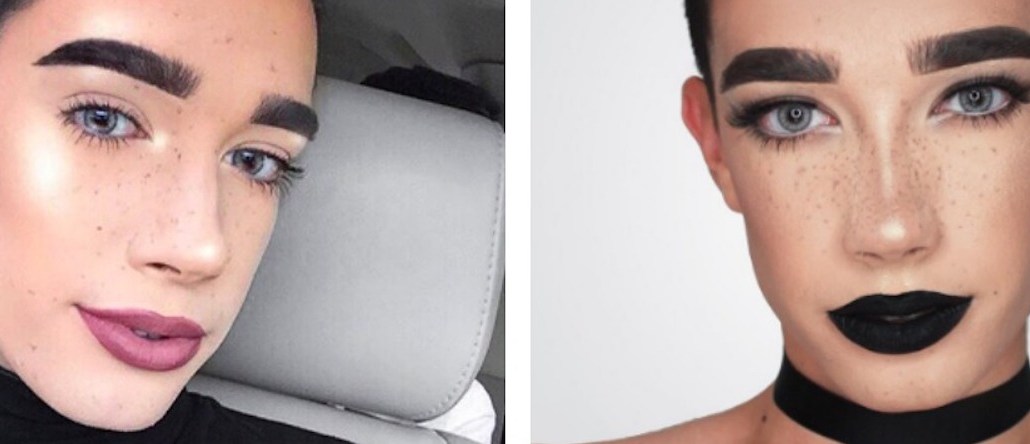
David Yi was working as a writer at Mashable, covering the realm of fashion and beauty, when he started to feel restless.
The 29-year-old was growing dismayed by the lack of discourse in the media about men’s beauty. As his months as a reporter went on, he soon noticed that his pieces on male grooming seemed to generate the most buzz; his stories on topics including runway hairstyles at New York Fashion Week: Men’s and a man who transformed his face using makeup garnered thousands of shares and comments. Yi, who has always been passionate about such topics, was keen to foster a dialogue on his own terms — thus his men’s beauty blog, Very Good Light, was born.
Yi is part of a growing movement of men’s beauty influencers who, along with brands seeking to tap an emerging market of male consumers, are aiming to normalize men experimenting in beauty practices oft relegated to women. Today, discussions about grooming and skincare that were formerly carried on in anonymous chat rooms — or never talked about at all — are not just readily accessible, but they’re also embraced on blogs, YouTube channels and even major marketing campaigns. To read the rest of this story, please visit Glossy.


More in Marketing

TikTok Shop says sales from U.S. small businesses climbed 66% in 2025
U.S. small businesses on TikTok Shop increased sales by 66% in 2025 compared to the year before.

Walmart warns it may have to raise prices due to fuel costs
The possibility comes as higher fuel prices are already putting pressure on household budgets.

OpenAI gives ChatGPT ads a visual upgrade
OpenAI is building on its single ad format to include some new iterations that give advertisers more optionality over their appearances.