Secure your place at the Digiday Media Buying Summit in Nashville, March 2-4
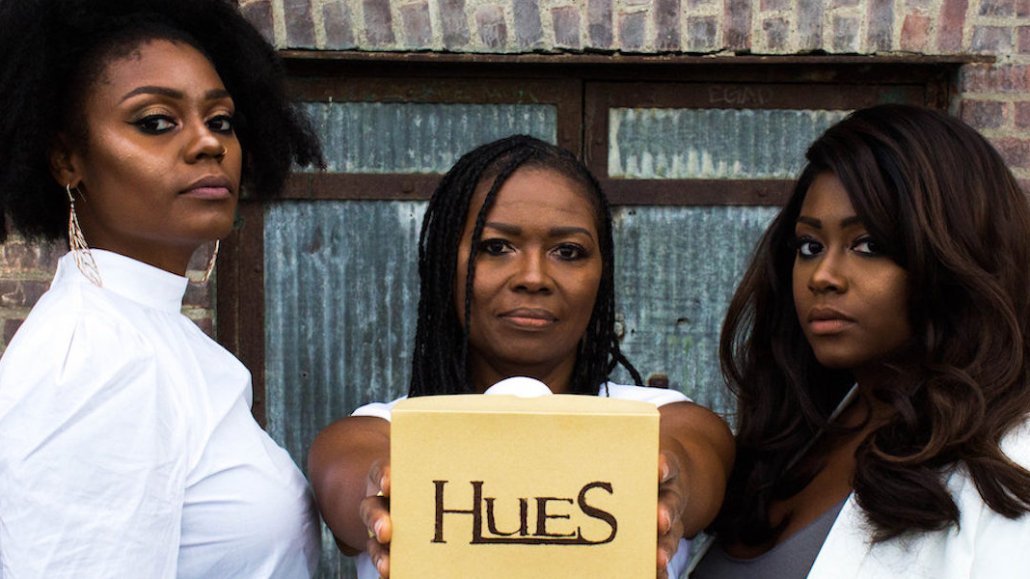
“To any dark-skinned ladies, which beauty boxes have worked well for you?” wrote Reddit user @syd_shep on the site’s dedicated Beauty Box thread six months ago. Up until recently, the answer likely would have been none, but the last year or so has seen a widely welcomed rise in subscription boxes that cater to women of color. Companies like Hues Box, Cocotique, The Ebony Box and Onyx have entered the market to fill a void previously stocked with products strictly for light-skinned, straight-haired women.
“People are starting to be vocal about what they’re not getting from subscription boxes,” said Jasmine Harris, a college professor who launched Hues Box in November of last year with her mother and younger sister. “Previously, since it was a new business model, everybody was focusing on what you were getting. Now, as it loses its novelty and we start to really dissect it, we see what it’s missing.”
Once-popular subscription services like Birchbox and Ipsy have come under fire as a result, with customers regularly highlighting their blindspots on social media, as Racked explored in-depth in July. Complaints range from being sent items that subscribers specifically asked not to receive again, to women of color receiving products like bronzer and dry shampoo that they have no use for.



More in Marketing
Thrive Market’s Amina Pasha believes brands that focus on trust will win in an AI-first world
Amina Pasha, CMO at Thrive Market, believes building trust can help brands differentiate themselves.

Despite flight to fame, celeb talent isn’t as sure a bet as CMOs think
Brands are leaning more heavily on celebrity talent in advertising. Marketers see guaranteed wins in working with big names, but there are hidden risks.

With AI backlash building, marketers reconsider their approach
With AI hype giving way to skepticism, advertisers are reassessing how the technology fits into their workflows and brand positioning.