Join us Dec. 1-3 in Nashville for the Digiday Programmatic Marketing Summit
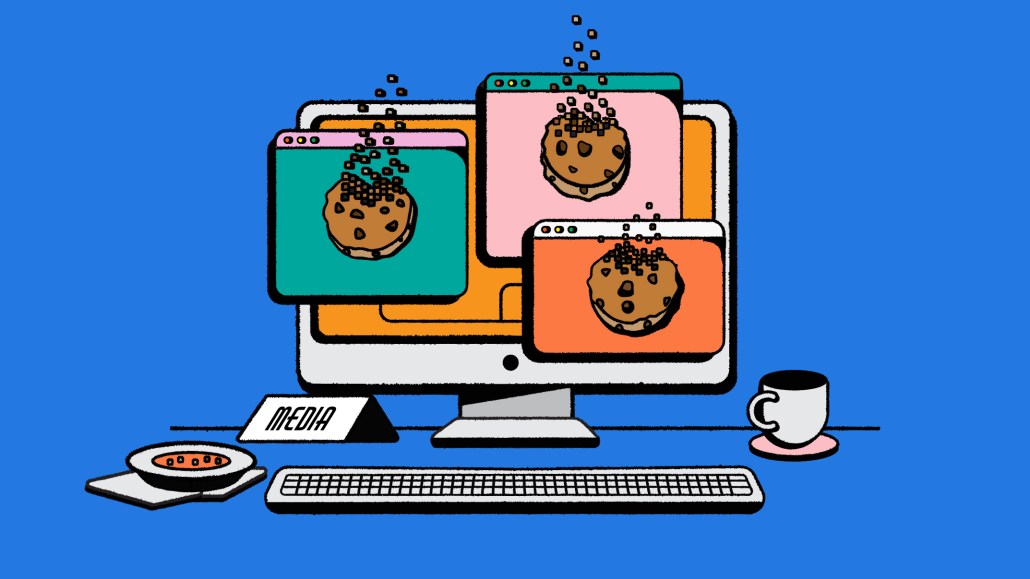
Digiday+ Research: Apple, Google stand to win with the end of the third-party cookie, the list of who will lose is longer
This research is based on unique data collected from our proprietary audience of publisher, agency, brand and tech insiders. It’s available to Digiday+ members. More from the series →
There are still a lot of questions surrounding the impending end of the third-party cookie — including who stands to benefit from the move and who will likely be left scrambling to adapt. Digiday+ Research asked agency and brand executives for their predictions and found that the industry anticipates more losers than winners.
Digiday surveyed 146 agency and brand professionals in April, and they identified two potential winners out of a group of seven — Apple and Google.
To be exact, more than half (54%) of respondents said Apple stands to gain a little to a lot from the end of the third-party cookie. Meanwhile, Google’s winning margin was a bit smaller — around a quarter of respondents said the tech giant will gain a little (23%), gain a lot (27%) and even lose a little (23%).
The list of those brand and agency execs said stand to lose following the end of the third-party cookie was much longer, Digiday’s survey found. According to respondents, Facebook, vendors, advertisers, publishers and agencies are among those who will be hurt by the death of the cookie.
Twenty-two percent of respondents said Facebook will lose a little with the end of the third-party cookie and 33% said the social platform will lose a lot. Agency and brand pros think advertisers will lose the most — 76% said they’ll lose a little to a lot — followed by publishers (63%), vendors (59%) and agencies (50%). It is worth noting that 32% of respondents said agencies will neither gain nor lose.
As we’ve said, questions still remain (read more of Digiday’s coverage on that). But the industry is heading straight for the third-party cookie’s retirement at the end of next year. Clearly, there is a good deal of self-awareness among agency and brand pros about the realities of the post-cookie world – even if there is still a lack of a concrete plan regarding what will replace the third-party cookie.


More in Marketing
In Graphic Detail: What Apple’s identity block means for the ad money
How Apple’s identity block hits publishers’ wallets, and why Apple can afford it.
Anthropic’s ad bill is soaring, according to IPO filing
Anthropic’s IPO filing shows an ad-free AI company with a fast-growing ad bill.

Salesforce’s $5.7 billion Braze deal puts marketers at an ecosystem crossroads
The deal promises faster, more connected marketing, while raising questions about vendor lock-in and how brands stand out as AI automates campaign execution.