Brands look to experiential marketing as antidote to AI slop, digital fatigue
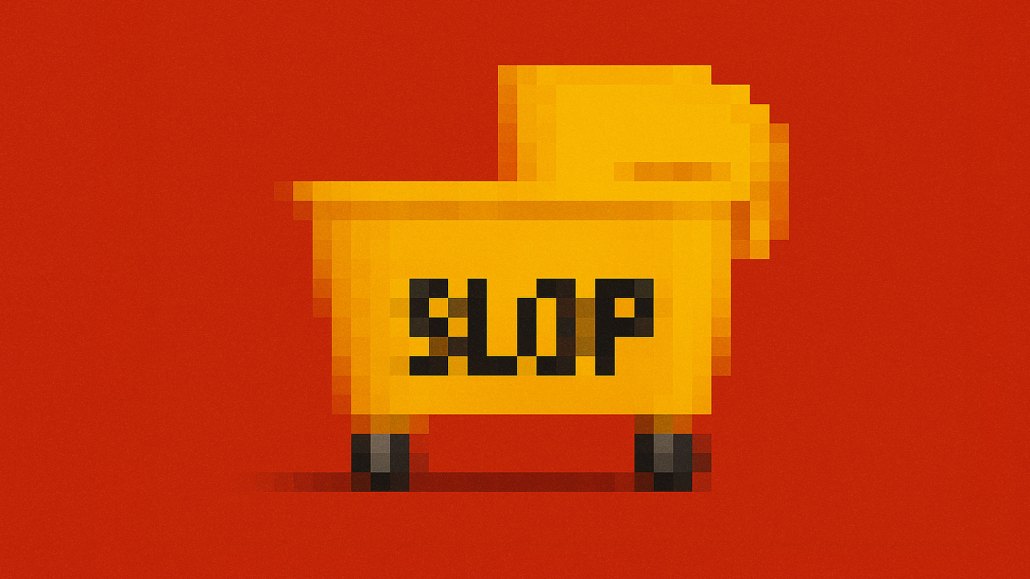
It’s getting more difficult for brands to stand out online thanks to an algorithmic-induced fragmented digital landscape. Plus, the rise of so-called AI slop hasn’t helped. But brands like Zoom and Duolingo are retooling their marketing strategies to prioritize things like influencers and IRL events as a potential antidote.
Already, the internet is saturated with content from brands, creators and users. A phenomenon known as digital fatigue has been mounting, in which users start to prioritize more authentic, human-like connections, three marketers told Digiday.
“If you think about the old playbook — which is, brands should behave on social like any other user, and try to participate in trends and things like that — people are blind to that now,” said Noah Mallin, founder of Mallination, a marketing consultancy.
The rise of so-called AI slop
The low-effort, mass produced, AI-generated content, known as AI slop, has entered the cultural zeitgeist as of late, likely fueling fatigue. In fact, 21-33% of YouTube’s feed may consist of AI slop or brain rot videos, defined as “compulsive, nonsensical, low-quality video content,” according to video creation platform Kapwing. Of Gen Z adults, 81% said they wish they could disconnect from digital devices, according to a recent white paper from The Harris Poll, presented by Quad.
With generative AI tools like OpenAI’s Sora, it has gotten easier for anyone and everyone to produce content, and more difficult for consumers to decipher what’s real. While some brands, like Coca-Cola and Popeyes, are investing in generative AI-powered creative, other marketers say the rise of AI-generated content could erode consumer trust, and expedite digital fatigue.
“A brand has to drive connection to the customers, and AI is accelerating the need for experiential touch points for community orientation, for customer voices and influencer voices to be amplified,” said Kimberly Storin, chief marketing officer at Zoom.
Zoom is spending more time showing up at in-person industry events and hosting experiential activities, like dinners. While Storin did not offer specific figures for Zoom’s experiential marketing budget, she did say the company “will have to make investments in some things that feel uncomfortable for CFOs — the things that are harder to measure,” like brand marketing and experiential.
Meanwhile, Jennifer Jasnoch, director of marketing for home entertainment at Sony, said the brand plans to slightly increase its experiential marketing spend in 2026, without providing exact figures. There’s less concern about AI slop and more concern with authentic storytelling to build long-term connections with shoppers in a fragmented digital landscape, per Jasnoch. Sony has spent the past year sending movie night kits to influencers as an experiential marketing campaign.
Flocking to IRL events as the antidote
Marketers also fear AI slop could make it harder for brands to control their own narrative, said James Kuczynski, senior creative director who heads up the global brand studio at Duolingo.
“It can allow anyone else to take it [brand IP]. And that’s why a lot of brands are now starting to flock to IRL events,” he said.
Case in point: Back in November, Coca-Cola’s holiday ad was spoofed to insinuate drug usage. The video has racked up more than 2.3 million views on X. (Coca-Cola did not respond to a request for comment about the spoof.)
Although it’s a “social-first brand,” as Kuczynski puts it, Duolingo has been building on its experiential, in-person event strategy year-over-year. The language learning app last August hosted a pop-up with merch, interactive games and a photo op with Duo the Owl. Duolingo has also spent more time showing up at in-person events like concerts and Comic-Con, Kuczynski added, without providing spend figures.
Increasingly, brands are looking to do more experiential and in-person events as digital fatigue mounts and AI slop rises. Seven in 10 marketers plan to increase investment in physical touchpoints, according to a new report from ANA and The Harris Poll, as cited by eMarketer.
In early December, Nike and Urban Outfitters hosted a giant bounce house in New York City. At the same time, drink brand Vita Coco hosted a two-day experience in NYC with merch, and interactive photo moments.
Expect the trend to continue as the digital landscape only gets more convoluted, per Mallin. He said, “A lot of what’s driving that [experiential marketing] is, especially for younger people, the making an event out of what you’re doing and having it stand out — very hard to do that across social.”


More in Marketing
Walmart Connect pitches brands directly as it pushes lift studies ahead of holiday ad deals
Walmart Connect is using lift studies to prove ad performance directly to brands ahead of the holidays, signaling a tighter race with Amazon.
Target’s holiday push stresses affordability, exclusives and an AI assistant
Target is also rolling out an AI-powered assistant called Ask Target on Target.com and the Target app.

Indie agencies want The Trade Desk and Amazon DSP to acknowledge their buying power with negotiating leverage
Indie agencies say DSP giants block direct seats and fee relief despite spend commitments.