Join us Dec. 1-3 in Nashville for the Digiday Programmatic Marketing Summit
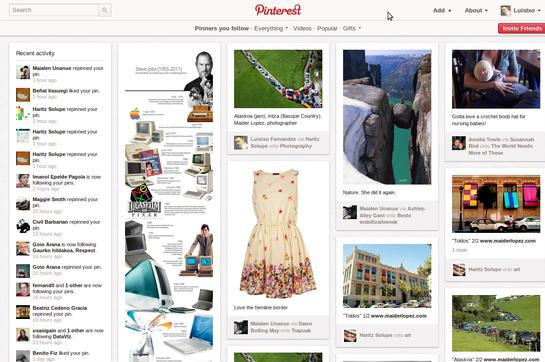
Pinterest is the latest digital darling. The Web pinboard, where users collect photos of inspirations, has grown to over 11 million users in just nine months. Naturally, it’s in for a backlash. The Achilles heel of the site, like many platforms, is that it isn’t exactly a copyright owner’s dream. The Awl’s Choire Sicha points out that Pinterest’s model is in for a bruising. His argument that the reason no one’s come knocking on the current social-media darling’s door is because photographers have a terrible lobbying group. Which is to say, they don’t have a lobbying group. Pinterest is all fun and games until it attempts to make money beyond the affiliate links it’s using.
One of the problems with this innovative and cool approach by the Wall Street Journal to writing about Pinterest by writing about Pinterest on Pinterest (and it is!) is that there you can’t address that, more than early Napster, more than Megaupload, more than any government-seized hip-hop blog, Pinterest is chock full of copyright infringement. It’s just that, unlike with music and movies, there’s no dumb and hostile industry lobby that represents, say, “every photographer everywhere.” If there was ever a place on the Internet that made you think SOPA was a good idea, it’d be right here! But there is, in the Journal itself, a spiffy little paragraph that says that Pinterest has found that being a website based on publishing other people’s photographs hasn’t “been a significant issue so far.” (They also mention the user agreement, which straight-up says they can sell and “modify” “your” “content.”) In better news, the Journal completely avoids the six deadly sexist traps of writing about Pinterest.
Read Sicha’s post at The Awl. You can follow him on Twitter @choire


More in Media

Creators say it’s difficult to make money from news — with platform rules and brand guidelines
With more people getting news from creators than traditional media, those creators are still trying to build sustainable businesses.

Why CNN International is building for agentic ad market that barely exists yet
CNN International is still chasing its first agent-sold dollar by Q1.
Media Briefing: The transatlantic push to rein in stealth bots is gathering pace
U.S. and U.K. publishers are pushing for laws to crack down on stealth AI crawlers as bot scraping surges and demands for transparency grow.