Join us Sept. 14-16 in Miami to connect with top publishing leaders
Funny or Die, the humor site started by Will Ferrell and Adam McKay in 2007, established out of the gate with “The Landlord” that it knew two things: how to be funny and how to get stuff shared. (“The Landlord” was viewed some 79 million times.)
Now, five years on, the company is carving out a niche as a go-to source for brands looking to tap into that nexus of funny and shareable. It’s worked with brands from Skittles to Irish Spring to Under Armor on brand videos that bring the Funny or Die sensibility to often-staid corporate marketers.
Early this year, for example, Funny or Die worked with Pepsi and the Barbarian Group to create a digital component to the soft drink’s Pepsi NEXT campaign. Funny or Die and The Barbarian Group came up with an idea called the Internet Taste Test, where, through a Facebook app, people could sign up to have a comedian do an impression of them based on the information the give. Pepsi reviewed the profile submission and selected the most interesting characters.
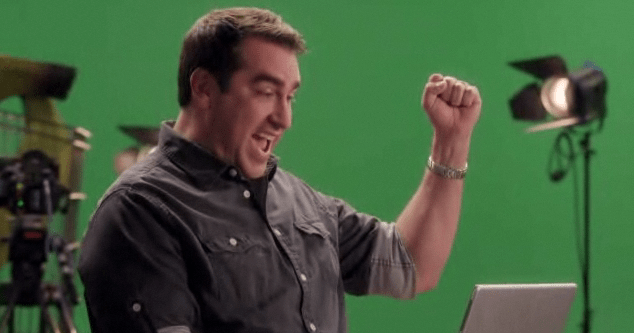
To kick things off, comedians did impressions of Internet notables, including Buzzfeed’s Jonah Peretti and Web celebrity Gary Vaynerchuck. Rob Riggle’s Internet Taste Test has more than 1.8 million views on Funny or Die, as well as 60,000 views on YouTube. More than 5,000 submissions led to about 500 videos, which Funny or Die helped create. Over two three-day periods and one one-day period, they shot an average of 60 videos per day.
“The quality of the creative is king, and no matter how much money you throw at it, it doesn’t go viral until it goes viral. We wanted to bake digital into the DNA of the brand,” said Joshua Nafman, digital marketing manager at Pepsi. “We wanted to give it a chance, which is why we went to Funny or Die. They collaborated with us to pull it all together to make some great creative. They have expertise in funny, Barbarian Group are experts in creative, and we have expertise in the brand and consumer.”
Projects like this are the way publishers stand out in a sea of banner-ad sameness. Funny or Die has a sales team of about 12 people who not only sell media on the site but also work with advertisers and agencies to get brands thinking about branded entertainment. After a client signs on, a brand will work with Funny or Die’s creative services team, 15 people who are writers, directors, producers and editors who come out of the creative community, not the ad world.
“It’s not that far of a shift to work with agencies and brands on their campaigns,” said Chris Bruss, vp of branded entertainment at Funny or Die. “From a creative standpoint, people unencumbered from that background, that balance allows us to be a successful partner with brands.”
This is a move several publishers are making. Think how Buzzfeed creates viral nuggets for its brands. The goal isn’t so much to be an agency but to augment what agencies do. As a top marketer recently told Digiday, the ideal agency would gather together top talent that can make things rather than just make things itself.
“We’re a creative agency, but partnering with Funny or Die made it a million times better,” said Colin Nagy, executive director of earned media at The Barbarian Group. “We would have had to source other comedians that we had to vet. Funny or Die helped us up the quality quotient. They got the creative idea, had access to the actors, and they also have a media platform that can help put stuff out into the world.”


More in Media
Location data fuels mall giant Simon’s new pitch to advertisers
Simon is letting brands target shoppers in its malls in other environments and use new measurement tools based on Simon’s consumer data.

Why brands are turning to older creators for authenticity AI can’t fake
Millennial and Gen X content creators offer consistency, authenticity, and storytelling; three things brands need now more than ever.

The Telegraph’s next podcast play: video, events and paid memberships
The Telegraph is expanding its video podcast strategy into franchises spanning events and paid memberships to deepen audience relationships.