Join us Dec. 1-3 in Nashville for the Digiday Programmatic Marketing Summit
What we’ve learned from the creator snafus at this year’s US Open
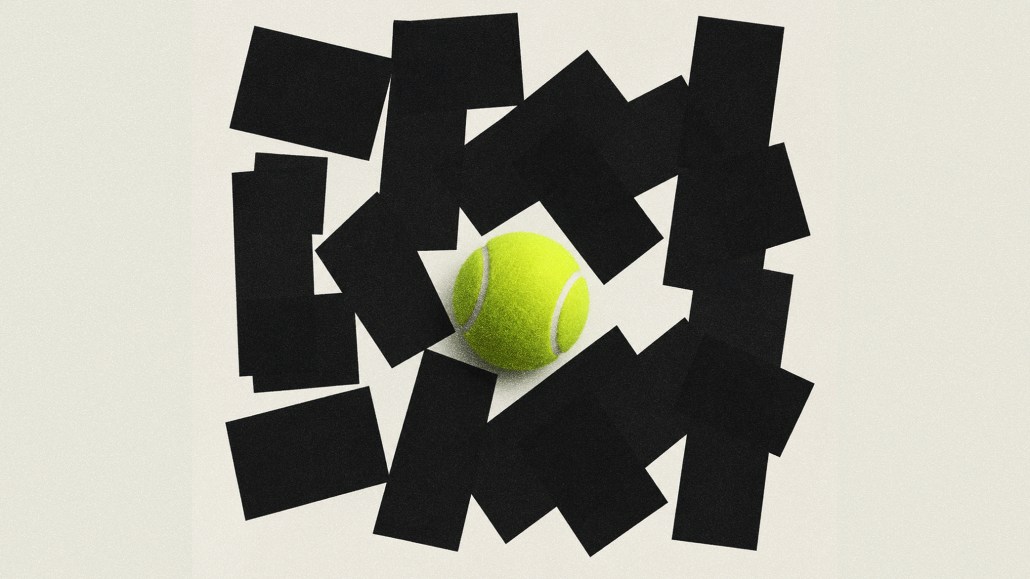
The tennis US Open drew massive crowds to New York-based stadiums and record views in the last week. For example, ESPN’s opening day coverage was up 13% YoY. But the 2026 U.S. Open also put a major spotlight on how fans think creators should participate in these sporting events.
This year, the United States Tennis Association (USTA) invited around 100 credentialed creators to attend matches. That’s nearly double the amount of creators invited in 2025, the first year USTA launched its creator cohort, which gave the program structure: instead of creators attending solely by way of brand tickets and invitations, it gave creators credentials and brands a list of attending creators. USTA was quoted last year saying the cohort generated more than 5.5 million social engagements.
But there’s been some serious backlash. During Naomi Osaka’s opening match on August 31, play was temporarily stopped after several people in a hospitality suite took flash photos during play. A viral video showed a woman using a ring light to take pictures of herself mid-match. ESPN reported the creators in question were not USTA credentials, but that didn’t take the heat off creators.
Tennis champ Osaka was asked about the conduct after her opening match, saying people attending should “respect the sport” and read up on the etiquette. The Daily Mail said influencers were killing the U.S. Open. Posts lambasting creators at the event went viral on X.
But creators offer brands and sports leagues a chance to court an entirely new audience. FIFA gave TikTok and YouTube creators unparalleled access to stadiums and matches during the 2026 World Cup, and their content outperformed celebrity endorsements and drove conversation.
The six marketing execs and creator agents Digiday spoke with agree the backlash is mostly an overreaction, but that there are some key learnings.
Etiquette, etiquette, etiquette
When it comes to bringing creators to events, brands need to do their homework.
The relationship with a creator “should go beyond just deliverables and talking points,” said Cayley Stonehouse, Gupta Media’s senior social media strategist. “It should include the rules of the sport, etiquette, when and where they should be capturing content and what’s expected of them while they’re there. Tennis is obviously not a sport like soccer or football where it’s super rowdy all the time.”
Stonehouse said it’s up to the brand to brief creators, and that it doesn’t always happen. The US Open serves as a reminder that it should, ahead of every event.
“[The controversy] will shed light on the conversations that need to be had in this particular event about what is appropriate,” said Curtis Midkiff Jr., director of social media marketing at sprout social.
Becky Owen, CMO of social agency Billion Dollar Boy, said they hold creators to a very high standard at sporting events. “We mandate strict etiquette protocols that protect the craft of the athletes and the experience of paying fans,” she said.
Gabby Gamad, coo and co-founder of influencer marketing agency LV8, said brands need to provide clear etiquette rules, but avoid being “restrictive.” “It should give creators enough context that they can be creative without negatively impacting the athletes, fans, the experience for others and the event itself,” she said.
Don’t make it a spectacle
The US Open has a much different vibe than the World Cup, so brands and the creators they’re working with have to understand exactly how to show up. Expanding the fandom is crucial, especially for organizing bodies like the USTA or brands that are inherently tied to tennis, but steamrolling the existing enthusiasts could damage the sport’s reputation, experts say.
“How do we ensure that the gameplay is still the main attraction, how do we make that the value for other communities that may not have been there, rather than the spectacle that it is?” These are the questions Beni Brown, global director of strategy at creator marketing agency Buttermilk says brands should be asking.
“It’s about the purpose and the story behind it. If tennis in the US Open turns into a spectacle, you’re going to lose that enthusiast, that always-on loyalist that has been there before,” she continued.
Brown said there’s power in brands teaching potential new fans about the sport, especially when compared to something as easily understood as soccer and this year’s World Cup. If done right, activations and social pushes can keep the focus on the game, and layer a brand story on top of it.
“The backlash comes when it stops being about the game,” Brown explained.
Bring the right creators
Not every creator works at every event, and the US Open is a stark reminder of that.
“I don’t think the solution is fewer influencers at events like this,” said Emily Steele, CEO and co-founder of creator marketing platforms Hummingbirds. “It’s the right influencers who have a relationship to what they’re covering, not influencers who were dropped in for the weekend.”
Midkiff Jr. joked that a clever way to respond to the backlash is to bring etiquette creators to future tennis events.
Stonehouse told Digiday it’s not about choosing a creator with the highest follower count, but being hyper selective to ensure they’re the right fit.
Stonhouse referenced two tennis-related creators: Paige Paul, wife of tennis player Tommy Paul and Morgan Riddle, who once dated tennis player Taylor Fritz.
“By breaking down barriers to tennis with accessible rule explainers, style guides, and behind-the-scenes vlogs, [Riddle] rebranded the circuit into ‘the chicest sport in the world,’ bringing entirely new demographics into the fold,” Owen said.
Riddle’s “get ready with me” TikTok ahead of the 2022 Australian Open has more than 1.1 million views at the time of writing. She currently has half a million followers on the platform, and more than 27 million likes.
She told Digiday they build creator campaigns at sporting events around three non-negotiables: “genuine affinity, explicit briefing, and active on-the-ground management.”
Brands shouldn’t (and won’t) stop bringing creators to these events
Those who spoke with Digiday said that creators are crucial to growing a sport like tennis — even more so than other more accessible sports. They agreed that creators aren’t going to go away just because of backlash.
“There’s a tiering of sports and who can enter… basketball, football, soccer, accessibility is already built into the sport,” Brown said. “Tennis, golf, F1, they come from places where you don’t get in unless you’ve gone to a private school, the tickets are outpriced so a certain type of person can attend.”
Jess Dashner, director of media strategy and operations at Gupta Media, said creators are the fans’ eyes and ears at games, offering an entirely different experience compared to watching it on TV. That’s invaluable for the sport, and for advertisers.
There is going to be tension and disdain. It happened with F1, it happened with Coachella, with bringing these new voices in to open up the communities and demographics,” Brown said. “It’s less about accessibility and more about how we are creating taste along the way, that’s where the balance will have to be found.”


More in Media
Creators say it’s difficult to make money from news — with platform rules and brand guidelines
With more people getting news from creators than traditional media, those creators are still trying to build sustainable businesses.

Why CNN International is building for agentic ad market that barely exists yet
CNN International is still chasing its first agent-sold dollar by Q1.
Media Briefing: The transatlantic push to rein in stealth bots is gathering pace
U.S. and U.K. publishers are pushing for laws to crack down on stealth AI crawlers as bot scraping surges and demands for transparency grow.