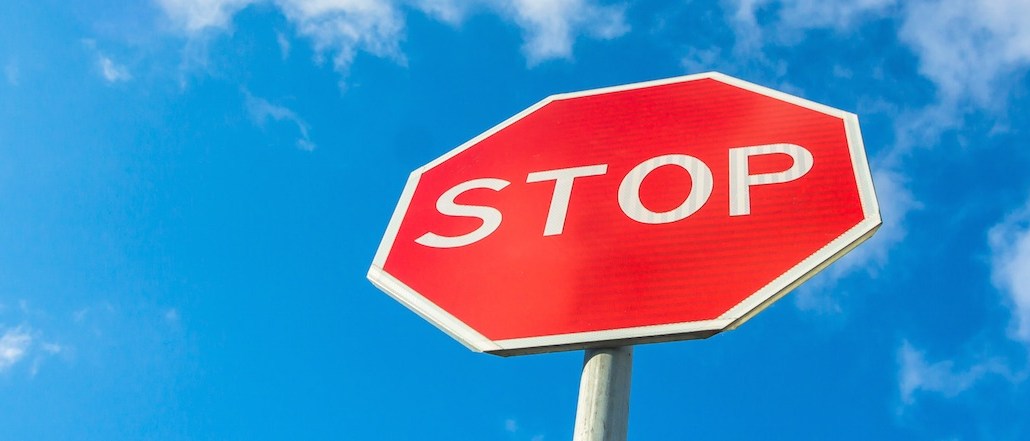
The adblockalypse has begun.
Just one day after Apple released iOS 9 into the wild, users are flocking to the App Store and downloading adblockers. According to AppAnnie.com, three of the top five paid apps are adblockers — meaning people are paying from 99 cents to $2.99 a download.
Taking the top slot is Peace for $2.99, built by Instapaper creator Marco Arment, who was fed up with how many trackers are loaded on to the Web. So, he writes, Peace aims to “bring peace, quiet, privacy.”
As for the other apps, Purify Blocker is settling into third place, Crystal is in fourth and Blockr placed at 13th place. Three of the apps, except Purify Blocker, rank in the top three slots in the Utilities category, too.

For publishers, this looks like bad news since they rely on advertising to create the free content people crave, as well as the shows people are willing to pay for this.
EMarketer forecasts that mobile ad revenue will top $68 billion and the number of smartphone owners will surpass 2 billion next year, so even blocking a fraction of that could be detrimental to a media company’s already fragile bottom line.
Still, downloads of iOS 9 — the first Apple operating system to let people block ads — are only at 11 percent. That’s “way below” the initial adoption rates of iOS 8 and iOS 7, CNet reports. Yesterday’s release was plagued with problems possibly delaying people’s downloads.
Judging by the numbers, publishers should consider this as a head start.
Image via Shutterstock


More in Media

Creator mentors Colin and Samir want to turn their followers’ ideas into productions
Creator mentors Colin and Samir teamed up with Adobe to fund a creator’s project; the first step towards the duo’s new production era.

How a fashion creator turned audience demand into a 500+ client styling business
A creator with a fashion merchandising degree speaks on her quest to diversify revenue fast, from styling to sweat equity investment.
Forbes looks to Google AI pilot for insights as publishers seek value beyond the click
Forbes has joined Google’s paid News AI pilot that gives Google expanded rights to its content to test new ways of providing readers with context about stories before they click through.