Join us Dec. 1-3 in Nashville for the Digiday Programmatic Marketing Summit
Advertising Week is coming up and I know you’re busy. That’s why I found the most interesting digital news out there and aggregated it down below for you. You’re welcome.
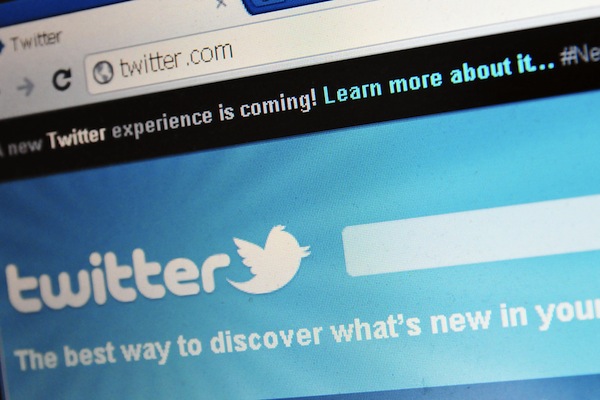
Luxury brands are in no rush to adopt the Twitter redesign. Makes you wonder if this is less of a resource and design issue than it is a conscious decision and preference for the older version. (L2 Think Tank)
Amazon is getting kicked to the curb by retailers like Walmart and Toys R Us. That means that the tablet market is in a level of maturity right now where “good enough” isn’t going to cut it. The Kindle Fire was never known for a superb user experience and that’s why brands and retailers haven’t been rushing to develop apps and Kindle-specific sites. As a result, consumers may now rethink buying Kindles this holiday season. (AdAge)
Online video advertising is growing and the reason is simple. Consumers are increasingly watching television shows and movies online, and the advertising dollars are following, finally. (Unruly)
Being focused and consistent seems simple enough, but it’s often something that brands don’t stick to with their digital marketing strategies. With the influx of social media usage and brands marketing via social media platforms, this need to be focused and simple is even more of an imperative. (The Kmiecs)
Marketers still don’t know what they’re doing when it comes to mobile. It’s been five years since the launch of the first iPhone (mobile’s tipping point, so they say) and every year since then has been “the year of mobile.” But seeing ads on subways with a text message call to action or a QR code slapped on a billboard that’s 100 feet away, makes me think that it’s not the year of mobile at all. That’s sad. (Mobile Marketer)


More in Media
The Hill adds interactive election tools to subscription offering ahead of the midterms
The Hill is betting on interactive subscriber-only features to help grow its new subscription business ahead of the 2026 midterms.

The Daily Mail tests GEO with brands ahead of AI visibility product
The Daily Mail is running around a dozen GEO tests to work out what works before turning its AI visibility offering into an official product early next year.

Meta delays rollout of updated commercial terms amid publishers’ collective pushback
Meta’s updated commercial terms have galvanized publishers into a coordinated pushback over the company’s use of their content.