
Your selfie obsession is going to start costing you — literally.
Thanks to a new social media initiative and site called “Selfie Police,” people can start trolling their friends to cough up $1 every time they post a selfie on social media. And the profits go to a good cause, so everyone wins.
Chas Barton and Dustin Locke, the two co-founders of Selfie Police, came up with the idea as part of a creative challenge competition while studying advertising at Brigham Young University in Utah.
The creative brief for the competition was for students to come up with a way to make Vittana, a charity organization that helps provide college loans to students in third-world countries, relevant to millennials.
“The millennial generation is typically difficult to get to donate money, so that’s what the creative challenge was all about,” explained Locke. “With no budget and no resources, to change the way that millennials think is hard, so we figured let’s just use something they are already doing and let them be charitable with that — because everyone wants to be charitable; it’s just that a lot of people don’t have time.”

Taking selfies is certainly something that millennials are already doing. There are more than 35 million photos on Instagram tagged with the hashtag #selfie according to this infographic from eBay Deals, and The Oxford English Dictionary even declared “selfie” the word of the year for 2013 because frequency of its use shot up 17,000 percent that year. Selfies are such a part of today’s youth culture that not even funerals are off limits.
Selfie Police is a call to action for everyone to become enforcers. The way it works is you publicly call people out for their selfies — on Twitter, for example — and then direct guilty party to selfiepolice.org to pay a $1 fine/donation. The prewritten messages you can send them range from nice (“OMG you are so beautiful! And nice! That’s why I knew you would pay up at selfiepolice.org #selfiepolice”), to snotty (“Thanks for that selfie I almost forgot what you looked like! Looks like you owe a dollar to the #selfiepolice”) to downright mean (Eh, nice selfie. Use a better filter next time so I can’t actually tell what you look like. Pay up at selfiepolice.org #selfiepolice).
“We like to talk about tension in advertising and latching in to cultural tension, and I know there is an insane amount of tension around selfies,” said Locke. “People don’t know what to think about it — people do it for validation; people wonder, is it cool or not cool, whether its something they are allowed to do or if it’s vain.”
So far, Selfie Police has raised $1,403 for Vittana, and the site has gotten more than 34,000 visits since it launched Tuesday. If you are sick of people sharing their filtered, posturing self-portraits, you now have an excuse to call them out — all while helping a good cause.
“Now,” said Locke, “people can at least say they are taking selfies for charity if they are the ones who are vain and like to do it a lot.”


More in Media
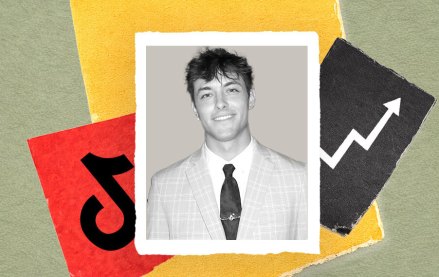
How a ‘TikTok doctorate’ made 26-year-old Griffin Johnson a venture capitalist
Griffin Johnson made it big on TikTok back in 2019, now he runs a VC firm and uses his marketing expertise in the Derby world.

Media Briefing: Publishers debate the value of AI licensing and GEO
Publishers may be gaining visibility in AI search, but execs say the lack of traffic and licensing revenue is raising doubts about the payoff.

Meta’s bid to woo creators to Facebook just might work, despite its recent legal woes
Meta’s recent legal woes likely won’t deter creators from trying out its new Facebook Creator Track, according to marketing experts.