Join us Dec. 1-3 in Nashville for the Digiday Programmatic Marketing Summit
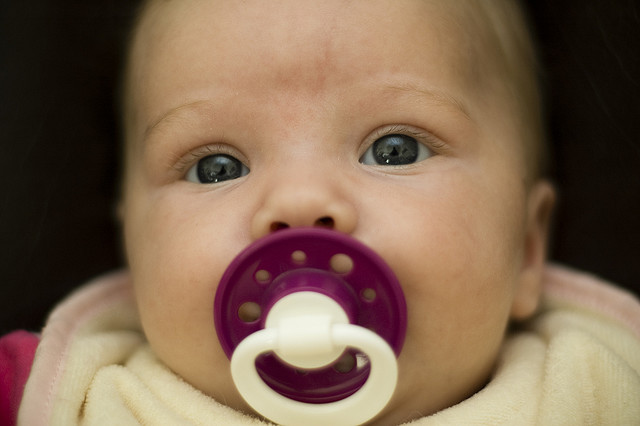
It has become a normal part of parenthood to share the experience online, whether it’s photo’s of the baby’s first bath, a video clip of a child’s first words, or a status update about a diaper situation. Babies are on Facebook long before they know what the social Web is. Steven Leckart, a new parent himself, isn’t sure if that’s a good thing. As he writes in his article for The Wall Street Journal, “The Facebook-Free Baby,” he is making the decision not to put his baby on Facebook so that his child can make the choice if and when to create an online identity. Leckart explains:
As more of Gen-C begins having kids, I suspect they’ll agree. In the last decade, we’ve watched parents embrace social media, often too much. I call it “oversharenting”: the tendency for parents to share a lot of information and photos of their kids online. Sure, there’s a big difference between announcing your baby’s first crawl and details of your dirty-diaper duty (or worse). But it’s a slippery slope.
Read the full article here.


More in Media
The Hill adds interactive election tools to subscription offering ahead of the midterms
The Hill is betting on interactive subscriber-only features to help grow its new subscription business ahead of the 2026 midterms.

The Daily Mail tests GEO with brands ahead of AI visibility product
The Daily Mail is running around a dozen GEO tests to work out what works before turning its AI visibility offering into an official product early next year.
Meta delays rollout of updated commercial terms amid publishers’ collective pushback
Meta’s updated commercial terms have galvanized publishers into a coordinated pushback over the company’s use of their content.