Join us Dec. 1-3 in Nashville for the Digiday Programmatic Marketing Summit
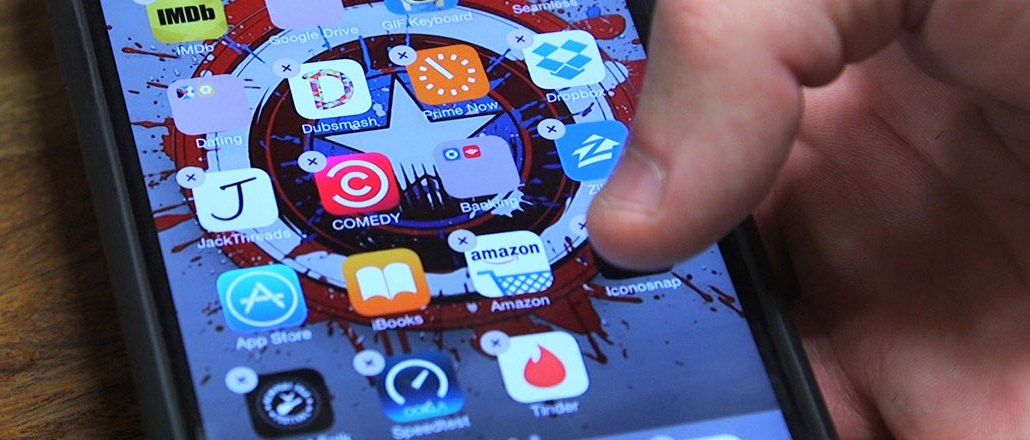
Apps are looking for any edge they can get to squeeze installs and pull in return users, and one is claiming it has a surprisingly secret marketing weapon in Google.
In September, the search giant launched universal app campaigns that can reach anywhere Google ads can reach: its mobile Play Store, YouTube, search. The company and developers haven’t shared any results of those efforts until now. The developer Honk, which is an Uber-like roadside assistance app, claims that Google app ads cost a quarter to a third of the price it was getting on Facebook.
“We’ve gone from exclusively spending on Facebook app installs,” said Jacob Honig, Honk’s vp of marketing. “Now, 50 percent of our total marketing spend is going through what we call GUAC,” short for Google Universal App Campaigns.
Apps are a key driver of mobile ad revenue, and that’s why Google, Facebook, Twitter and others are placing these install buttons all over their ad ecosystems. App install ads account for 10 percent of U.S. mobile ad spending, and will account for $3 billion in spending this year, according to eMarketer, and shows no signs of slowing down.
Apps spend for growth because the payoff can be huge, but it can also be devastating. Just this week, a Spotify rival in music streaming, Rdio, filed for bankruptcy, and its biggest debt was to Facebook for ads, $500 million unpaid. The Rdio case study shows the reliance these apps have on generating new users through the mobile platforms most linked to them.
It also shows why the apps are looking for any edge they can get when it comes to ad spend. Honig said that since moving half Honk’s marketing to Google, it pays $1 to $3 for a thousand impressions, compared to $9 to $12 CPMs on Facebook.
Sometimes Honk’s cost per installs on Facebook are more than $15, Honig said. The price is a reflection of “oversaturated” app-install advertising on Facebook, he said.
“It’s obscene,” Honig said.
Facebook declined to comment for this story.
Since Google only just started the universal campaigns, Honk has had a bit of free reign. Honig realizes that this could change, but for now it’s helped the app double its user base. Honk has raised $14 million.
Honig would not say what his marketing budget is or how many active users are on the app. It has up to 50,000 downloads, according to Google’s Play Store.
A Google rep, Joe Osborne, said that the company built universal app campaigns because most developers are not versed in the intricacies of online marketing. It can be “wonky” and “complicated,” Osborne said. “Universal App Campaigns are an incredibly effective way to get your apps blasted across Google instantly.”
Honk has basically bought into the whole Google online marketing experience. It is running auto-related YouTube videos, showing up in search when someone appears to be interested in car trouble, and these app install campaigns.
“Google played a very critical role for us in our growth,” Honig said.
Honig said Honk was a reluctant to discuss the rates it saw for app install ads on Google lest it push more marketers there. “There’s just more competition for eyeballs, so if any conversion numbers are proven, good marketers jump early on new products,” Honig said. “You’ve got to get going before most others are wise to it.”


More in Media
Creators say it’s difficult to make money from news — with platform rules and brand guidelines
With more people getting news from creators than traditional media, those creators are still trying to build sustainable businesses.

Why CNN International is building for agentic ad market that barely exists yet
CNN International is still chasing its first agent-sold dollar by Q1.
Media Briefing: The transatlantic push to rein in stealth bots is gathering pace
U.S. and U.K. publishers are pushing for laws to crack down on stealth AI crawlers as bot scraping surges and demands for transparency grow.