Does a fast-food chain need to be asking about your favorite Halloween costumes? Probably not. But that didn’t stop Panera from weighing in.
Our last batch of bad brand tweets included corny word scrambles and hashtag hijacking. This week’s tweets are just as bad. From fill-in-the-blank questions to random personal queries, check out the latest in brands tweeting bad.
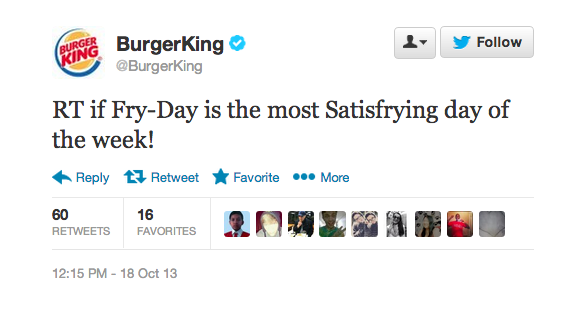
Begging for a retweet and using multiple bad puns? Go to Twitter jail, BK, and do not collect $200.
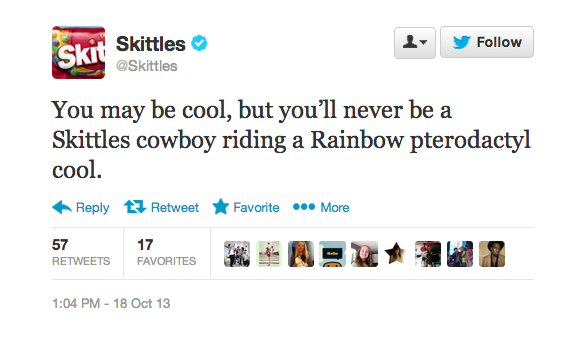
What does that even mean? We get you are trying to be out there and random and funny, but come on.
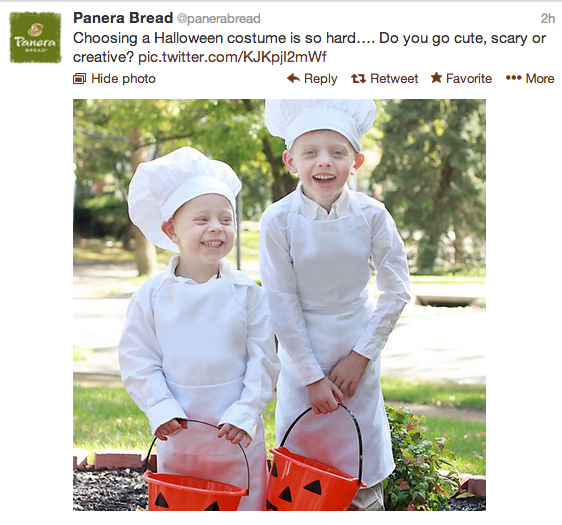
Gee, thanks sandwich chain for asking this thoughtful question about a trending topic — we see what you are doing there. What’s your next question? What kind of #breadfully #spooky Panera sandwich I’m going to serve at my #Halloween party?
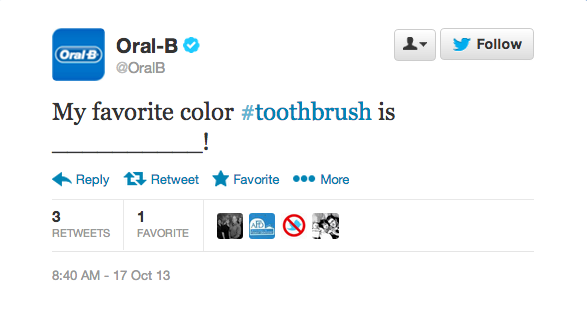
The laziest move in the book: a fill-in-the-blank! Twitter is not a place to post kindergarten worksheets, Oral B. At the very least, you could have tweeted something about brushing after indulging in Halloween candy. (Please don’t take that idea.)
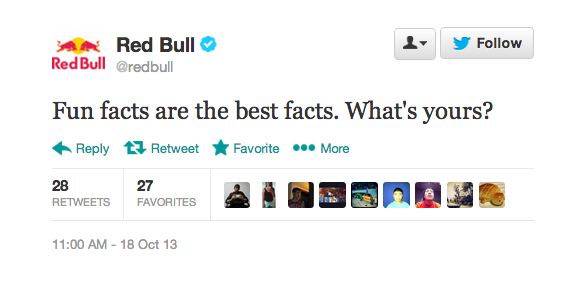
Glad you asked, Red Bull. Here’s ours: Researchers from Johns Hopkins University believe that energy drinks like Red Bull can lead to “caffeine intoxication” – and should therefore carry warning labels.


More in Marketing
The Rundown: Average CMO tenure has shrunk by over a third in 16 years
Client-side turnover is increasing, according to a survey of 13,000 U.S. marketing professionals, and marketers are spending less time in post.
Behind Hoka’s bid to own the NYC marathon’s run-up period
Hoka’s been targeting runners training for the New York City marathon with the aim of creating more shoe evangelists.

Ad Tech Briefing: AI is changing programmatic buying faster than who controls it
As more decisions become automated, the value of a control depends on whether publishers can see its effects.