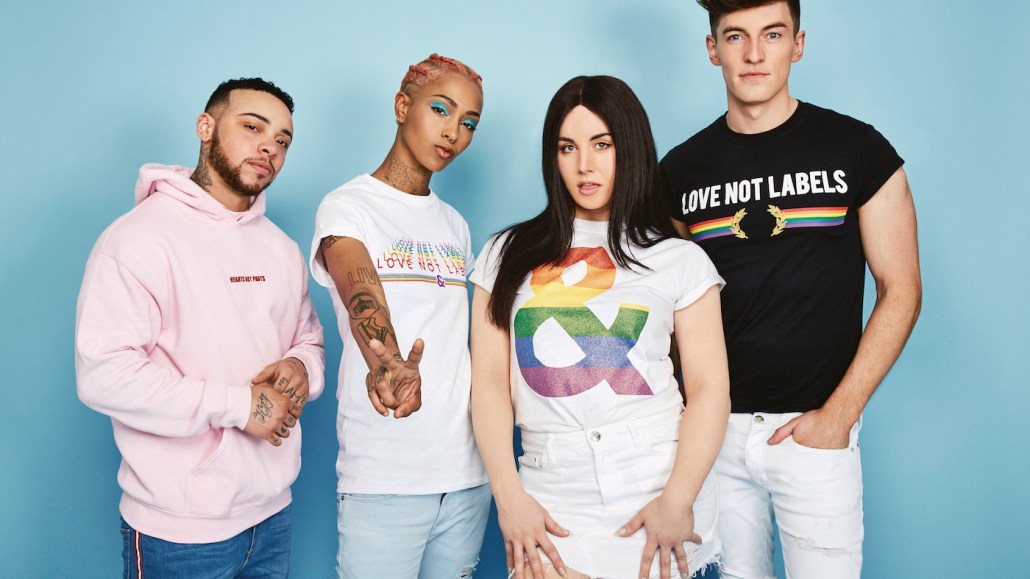

As Amazon makes inroads into fashion, high street clothing retailer River Island is trying to succeed by being what the retail behemoth can’t.
Fashion brands aren’t predicated on price and convenience as many of the categories dominated by Amazon are, so going toe-to-toe with Amazon in fashion won’t end well for high street brands, Josie Cartridge, customer director for River Island told Digiday at the eTail Europe summit earlier this week.
Influencers are one way River Island plans to grow its authority, working with recognized bloggers such as Hannah Louise and Martell Campbell to stay on trend.
River Island uses an internal team of media buyers to inform its spending on influencers. They handle River Island’s online media buying. Its agency, Manning Gottlieb OMD, handles TV, print, cinema and outdoor buying. This approach allows Cartridge to control a media strategy that doesn’t prioritize impressions while benefiting from Manning Gottlieb OMD’s training resources and help in bringing the retailer’s media and commerce investments closer together.
Influencers will eventually play a larger role in River Island’s marketing, Cartridge said. But River Island is mindful of the fraudulent practices that have accompanied the industry’s rapid growth, and before more money is spent on those creatives, Cartridge said the industry around them has to mature.
“Influencers can be very valuable at creating really relatable content that we can use on our site and they can use on theirs,” said Cartridge, “but I think they tend to do everything in the same, so lines between what’s editorial and what’s an ad are blurred. Consumers will pick up on that very quickly if they think the influencer is not staying true to their values.”
River Island isn’t ignoring Amazon’s lessons, either. One of Amazon’s greatest strengths is how much it knows about each shopper. River Island is following that lead by trying to quantify the cost of each user journey, rather than chasing the cost per transaction as it has done. For example, if a paid search post led someone to buy a product using a credit card, pick it up in store and then return it, the retailer wants to know the cost of the entire journey.
River Island is smart not to ignore its own strengths in competing with Amazon, said Debbie Ellison, head of digital at shopper marketing Geometry U.K., a shopper marketing agency that works with retailers.
“While River Island is right to leverage learnings from the retail goliath — mobile-first commerce, price and convenience — they are also capitalizing on their own [unique selling propositions]: a great physical retail network, connected omnichannel experiences for shoppers and, their real pièce de résistance, authority in fashion,” Ellison said.


More in Marketing

‘There’s nothing wrong with being a heritage brand’: How Revlon is updating its image by looking to the past
Revlon named musician and actress Teyana Taylor and country music star Megan Moroney as the faces of its “Revlon Be Unforgettable” campaign.

Inside agency OK Future’s AI ‘pressure cooker’ experiment with Goodwipes
OK Future cut Goodwipes’ AI spoof from six weeks to four days, exposing big savings and burnout risks.

From influencers to AI, here’s what Gen Alpha thinks about your brand
The Gen Alpha cohort now influences nearly half of total U.S. household spending in families with children ages 8-14.