Join us Dec. 1-3 in Nashville for the Digiday Programmatic Marketing Summit
Even if Rihanna hasn’t yet released her much-anticipated album “ANTI,” at least she’s selling something.
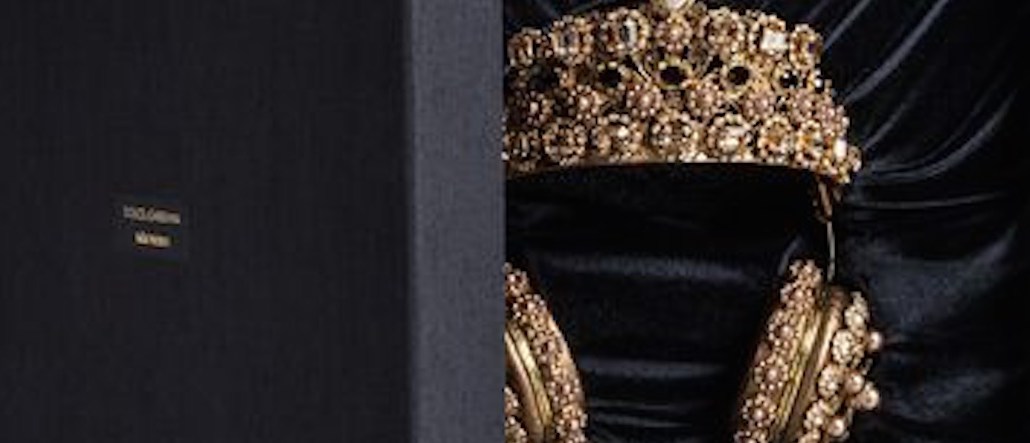
Yesterday, the singer tweeted a picture in which she is allegedly listening to her eighth studio album which excited legions of her fans online. It might even come out this year! But the news of the new Rihanna album was somewhat upstaged Rihanna herself: In the photo she is sporting a pair of insanely expensive Dolce & Gabbana headphones.
listening to ANTI pic.twitter.com/AgqlhU0GEz
— Rihanna (@rihanna) January 25, 2016
The headphones cost $9,000, probably because it’s embellished with Swarovski crystals and metallic rings. Despite the price, that hasn’t stopped people from buying them. The headphones sold out within less than 24 hours after Rihanna’s tweet, underscoring the power of a celebrity endorsement even if it might not be one.
While Rihanna’s tweet, which garnered 140,000 retweets, wasn’t explicitly an ad for the luxury brand (its logo is nowhere to be seen), it could have been. Internet sleuths discovered that Dolce & Gabbana made the headphones within a few hours sparking a flurry of articles about the brand, which did not return calls for this post.
In any event, “ANTI” is clearly already music to at least a few ears: those of Rihanna and Dolce & Gabbana.


More in Marketing
In Graphic Detail: What Apple’s identity block means for the ad money
How Apple’s identity block hits publishers’ wallets, and why Apple can afford it.
Anthropic’s ad bill is soaring, according to IPO filing
Anthropic’s IPO filing shows an ad-free AI company with a fast-growing ad bill.
Salesforce’s $5.7 billion Braze deal puts marketers at an ecosystem crossroads
The deal promises faster, more connected marketing, while raising questions about vendor lock-in and how brands stand out as AI automates campaign execution.