Join us Oct. 26-28 in Newport Beach for the Digiday Media Buying Summit
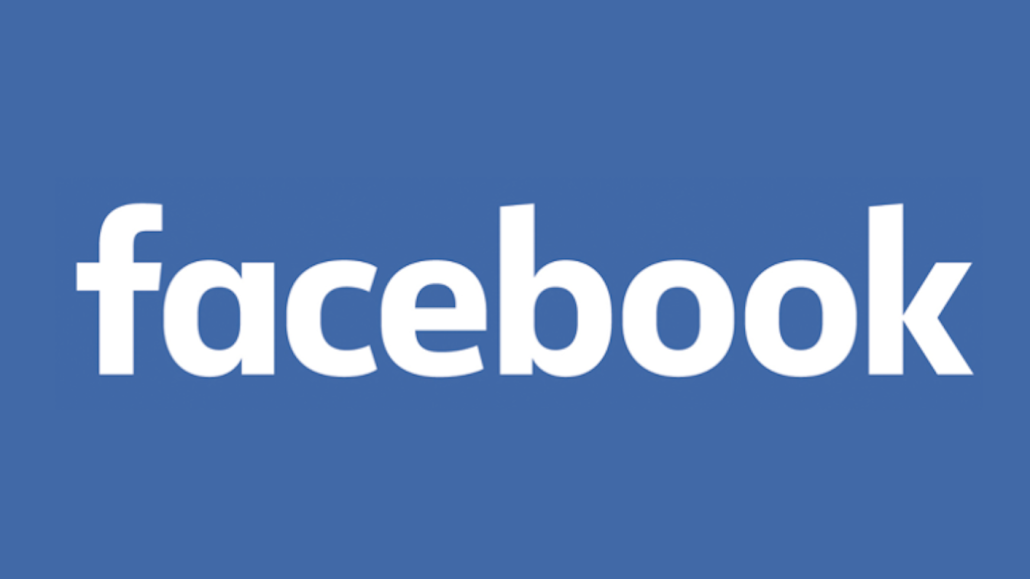
For the first time in a decade, Facebook has changed its logo.
Unlike Spotify’s change that ignited an Internet firestorm, Facebook’s tweaks are subtler and maintain its signature blue color.
In the new version, the double story a is now single-story, the o’s are thinner and the stem of the b is rounded. The iconic “f” remains lowercased.
This GIF, via Brand New, shows the slight changes made:

Facebook’s Creative Director Josh Higgins described the logo to the design blog Brand New as “more friendly and approachable.” As the social network increasingly shift its focus to mobile, the clear lettering in the new logo makes is appear snappier and crisper on mobile screens.
Facebook worked with Eric Olson, the designer of the original logo, to freshen up the typeface Klavika instead of rolling out a full revamp.
Stewart Devlin, the chief creative officer at Red Peak Branding told Digiday that it looks “unbalanced,” but doesn’t think it will stop people from using Facebook. “The old logo wasn’t an amazing piece of typography but it did have attitude,” Devlin said in an email.
The new logo will appear when Facebook is spelled out (i.e. on the login screen) and the favicon will remain the same.


More in Marketing

Ikea’s CMO sees LLMs as the newest place a brand has to hold its line
LLMs have widened the brand. Ikea’s CMO thinks the basics still hold.
How many people does it take to run an agency? According to Bad Mktg, just two if you’re using AI
BaD Mktg is just two employees and a lot of AI to run the business and ideate. The secret to its success? The experience of the people leading the ideation.
‘Mission and capital can coexist’: Golden State Valkyries’ Jess Smith on pitch to sponsors
The WNBA’s newest team must navigate measurement demands and marketers wanting to share in the ‘mission’ if it’s to establish a commercial foothold.