Join us Dec. 1-3 in Nashville for the Digiday Programmatic Marketing Summit
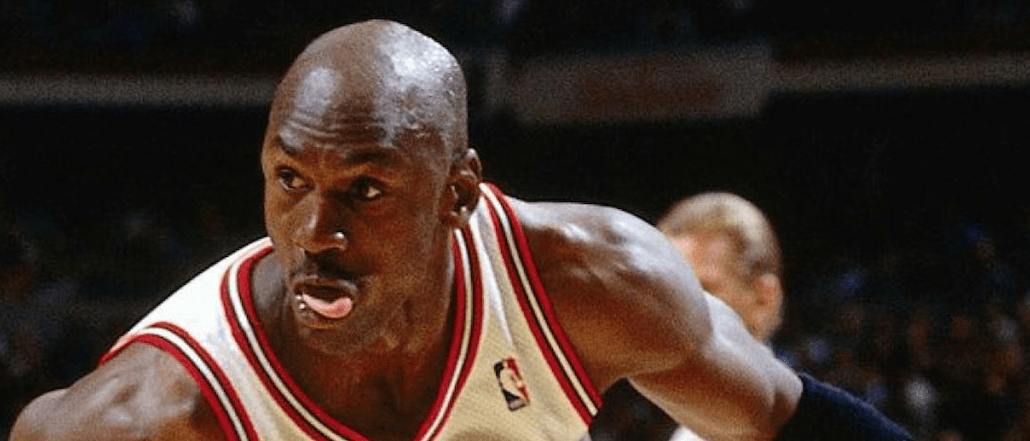
Apparently lots of NBA players discovered emojis yesterday.
The so-called Great NBA Emoji Full Court Press of 2015 was sparked a coyish tweet from Dallas Mavericks player Chandler Parsons tweeting a picture of a plane alluding to the news that DeAndre Jordan was being traded from the Los Angeles Clippers to Dallas.
From there, other players, from Chris Paul to Blake Griffin, jokingly tweeted emojis as what they were up to.
But it was Nike’s Jordan brand that dropped the mic. They tweeted out a picture of a goat emoji (shorthand for “greatest of all time”) and another tweet with six trophies signaling the number of championships he won.
— Jordan (@Jumpman23) July 8, 2015
— Jordan (@Jumpman23) July 8, 2015
Both tweets amassed more than 50,000 retweets and 35,000 favorites combined.
Nike’s Jordan brand is a client of the New York-based social media agency Laundry Service and that triggered CEO Jason Stein to go even further with it. So, along with his friend ESPN sports business analyst Darren Rovell, the duo kicked around ideas of what emojis define other famous NBA players.
For example, Dallas Mavericks’ Dirk Nowitzki is German so naturally he’s a the German flag emoji and Chicago Bulls player Derrick Rose appropriately is the rose emoji. The full chart is below:
Your handy NBA player emoji chart. Thanks to my followers & @247ls for the help to create it! pic.twitter.com/9r8ytEehom
— Darren Rovell (@darrenrovell) July 9, 2015
What about Stein’s favorite, besides his crew’s Jordan’s goat emoji? “I’d go with Jerry West a.k.a. The Logo,” who is the trademark emoji. He told Digiday that a MLB version is coming soon.
Featured image via Flickr.


More in Marketing
In Graphic Detail: What Apple’s identity block means for the ad money
How Apple’s identity block hits publishers’ wallets, and why Apple can afford it.
Anthropic’s ad bill is soaring, according to IPO filing
Anthropic’s IPO filing shows an ad-free AI company with a fast-growing ad bill.
Salesforce’s $5.7 billion Braze deal puts marketers at an ecosystem crossroads
The deal promises faster, more connected marketing, while raising questions about vendor lock-in and how brands stand out as AI automates campaign execution.