Join us Dec. 1-3 in Nashville for the Digiday Programmatic Marketing Summit
One would think that fashion brands, with tons of beautiful photographs in their catalogs, would be naturally adept at Instagram. One would be wrong.
It turns out fashion companies are just as guilty as other brands when it comes to bad or lazy social media tactics — like nonsensical posts, clumsy copy and #hashtag #abuse. Check out these five examples of fashion brands’ Instagram posts that aren’t as chic as they should be.
Aldo

The post itself isn’t so bad, but let’s count those hashtags, shall we? 12. There are 12.
Club Monaco

How do you connect the dots between a pair of chinos and a cucumber cocktail? Summers at the polo matches or something?
BCBG Max Azria

Not only are there nine hashtags in this post, you can’t even just ignore them. Rather than being stuck on the end, the #hashtags make up almost #every #word in the #sentences of #this #post. #Gross #Unreadable
Tommy Hilfiger

And why exactly is some random day all “about eating your favorite things with your favorite people”? You got all of that from a white shirt picture?
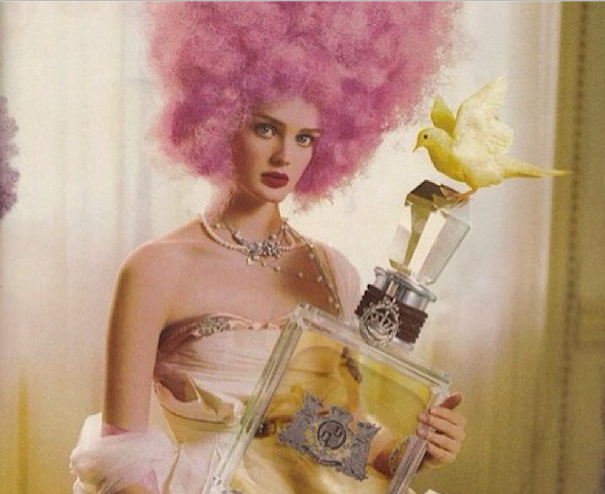
Juicy Couture

Hm, this is an awkward TBT. Happy Death Anniversary, Marie Antoinette! Fashion icon and symbol of monarchical excess!


More in Marketing
AI boosts discovery but reviews still seal the deal, new research shows
ChatGPT is where 16% of shoppers start looking for products. However, only 9% go there to actually buy something.

Future of Marketing Briefing: Advertisers have more ways than ever to choose a holdco, and free holdcos to choose from
Fewer holdcos, more ways to pick one: inside the changing agency pitch.
Walmart Connect pitches brands directly as it pushes lift studies ahead of holiday ad deals
Walmart Connect is using lift studies to prove ad performance directly to brands ahead of the holidays, signaling a tighter race with Amazon.