Join us Dec. 1-3 in Nashville for the Digiday Programmatic Marketing Summit
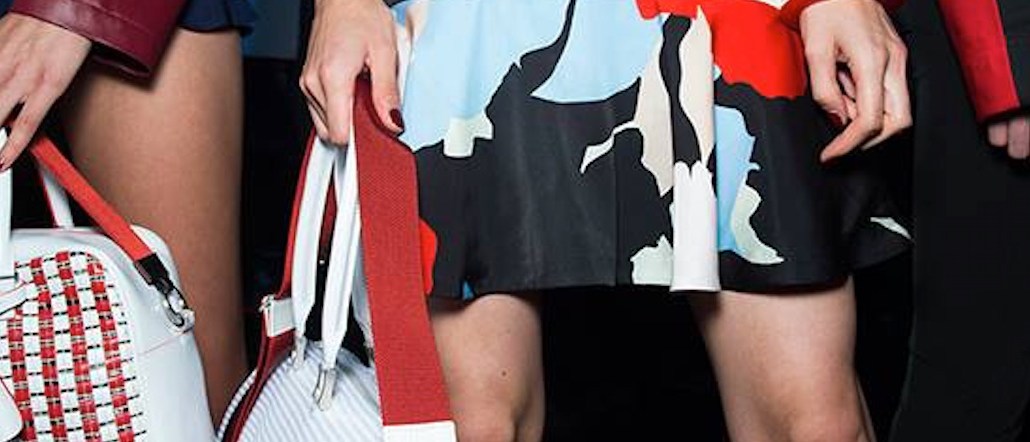
Score another win for the body-positivity brigade.
Topshop is bowing to pressure from a Facebook post to stop using “ridiculously shaped” mannequins promoting unhealthy beauty standards throughout its stores.
In a 500-word message posted last week, shopper Laura Berry wrote that “stopped in [her] tracks” by a “ridiculously tiny mannequin” that appears to be a size 0, judging by the photo attached to the message. “We come in all shapes and sizes. There is absolutely nothing wrong with being the size you naturally are,” she writes.
The post racked up 3,700 likes and 478 shares. Of the roughly 400 comments post, some supported Berry. One woman wrote the mannequins make her feel like she “shouldn’t be in the shop because I’m too big.” Others, however, took the opposite view slamming Berry for “skinny bashing” because it’s “just as bad as calling someone fat.”

The outrage was enough for Topshop to respond to Berry, telling her that the type of mannequin is based on the standard UK size 10 (U.S. size 6) and is delivered in that awkward standing position so its store associates can easily dress them.
Topshop said it won’t be ordering that style of mannequin anymore. “The views of our customers are extremely valuable and we apologise if we have not lived up to the levels of service that we aim to deliver,” it said.
The chain isn’t the only facing back-lash from body-positivity proponents. Victoria’s Secret was recently criticized for its “perfect body” campaign that featured pictures of svelte women, as has Calvin Klein’s usage of a plus-sized model that many believe wasn’t. Yesterday, Dutch-based stroller maker Bugaboo was also the target of angry Facebook commenters over a model running in a park while wearing a bikini.
Previously, Topshop has been a top target from angry shoppers on social media about its mannequins. A shopper took them to task last October for a photo that spread through the Internet of her normal-sized legs compared to a pencil-thin mannequin legs.
The store issued a similar-worded statement, but didn’t say it would pull them from stores, like it did this time.


More in Marketing

In Graphic Detail: What Apple’s identity block means for the ad money
How Apple’s identity block hits publishers’ wallets, and why Apple can afford it.
Anthropic’s ad bill is soaring, according to IPO filing
Anthropic’s IPO filing shows an ad-free AI company with a fast-growing ad bill.
Salesforce’s $5.7 billion Braze deal puts marketers at an ecosystem crossroads
The deal promises faster, more connected marketing, while raising questions about vendor lock-in and how brands stand out as AI automates campaign execution.