Join us Dec. 1-3 in Nashville for the Digiday Programmatic Marketing Summit
Future of TV Briefing: The ad-supported streaming landscape in graphic detail
This Future of TV Briefing covers the latest in streaming and TV for Digiday+ members and is distributed over email every Wednesday at 10 a.m. ET. More from the series →
This week’s Future of TV Briefing looks at a spate of recent studies that highlight the growing predominance of ad-supported streaming and the risk in how brands are managing streaming campaigns.
- In graphic detail
- Fox’s upfront haul, Instagram’s CTV app and more
In graphic detail
Streaming is on the verge of becoming primarily an ad-supported medium for audiences. That’s great for advertisers once wary of ad-free services dominating the market and diverting people’s attentions away from brands’ campaigns. And while streaming viewers are largely tolerant of ads, advertisers are at risk of testing that tolerance given how they are choosing to run ads across streaming and social video platforms.
Nearly half of top-tier streaming service subscriptions are ad-supported, according to Antenna’s “State of Subscriptions – Ads & Adds” report published earlier this month. The study’s definition of “premium” subscription-based streamers encompasses Apple TV, Discovery+, Disney+, FOX One, HBO Max, Hulu, Netflix, Paramount+, Peacock and Starz.
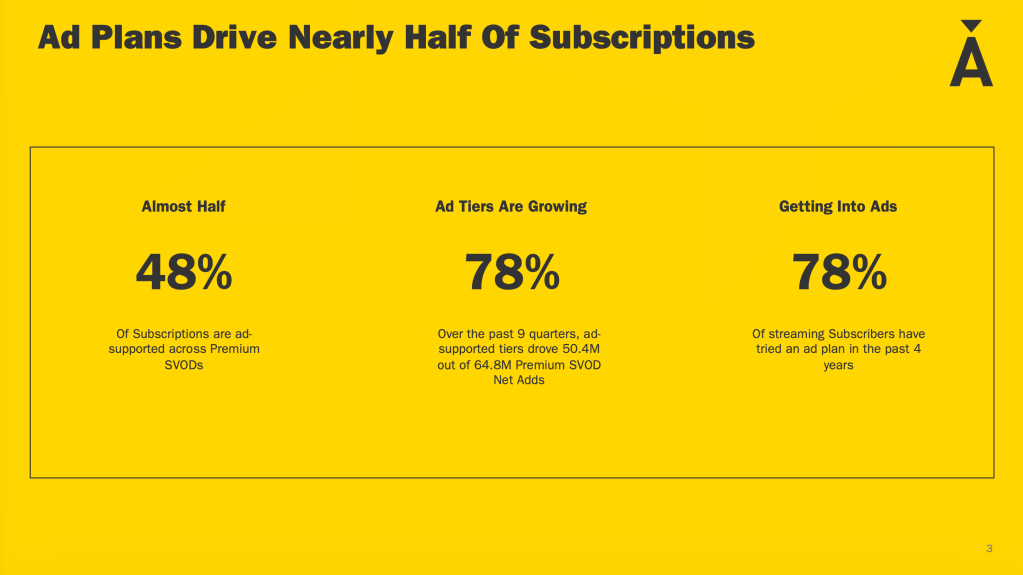
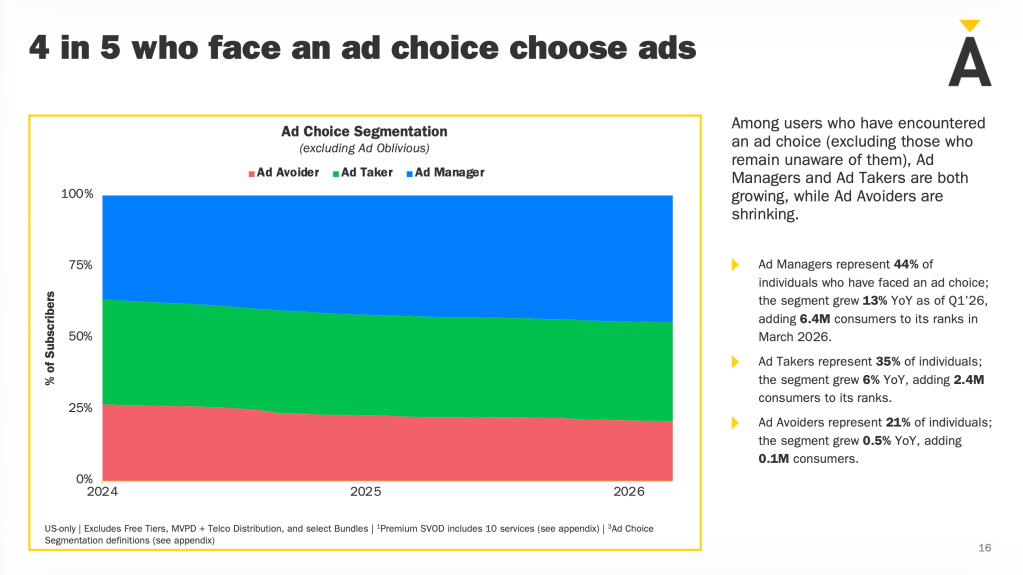
Considering that an overwhelming majority of streaming subscription sign-ups are for ad-supported tiers, it seems inevitable that a majority of streaming subscriptions will be ad-supported pretty soon. Per Antenna’s study, a growing share of streaming subscribers are either people who exclusively sign up for ad-supported tiers (“ad takers”) or are people who have signed up for ad-supported and ad-free tiers (“ad managers”).
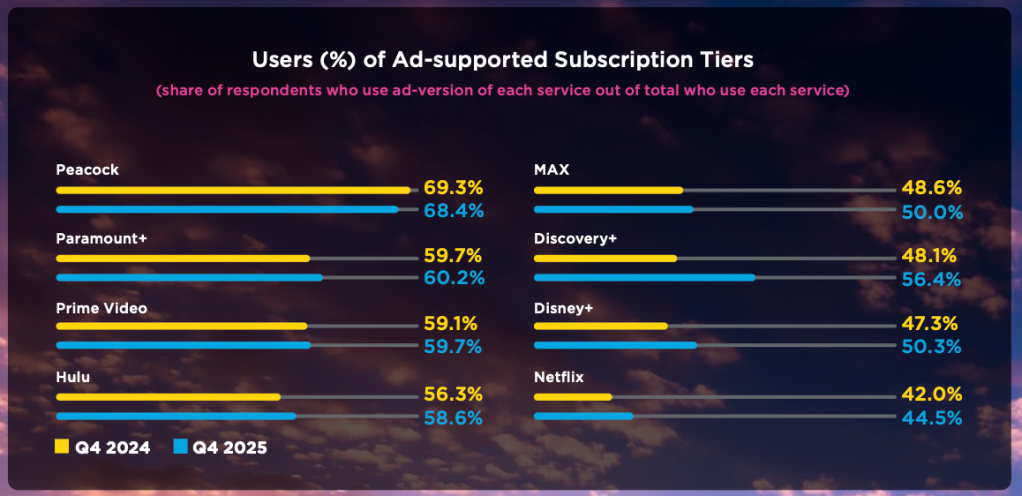
Many top streaming service subscriber bases appear to already be primarily on the ad-supported tiers. According to Tivo’s “Q4 2025 Video Trends Report” released earlier this month, of the respondents who said they use a given streaming service, most said they are on the ad-supported tier. That goes for Peacock, Paramount+, Amazon Prime Video, Hulu, Max, Discovery+ and Disney+. Netflix was the lone laggard, with most Netflix-watching respondents saying they were on the ad-free tier, but even then the share on Netflix’s ad-supported tier has increased to 44.5% compared to the prior year.
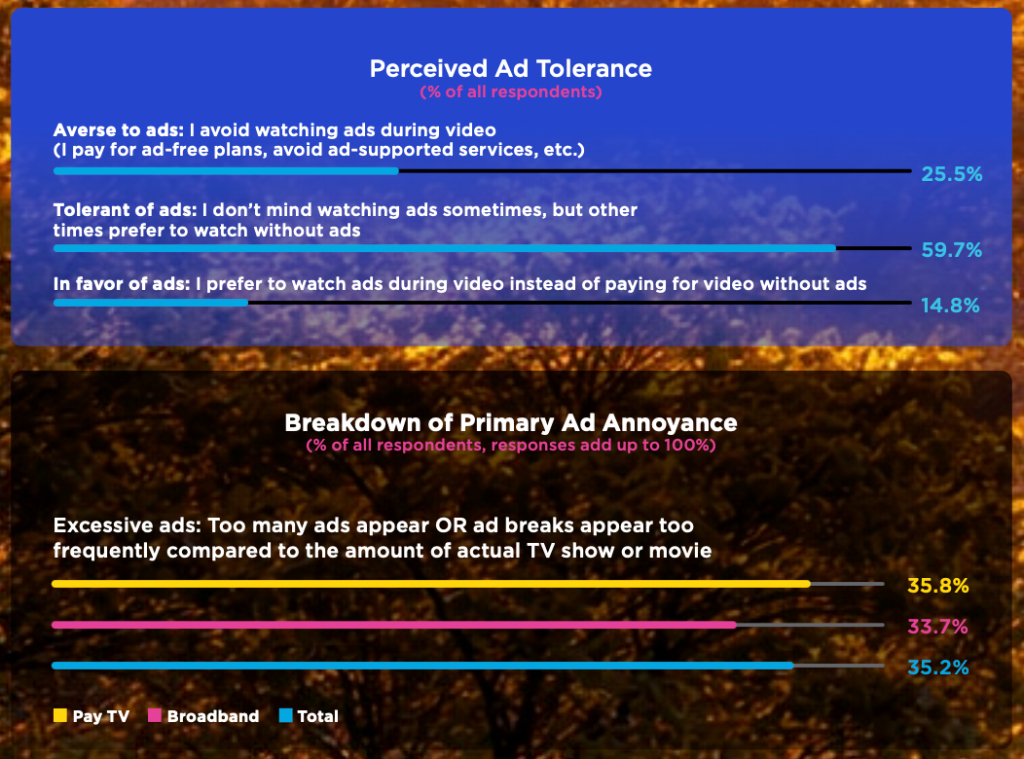
Price is probably the primary reason people are increasingly signing up for ad-supported subscriptions. But ad aversion is becoming less of a reason for them to stick to ad-free tiers. Per Tivo’s study, three-quarters of respondents said they either don’t mind sitting through ads or actually prefer to watch ads instead of having to pay for ad-free viewing.
But here’s the but. A third of people are still annoyed by having to sit through too many ads. That annoyance is likely being exacerbated by the fact that people are being exposed to more ads as they opt for more ad-supported viewing experiences. But there’s another factor potentially at play.
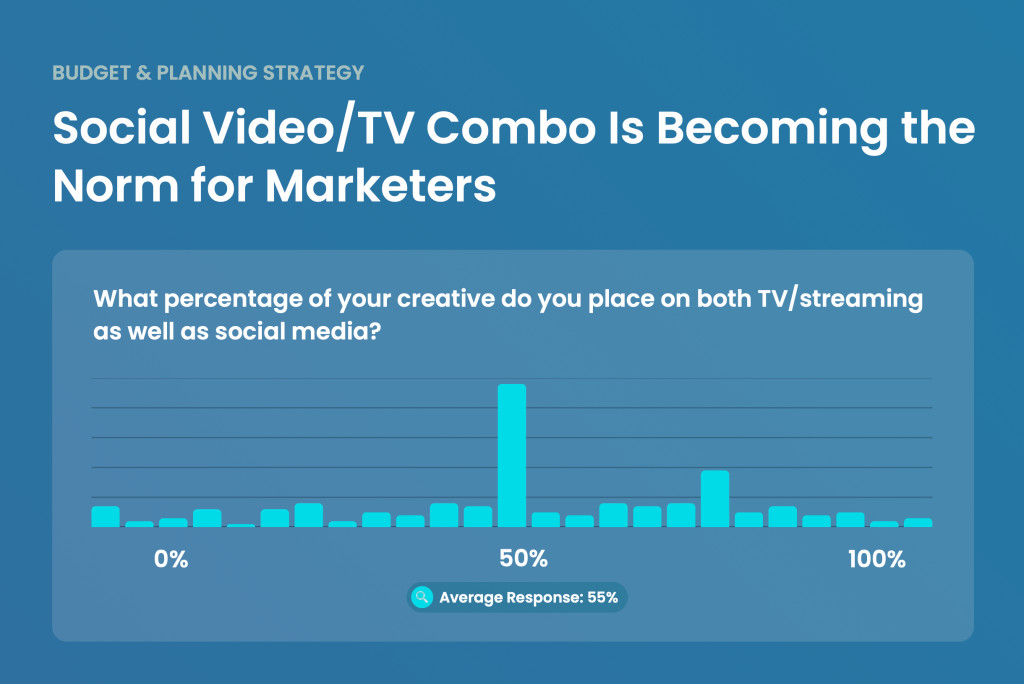
Most of the time advertisers are running the same ads on streaming services as they are on social video platforms. According to iSpot’s “2026 Video Ad Spend and Strategy Report” released in May, 24% of surveyed brand and agency executives said that half of their TV/streaming ads also run on social video platforms, and 39% said more than half of their TV/streaming ads also run on social video platforms.
What we’ve heard
“Not a lot of conversations honestly about the creator content at this point.”
— Netflix’s Amy Reinhard on advertiser discussions concerning the platform’s creator-led programming
Numbers to know
~20: Size of The Atlantic’s recently expanded video team.
6,000: Number of jobs worldwide estimated to be at risk because of Paramount’s planned acquisition of Warner Bros. Discovery.
23.6%: Percentage of streaming movies released in 2025 that were directed by women, the same percentage directed by BIPOC filmmakers.
175: Number of videos that People Inc.’s food properties produce each month.
What we’ve covered
Omnicom Media and Disney Advertising collaborate to enable sequential ads in streaming:
- Omnicom Media and Disney Advertising have agreed to implement a connected TV ad solution that enables dynamic sequential storytelling across both video on demand (VOD) and live programming.
- The companies will employ technology from ad-tech firm Innovid, which will help with adding personalization elements.
Read more about Omnicom’s Disney deal here.
Omnicom Media kicks off a series of partnerships at Cannes Lions with a first-time Netflix deal:
- Omnicom Media’s Acxiom integrating its audience data into Netflix’s ad capabilities to enable more relevant ads to run in Netflix shows.
- It’s the first time Omnicom Media and Netflix have struck a partnership, and it’s already up and running in the U.S., with plans to expand the offering internationally by end of year.
Read more about Omnicom’s Netflix deal here.
How Lipton is using local creators instead of building in-house social teams:
- After a two-year global trial, the tea brand is using influencer marketing agency Billion Dollar Boy’s “Social Hubs” — a program where local creators make a steady stream of content for Lipton’s social channels and their own, effectively acting as on-the-ground social teams in each market.
- Social Hubs’ creators had a combined 924 million views across TikTok and Instagram last year; Lipton is targeting 2 billion this year across paid, organic, and earned.
Read more about Lipton’s creator strategy here.
WPP is testing a buyer agent for video, but its bigger bet is on governance:
- Alongside the launch of WPP’s Buyer Agent for Video, the agency holding company unveiled a coalition of premium media owners including Disney, Netflix, NBCUniversal, Paramount and Fox as well as standards bodies IAB Tech Lab and Prebid.org.
- WPP Media is working with its partners and standards bodies to establish shared protocols for how buyer and seller agents communicate, validate decisions and execute approved transitions.
Read more about WPP’s buyer agent here.
Cannes is becoming ‘a Super Bowl moment’ for creators:
- Although Cannes has been tilting toward creators for the last few years, this year marks a real tipping point.
- Creators are getting their own dedicated beachside spots on the coveted French Riviera, hosting luncheons and leading workshops, and heading into the long weekend ready to court CMOs for long-term brand partnerships.
Read more about creators at Cannes here.
What we’re reading
Fox nabbed a single-digit year-over-year increase in overall commitments from advertisers, with double-digit increases in ad dollars earmarked for Tubi and Fox News, according to Variety.
Instagram’s long-form TV test:
The Meta-owned platform that previously launched and shut down IGTV is finally testing out horizontal, long-form videos on its CTV app, according to The Hollywood Reporter.
The Hollywood talent agency is looking to put creators at the center of its business alongside traditional entertainment industry talent with a $250 million holding company created to acquire and grow creators’ businesses, according to The New York Times.


More in Future of TV
Future of TV Briefing: YouTube, Tubi top streamers’ share of ad exposure time
This week’s Future of TV Briefing looks at Comscore’s new Score Report that gauges TV and streaming companies’ share of audiences’ ad exposure time.

Future of TV Briefing: TikTok Shop success = small creators + more videos
This week’s Future of TV Briefing looks at how “more videos from smaller creators” is the recipe for success on TikTok Shop.
Future of TV Briefing: Hispanic TV-and-streaming viewership in 4 charts
This week’s Future of TV Briefing looks at how Hispanic audiences spend their time between traditional TV and streaming.