Join us Dec. 1-3 in Nashville for the Digiday Programmatic Marketing Summit
Verizon introduces new scheme that lets brands subsidize your data plan
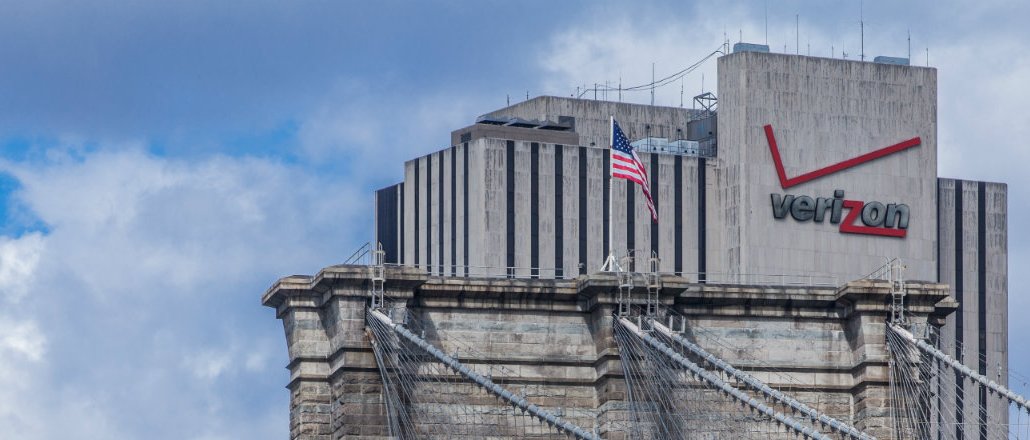
Verizon Wireless is joining the list of carriers offering its data-hungry customers an ad-supported alternative.
Launching in beta today, the company is rolling out a scheme called “FreeBee Data” that lets deep-pocketed companies foot the bill of your data when you access their content without it counting against a monthly data limit.
The carrier says in a release that it offers customers “greater flexibility when streaming or downloading content.” That content, however, is limited to Hearst Magazines and, not surprisingly, Verizon-owned AOL being the first brands to trial it.
Verizon charges brands and publishers on a “pay-per-click” model, allowing up to 30 seconds of video to be sponsored or up to 30 minutes of audio streaming, among other options. Just like a banner ad, people who access the content will see a pop-up with a “short sponsorship text message” before being allowed in. A banner with the brand’s message will also appear in the browser or app during the usage time.
(Verizon didn’t respond to say whether if the program will work if people have ad-blockers installed on their phones.)
“In today’s digital economy, FreeBee Data is a departure from the one size fits all approach to marketing,” Verizon said in a statement. “The opportunity to add value and utility to consumers’ everyday experiences will fundamentally transform how brands and businesses connect with their customers.”
While it might sound like a good deal for customers who regularly go over their data, critics argue that it’s a blow to net neutrality since it offers an unfair advantage to brands and publishers that can’t afford to pay Verizon to attract people to these data-free zones.
The practice is also referred to as “zero rating,” where a carrier exempts certain content from being used in their data. T-Mobile, for example, has made headlines with its BingeOn program, which lets people stream Spotify and Netflix without it counting against the user’s limit.
“Verizon’s version of ‘zero rating’ creates much more distortion in favor of big-pocketed content companies, and it much more likely to create competitive barriers for non-profit sources of content such as universities, community groups, fan clubs, self-help discussion groups, Wikipedia and so on,” Jeremy Malcolm, a senior global policy analyst at the Electronic Frontier Foundation, told Digiday.
In fact, the Federal Communications Commission is meeting with companies, like T-Mobile and Comcast, that offer programs to make sure to stay “informed as to what is going on” with these ad-supported programs since the government voted in favor of supporting net neutrality last year.


More in Marketing

Ruggable’s new ad spend strategy shifts focus to ShopMy creators
Ruggable is shaking up its marketing stack, pulling dollars our of Meta and into ShopMy creators ahead of a potential IPO.

Future of Marketing Briefing: The holdcos long, awkward courtship of the C-suite
What holdcos risk when they go over the CMO’s head.

Brands turn to content series and Jimi Hendrix to improve AI search performance
Guitar brand Fender and amp-maker Marshall both recently launched content series aimed, in part, at improving their visibility in AI search answers. It’s part of a greater pattern.