Join us Dec. 1-3 in Nashville for the Digiday Programmatic Marketing Summit
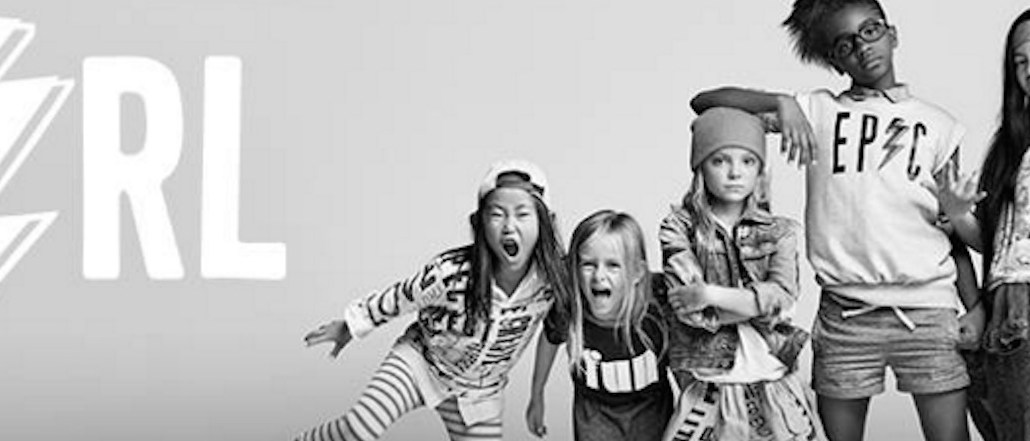
Gap Kids is finding itself in a swirl of controversy for an ad that some on Twitter are saying projects a racist subtext.
At first glance, the tweet sent Saturday, looks ordinary: Four girls from the children’s acrobatic group Le Petit Cirque pose for the brand’s Ellen Degeneres line of clothing, GapKids X ED, with the caption “meet the kids who are proving that girls can do anything.”
But in the top right picture, one girl is posing with her arm on a shorter black girl’s head, with some say showing her as merely being support for the white girls that can “do anything.”
Here’s the tweet in question:
meet the kids who are proving that girls can do anything.
check out #GapKidsxED: https://t.co/qbR13BsWIL pic.twitter.com/e47gVghHt0
— GapKids (@GapKids) April 2, 2016
Reaction was swift amongst its followers, particularly among Black Twitter users, who slammed Gap Kids:
@GapKids Why is the little black girl being used as an arm rest? I’m sure there were better photos taken. You should fix it.
— Caissie St.Onge (@Caissie) April 3, 2016
@GapKids proving girls can do anything… unless she’s Black. Then all she can do is bear the weight of White girls. #EpicFail
— Fatima La’Juan Muse (@TheTherapyDiva) April 2, 2016
@GapKids who thought it was okay to present the ONE black girl as static / armrest FIRE THEM
— tesseract (@A10110110) April 2, 2016
That ad certainly isn’t suggesting that *black* girls “can do anything,” @GapKids. It’s incredibly distasteful to your black consumer base.
— stacia l. brown (@slb79) April 3, 2016
@GapKids yeah that’s cool and all but no one should be resting on anyone’s head. Not cool pic.twitter.com/IDhNLc21EO
— ReadEverythingDotCom (@ASHA7777) April 2, 2016
Commenters also took aim at Gap’s marketing department for approving the ad:
@GapKids my 6 year old saw this and immediately recognized the problem but a whole adult PR dept missed it.
— Loc’d Hair Free Mind (@klpqueen) April 3, 2016
This is why it’s important to have diversity behind the scene for marketing projects. #NotYourArmrest @GapKids
— Linda Mitchell (@lindaemitchell) April 3, 2016
Gap didn’t immediately reply for comment.
Update: Gap spokesperson Debbie Felix has issued an apology to anyone offended.
“This GapKids campaign highlights true stories of talented girls who are celebrating creative self-expression and sharing their messages of empowerment,” she said. “We are replacing the image with a different shot from the campaign, which encourages girls (and boys) everywhere to be themselves and feel pride in what makes them unique.”


More in Marketing

In Graphic Detail: What Apple’s identity block means for the ad money
How Apple’s identity block hits publishers’ wallets, and why Apple can afford it.

Anthropic’s ad bill is soaring, according to IPO filing
Anthropic’s IPO filing shows an ad-free AI company with a fast-growing ad bill.
Salesforce’s $5.7 billion Braze deal puts marketers at an ecosystem crossroads
The deal promises faster, more connected marketing, while raising questions about vendor lock-in and how brands stand out as AI automates campaign execution.