Join us Dec. 1-3 in Nashville for the Digiday Programmatic Marketing Summit
SapientNitro releases emoji-translating app so parents can communicate with their kids this Christmas
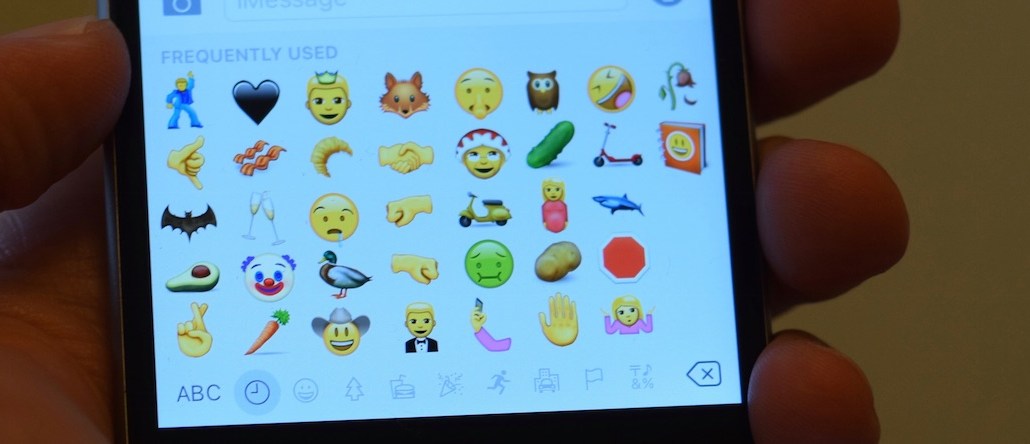
In a nod to brands’ bumbling emoji capers, Publicis-owned agency SapientNitro has released an app that translates voice into emojis, complete with an almost-too-painful-to-watch promo video.
“SpeakEmoji translates grown-up speak into cool emoji messages to help adults engage with their festive little ‘digital natives.’ If kids won’t come to Christmas, maybe we can take Christmas to the kids,” the agency said in a statement.
The gag app is a reference to the often ill-conceived uses of emojis by brands (and the agency’s way of showing that it doesn’t take itself too seriously).
“They are commenting on what brands have been doing all year by maybe using emojis incorrectly or out of context,” said Hannah Beasley, social director at creative agency Iris Worldwide.
Marketers have been playing with emojis with varying degrees of success and sometimes with unintended consequences. Take McDonald’s, whose emoji-filled billboard was hacked by a graffiti artist who added the vomiting-face emoji.
“No one wants to look like a dad at a disco,” Beasley added. “Peppering them through your communications adds a bit of personality, but there’s a disconnect with how they are used in the real world and how brands are trying to use them to their own advantage.”
Still, the app is an example of the colossal spread of emojis that has led the Oxford English Dictionary to crown the emoji as its word of the year.

Professor Vyv Evans of Bangor University has published research finding that emoji is Britain’s fastest-growing language based on its “incredible adoption rate and speed of evolution,” with eight out of 10 people using the symbols to communicate. Perhaps, a more worrying statistic is that 72 percent of 18- to 25-year-olds added that they find using pictures an easier way to get their feelings across than using actual words.
Evans doesn’t think this a problem, though, given that 65-70 percent of meaning is derived by non-linguistic cues like tone of voice and rhythm. And emojis can often let the user communicate faster, more efficiently and with more empathy than written words can.
“All the hand-wringing from the grammar police and popular media of people saying it’s a backwards step is not true — in fact, it is enhancing our ability to communicate,” Evans said.
Still, SapientNitro is seeing out the year with its tongue placed firmly in its cheek. (Alas, there’s no emoji for that.)


More in Marketing

In Graphic Detail: What Apple’s identity block means for the ad money
How Apple’s identity block hits publishers’ wallets, and why Apple can afford it.
Anthropic’s ad bill is soaring, according to IPO filing
Anthropic’s IPO filing shows an ad-free AI company with a fast-growing ad bill.
Salesforce’s $5.7 billion Braze deal puts marketers at an ecosystem crossroads
The deal promises faster, more connected marketing, while raising questions about vendor lock-in and how brands stand out as AI automates campaign execution.