Join us Sept. 14-16 in Miami to connect with top publishing leaders
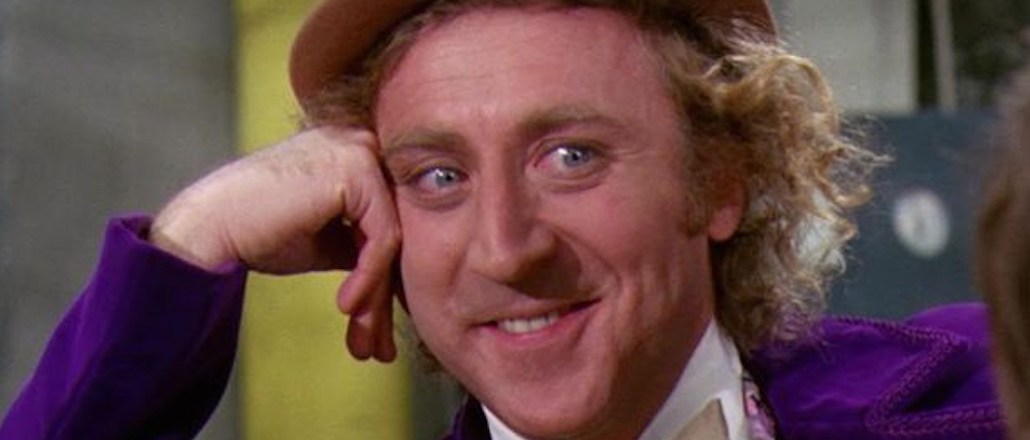
News of actor Gene Wilder’s death hit the Internet yesterday. Since then, tributes to the “Charlie and the Chocolate Factory” star have been pouring in from colleagues, fans and — inevitably — confectionary brands.
During his long career, Wilder was known for many films including the Oscar-nominated “Young Frankenstein” and “Blazing Saddles.” But sweet-toothed brands have been chiming in on Twitter to thank the star for his contributions to, you guessed it, the world of chocolate for his turn as Willy Wonka.
The 90-year-old chocolatier Godiva Chocolates shared a tribute on its U.K. account with its 17,200 followers.
Thank you Gene Wilder for making chocolate truly magical, the original Willy Wonka. pic.twitter.com/xLONa5sBrj
— Godiva Chocolates UK (@GodivaUK) August 29, 2016
A few hours later the Twitter account for U.K. candy brand New Berry Fruits chose “Charlie and the Chocolate Factory” as its film of the day. Smaller brands like candy retailer McMillers Sweets have also chimed in. It RIP’d the actor as the “original Candyman“.
While the tweets have attracted only positive remarks so far, brands who choose to grieve celebrities publicly enter murky territory. There are big risks when it comes to summoning personal tragedy — particularly when your tribute mentions your product in the same breath.
Case in point: Crocs deleted its tribute to the late David Bowie (a shoe overlaid with the singer’s iconic lightning bolt) after Twitter users criticised it as opportunistic. Equally, Cheerios irked Prince fans with an RIP tweet that dotted the “I” with a single Cheerio.
Other messages for Wilder were more personal. DeBrand Fine Chocolates simply wrote that the actor was a childhood inspiration. While Dandelion Chocolate, a bean-to-bar factory in San Francisco, added that it showed Wilder’s 1971 classic every year.
Every holiday season we show a screening of “Willy Wonka”. RIP Gene Wilder. pic.twitter.com/IjhA8uP1ua
— Dandelion Chocolate (@DandelionChoco) August 29, 2016
While the actor is also known for his sarcastic meme, it seems chocolate makers are sharing tributes without any irony — be they good and bad.
Image: Paramount Pictures


More in Marketing

Future of Marketing: Brands want creators who can win over humans and machines at once
Why creator briefs are starting to look like a map of AI search queries.
Ace Hardware adds weather-triggered programmatic ads to retail media strategy
Almost one year into its existence, Ace Hardware’s retail media network, RedVest Media, just announced a slate of new features for advertisers as part of an upfront event last week.

How every major platform pays creators
Every platform monetizes creators differently, with varying requirements and audience thresholds, and a propensity for change.