Secure your place at the Digiday Publishing Summit in Vail, March 23-25
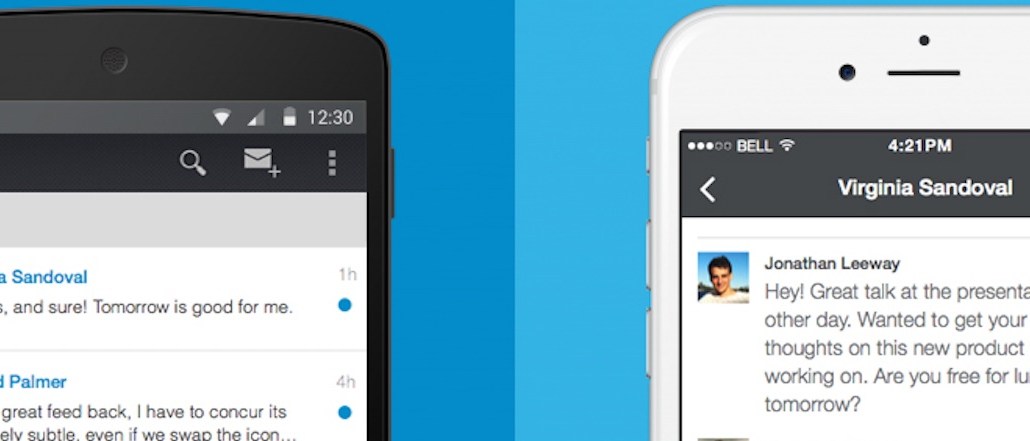
LinkedIn’s miserable messaging tool is getting an upgrade.
Users griped about the clunky and confusing interface that made it difficult to tell if messages were responded to, bugs preventing notes from being sent and an overall ugly experience.
That’s about to change with a top-to-bottom redesign that even the social network admits is a long time coming. “The wait is over,” LinkedIn said on its blog today announcing the changes, with the word “finally!” in the post’s title.
Users will eventually see a new messaging feature that resembles Facebook Messenger’s desktop version. Messages are designed in a “chat-style interface,” making it easier to organize, and LinkedIn revamped its pesky email notifications to alert people when they have new messages.
Of course, what would a messaging tool would be without the ability to express emotions in GIFs, emojis and stickers, which are now supported. The new interface will start rolling out today to desktop, iOS and Android users.
Here’s what the new version looks like:

For future iterations, LinkedIn appears to be taking a page from Gmail, with new tools including “intelligent messaging assistants that can help suggest people you should message.”
LinkedIn also hinted that it’s experimenting with video-to-video conversations, which could possibly make it a worthwhile competitor to Facebook Messenger or Google Hangouts.
Private messaging has been area social networks have been focusing on lately. Twitter recently dropped the 140-character limit on Direct Messages, Facebook is rolling out a “virtual text assistant in Messenger and Google christened Hangouts with a new look for desktop users.
Image courtesy of LinkedIn.


More in Media

In graphic detail: Middle-tier creators are fueling the next phase of the creator economy
Facts and figures behind the growing middle tier of creators who make less than macro creators, but convert more.

How medical creator Nick Norwitz grew his Substack paid subscribers from 900 to 5,200 within 8 months
Creator Playbook: Unpacking the strategy behind medical YouTuber Nick Norwitz turning to Substack to significantly grow his brand.

Media Briefing: In the AI era, subscribers are the real prize — and the Telegraph proves it
In an era where AI is eroding referral traffic and third-party distribution, a subscriber who pays directly has become the most valuable reader a publisher can own. Springer just bought over a million of them.