Join us Dec. 1-3 in Nashville for the Digiday Programmatic Marketing Summit
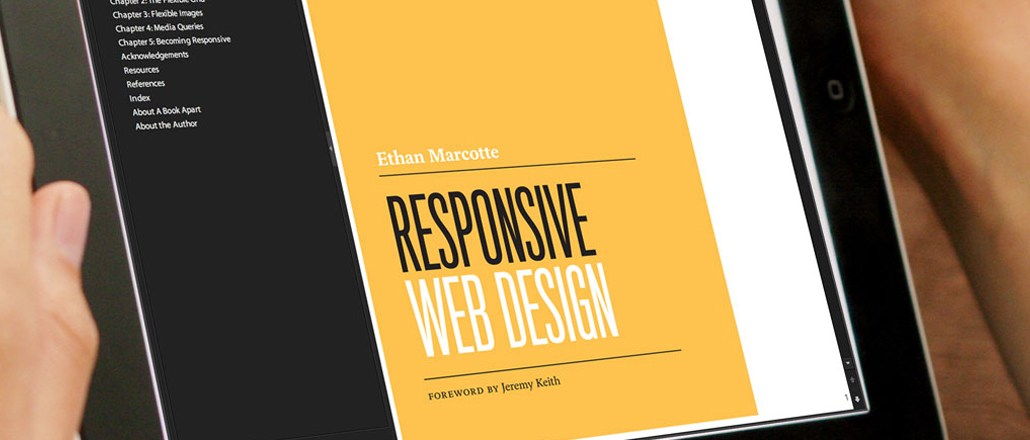
Responsive design has rapidly gone from being an esoteric buzzword to table stakes for publishers rolling out redesigns. But it also comes with its share of snags.
In the last few years publisher’s referral traffic has split between desktop and mobile. Responsive design emerged as an effective way to address the shift: By taking one design and scaling it to readers’ screen size, publishers have been able to optimize their sites for mobile while not creating entirely new mobile sites from scratch. It’s also theoretically good for readers, who get a consistent experience across devices. But that approach, while attractive, has its drawbacks not just for websites, but their visitors as well.
“Responsive has a certain ‘wow’ factor to it,” said Chris Balmes senior information architect at Blue Fountain Media. “It’s a smart approach broadly, but its case-dependent on whether it always make sense.”
In other words, one-size-fits-all has its limitations. While responsive design makes it easy for sites to port a desktop design to mobile (or vice-versa) it doesn’t address the reality that visitors often have different expectations depending on whether they’re visiting on desktop or mobile. A mobile experience that’s also a desktop experience is essentially neither.
“If your mobile readers are looking for content that’s slightly different from what you have on your desktop site and all you do is shrink everything down, you may miss the mark,” said Dan Saltzman, director of user experience at EffectiveUI.
Page performance is also a concern with responsive design. While mobile versions of responsive sites only display a subset of the page content, there’s still a lot of behind-the-scenes work going on that slows down page loading times. That can kill the user experience, and make readers think twice before coming back.
Publishers aren’t in agreement as to which approach makes the most sense. While recent redesigns from ESPN, Bloomberg and CNN are all responsive, the paradigm still has some high-profile detractors, including The New York Times, which has stuck with a dedicated mobile site, and, more notoriously, Mail Online, which forces visitors to pinch and zoom their way through celebrity news.
“Responsive lets publishers approach mobile, tablets and desktops as similar products but they’re also very distinct, Balmes said. “You need to have an overall website strategy but also a device-specific strategy.”
Saltzman said that while publishers are flocking to responsive sites, most should consider whether doing so actually makes sense for their readership and business model. Likewise, creating a fully responsive site requires more time and money upfront, which also influences the decision. “Understanding the audience use case is more important than ever with this. That’s really what’s going to drive whether you go responsive or create a separate experience,” he said.
Dan Maccarone, co-founder of Charming Robot, said that, despite responsive’s limitations, it’s still the most viable approach for content sites, whose use case tends to be identical on both desktop and mobile. “I’m pro-responsive for content — no question,” he said. “It’s a simple consumption experience. You’re not really creating so many different layouts that it makes sense to code things two different times.”


More in Media

Creators say it’s difficult to make money from news — with platform rules and brand guidelines
With more people getting news from creators than traditional media, those creators are still trying to build sustainable businesses.

Why CNN International is building for agentic ad market that barely exists yet
CNN International is still chasing its first agent-sold dollar by Q1.

Media Briefing: The transatlantic push to rein in stealth bots is gathering pace
U.S. and U.K. publishers are pushing for laws to crack down on stealth AI crawlers as bot scraping surges and demands for transparency grow.